Profil de référence pour une branche de lignée. Des haplogroupes partagés n'établissent pas de lien familial ni d'identité culturelle.
Profil de référence
Contexte de la branche
Contexte historique de la branche de lignée mtDNA M
Origins and Evolution
mtDNA haplogroup M is a primary non-African maternal lineage that branches from African-derived haplogroup L3 shortly after the Out-of-Africa dispersal. Most population-genetic and phylogenetic analyses place the origin of M roughly between 50–70 kya, with many estimates clustering around ~55–65 kya, consistent with an early Upper Paleolithic coastal or near-coastal expansion into South and Southeast Asia. M diversified rapidly into numerous regional sublineages as modern humans spread across Asia and into Oceania.
Subclades
Haplogroup M contains many major downstream clades that have distinct geographic and historical signatures. Important descendant lineages include (but are not limited to): C, D, E, G, Z, M1, F-derived clusters, and numerous South and Southeast Asian-specific M branches. Some of these (e.g., C and D) are prominent in northern Eurasia and the Americas, whereas M1 is notable for its presence in North Africa and is generally interpreted as a Paleolithic back-migration into Africa. Other M subclades are highly diverse and endemic to South Asia, the Andaman Islands, Island Southeast Asia, and Near Oceania.
Geographical Distribution
Haplogroup M and its derivatives are widespread across Asia and Oceania with varying frequencies: very high diversity and frequency in South Asia and parts of Southeast Asia, high frequencies in many indigenous populations of Oceania (including Papuans and Aboriginal Australians), substantial representation across East Asia (through certain M subclades), and presence in the Americas through descendant clades (notably C and D). A localized presence of M1 in North Africa reflects prehistoric back-migration events. In western Eurasia M is generally rare except for specific regional introductions and recent gene flow.
Historical and Cultural Significance
Because M diversified early after the Out-of-Africa dispersal, it marks some of the earliest human expansions into South and Southeast Asia and the colonization of Near Oceania and Australia. Several M subclades trace migrations associated with the coastal dispersal model, and later M lineages were carried during the Austronesian expansion into Island Southeast Asia and Oceania. The presence of M-derived lineages (C and D) among Native American populations also links M to the founding maternal ancestry of many indigenous peoples of the Americas.
Conclusion
mtDNA haplogroup M is a foundational non-African maternal lineage whose deep time depth and widespread diversification make it central to reconstructing early modern human migrations across Asia, Oceania, and into the Americas. Its many regional subclades record both Pleistocene dispersals and later Holocene demographic events, and continued sampling and ancient DNA studies keep refining its internal phylogeny and geographic history.
Points clés
Origins and Evolution
Subclades
Geographical Distribution
Historical and Cultural Significance
Conclusion
Profil de référence
Arbre et relations
Contexte phylogénétique et sous-clades
Voie évolutive
Suivez les branches parentes consignées jusqu'à M. Les dates sont des estimations et peuvent évoluer lorsque les données de référence sont révisées.
The populations where mtDNA haplogroup M is found include:
Indigenous Australians (Aboriginal groups)
Papuan and Melanesian populations
Andaman Islanders (Onge, Jarawa and related groups)
South Asian populations (Dravidian and Indo-Aryan groups across India, Pakistan, Sri Lanka)
East Asian populations (Han Chinese, Japanese, Korean and other East Asian groups via specific M subclades)
Southeast Asian populations (Austroasiatic, Tai-Kadai, Austronesian groups)
Native American groups (founding lineages such as haplogroups C and D derived from M)
Central Asian and Siberian populations (various M-derived clades)
North African populations (primarily M1 in Berber, Egyptian and neighboring groups)
Himalayan/Tibetan and highland populations of South-Central Asia
Contexte historique
Une branche dans le temps
Formation estimée sur une chronologie historique large. Les repères de période servent de contexte et n'impliquent pas de lien avec des cultures particulières.
Il y a ~70k ans
Sortie d'Afrique
Grande migration des humains modernes hors d'Afrique
Il y a ~60k ans
Haplogroupe M
Formation estimée de cette branche mtDNA ; les dates et les lieux sont des estimations de référence.
Cette branche
Il y a ~50k ans
Paléolithique supérieur
Outils avancés, art et essor culturel
Il y a ~20k ans
Dernier maximum glaciaire
Apogée de la dernière période glaciaire, populations isolées
Il y a ~10k ans
Révolution néolithique
Début de l'agriculture et émergence de communautés sédentaires
Il y a ~5k ans
Âge du bronze
Travail des métaux, écriture et premières civilisations
Il y a ~3k ans
Âge du fer
Outils en fer, réseaux d'échanges élargis
Il y a ~2.5k ans
Antiquité classique
Floraison des civilisations grecque et romaine
Aujourd'hui
Aujourd'hui
Époque moderne
Profil de référence
Contexte archéologique
Associations archéologiques consignées pour la branche mtDNA M
Associations consignées
Ces libellés décrivent des contextes archéologiques consignés pour des échantillons de référence liés à M. Une association n'établit pas que tous les porteurs appartenaient à une culture ni qu'ils ont suivi une route migratoire précise.
Les attributions culturelles reposent sur le contexte archéologique des échantillons d'ADN ancien et peuvent refléter des associations régionales à certaines périodes.
Profil de référence
Catalogue d'échantillons
13 porteurs directs et 28 porteurs de sous-clade de l'haplogroupe M
10 affiché(s) · 41 échantillons correspondants
Aucun échantillon ne correspond à ces filtres. Essayez un autre libellé, lieu ou période.
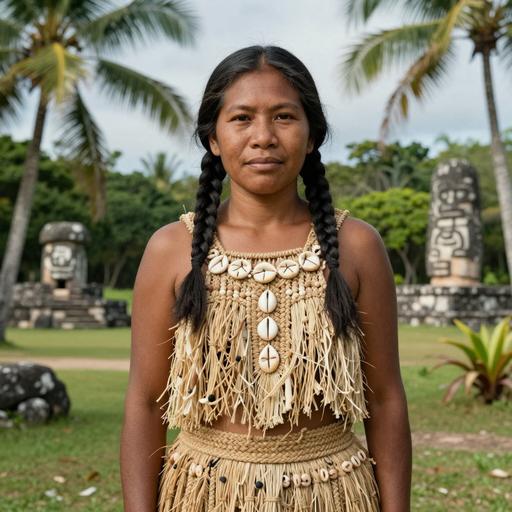
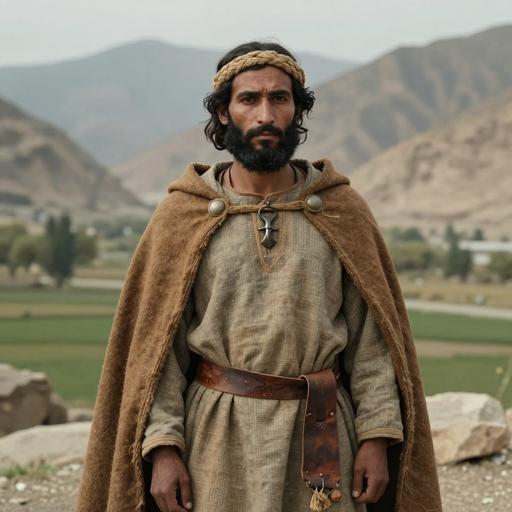
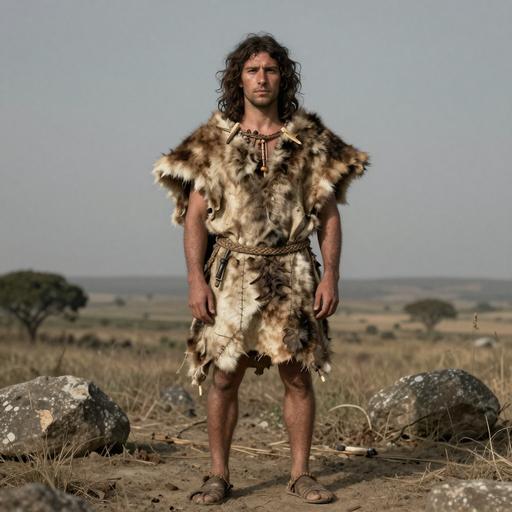
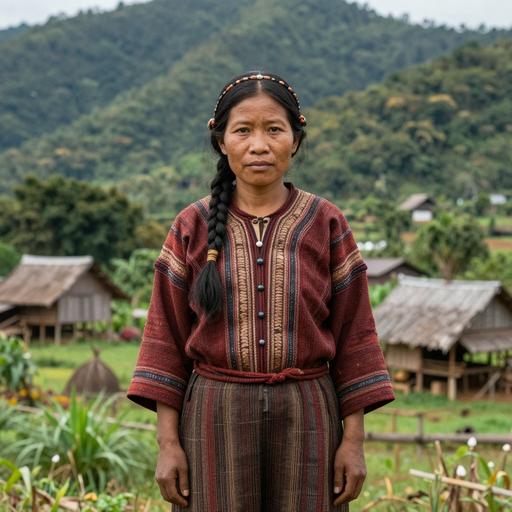
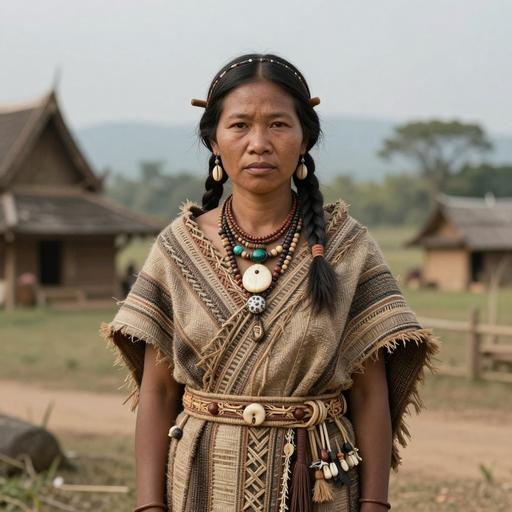
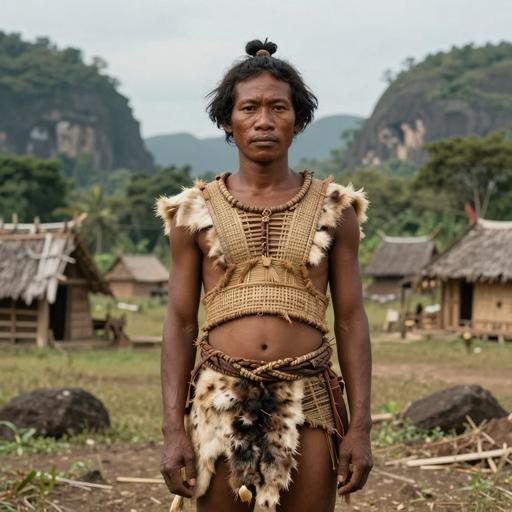
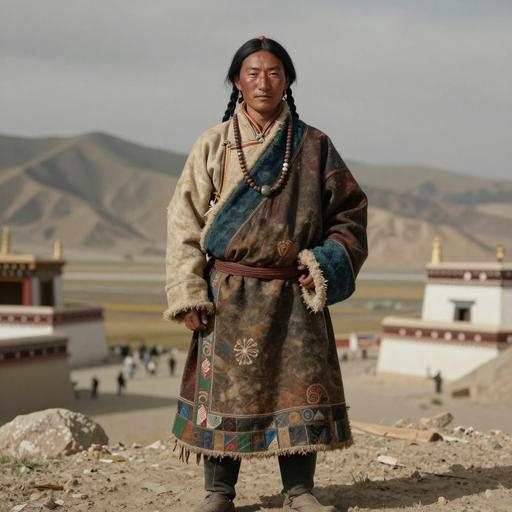
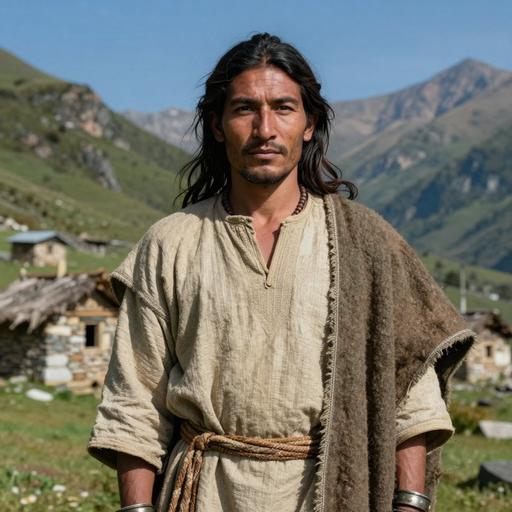
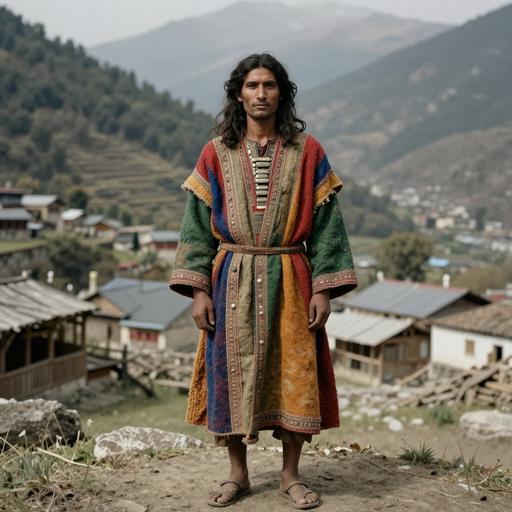
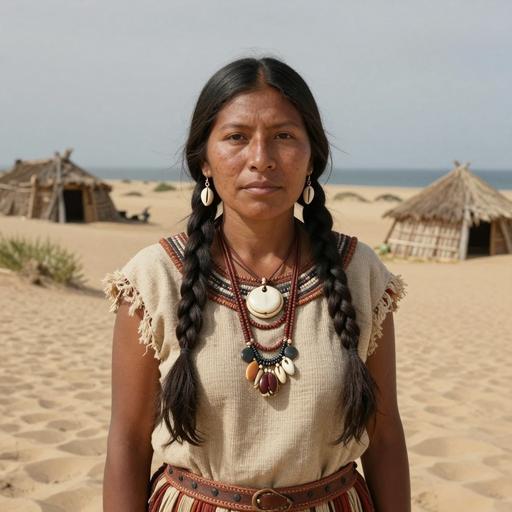
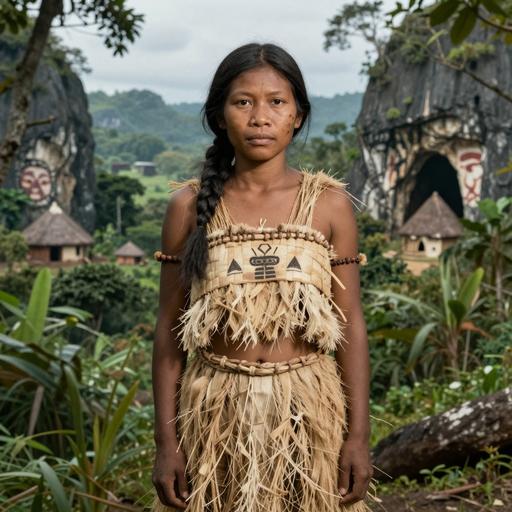
Les portraits sont des illustrations générées par IA. Les libellés d'échantillon et identifiants d'accès désignent les enregistrements de référence.
Portrait
Échantillon
Pays
Époque
Date
Culture
mtDNA
Correspondance
Identifiant d'échantillon : R67
Italy
Imperial Rome
100-300 CE
Roman Empire
M
Direct
Identifiant d'échantillon : I0575
Russia
Iron Age Early Sarmatian, Russia
400-200 BCE
Early Sarmatian Culture
M
Direct
Identifiant d'échantillon : I4458
Thailand
Thailand BA
777 BCE - 547 BCE
Thai Bronze Age
M
Direct
Identifiant d'échantillon : I4458
Thailand
Thailand BA
777 BCE - 547 BCE
Thai Bronze Age
M
Direct
Identifiant d'échantillon : I18447
Guam
Guam LateUnai
791-555 calBCE (2535±20 BP, PSUAMS-8976)
Unai Culture
M
Direct
Identifiant d'échantillon : I12444
Pakistan
The Pakistan Katelai Iron Age Culture
1000-800 BCE
Katelai Culture
M
Direct
Identifiant d'échantillon : I1985
Pakistan
Udegram Iron Age Fortified Settlement in Swat Valley, Pakistan
China Guangxi Baojianshan Neolithic - China - Guangxi. Chongzuo City. Longzhou County. Baojianshan Cave A
China China Guangxi Baojianshan Neolithic 6400-4400 BCE
M75Sous-clade
Identifiant d'échantillon : Baojianshan5_M2
China Guangxi Baojianshan Neolithic - China - Guangxi. Chongzuo City. Longzhou County. Baojianshan Cave A
China China Guangxi Baojianshan Neolithic 6400-4400 BCE
M75Sous-clade
Identifiant d'échantillon : Longlin_1
Epipaleolithic Guangxi Longlin, China - China - Guangxi. Longlin Cave
China Epipaleolithic Guangxi Longlin, China 9853-9319 calBCE (10014±64 BP)
M71Sous-clade
Identifiant d'échantillon : MZR
Red Deer Cave People - China - Red Deer Cave (Maludong) (Yunnan)
China Red Deer Cave People 16120 BCE - 11215 BCE
M9Sous-clade
LIGNÉE MATERNELLE · ADN ANTIQUE
Carte des preuves de lignées antiques
Suivez les clades parents jusqu'à cette branche et explorez où des porteurs antiques ont été identifiés.
Chargement des observations antiques…
La réduction des animations est activée. Utilisez la chronologie ou Tout afficher pour explorer à votre rythme.
Lire les observations sous forme de tableau
Observations antiques affichées par branche, période et date médiane
Branche
Période
Plage de dates
Échantillon
Identifiant d'échantillon
Emplacement
Haplogroupe
Relation
Les marqueurs indiquent des lieux de découvertes archéologiques. Un trait pointillé représente une transition géographique proposée et incertaine entre branches consécutives, appuyée sur plusieurs observations datées ; ce n'est pas un itinéraire exact, un lieu de naissance ni une preuve de descendance directe. Des échantillons de clades parents peuvent appartenir à d'autres branches descendantes. Des lacunes subsistent lorsque les preuves sont insuffisantes. Les dates d'échantillon diffèrent des dates de formation des haplogroupes.
Le regroupement par période historique reflète quand chaque individu antique a vécu, en combinant toutes les branches de cette chaîne de lignée ; ce n'est pas une séquence migratoire ni une chronologie personnelle entre périodes.
Profil de référence
Carte de répartition des porteurs
Répartition géographique de 41 échantillons d'ADN ancien (porteurs directs et de sous-clade de M)
Porteur direct Porteur de sous-clade
Filtre de période
Toutes les périodes
Affichage de tous les échantillons
Profil de référence
Répartition temporelle
Répartition des porteurs selon les périodes archéologiques
Profil de référence
Répartition géographique
Effectifs par pays d'échantillon consigné. Ils reflètent la sélection de référence disponible, pas des fréquences de population.
Profil de référence
Répartition pays × époque
Comparez les effectifs d'échantillons consignés selon les pays et les périodes archéologiques. Sélectionnez une cellule renseignée pour examiner un échantillon.
Données
Données et provenance
Informations sur les sources et qualité des données
Dernière mise à jour2026-02-09
Source des données
La classification, les dates estimées et le contexte géographique reflètent les données de référence consignées et peuvent évoluer lorsque les éléments sont révisés. La couverture d'échantillons est inégale ; les lieux consignés et les associations archéologiques n'établissent pas une origine personnelle ni une identité culturelle.