



Understanding G25 Coordinates in DNA Ancestry Analysis
G25 coordinates provide a compact, multidimensional view of how your DNA sits relative to reference populations in genetic space. Learn how they work, how to interpret distances, and why they are exploratory tools—not definitive ancestry labels.
DNA Test Showdown: 23andMe, AncestryDNA, FTDNA, MyHeritage
Compare four leading consumer DNA tests, learn how they work, and discover how uploading your raw DNA to DNAGENICS unlocks 500+ ancestry reports and traits.
Understanding Genetic Traits and Ancestry in Your DNA
Explore how genetic traits shape who we are, how they connect to ancestry, and why environment matters alongside DNA. A balanced, accessible guide for all readers.
Latin America’s Uneven Genetic Legacy After 1492
Explore how Y-chromosome and mitochondrial DNA reveal a striking paternal and maternal split in Latin America, with the Andes showing the strongest Native American continuity.
Ancient DNA Reveals the Avar Woman Who Looked East
New ancient DNA from a Kunpeszér burial shows the earliest Avar elite in Hungary carried strong Northeast Asian ancestry, reshaping ideas about migration and identity.
Who Were the Guanches? Ancient DNA Reveals Their Origins
Ancient DNA shows the Guanches were North African Berbers who settled the Canary Islands around the 3rd century AD, lived in isolation, and shaped today’s Canarians.

Why Paraguay Speaks Guarani: DNA, History, and Identity
Explore why Guarani remains Paraguay’s everyday language, and how history, household structure, and DNA reveal a uniquely maternal Indigenous legacy.
The DNA of Attila's Empire, Who Were the Huns?
Ancient DNA reveals a complex Hun story, a small elite with Xiongnu-linked ancestry, and a largely European population in Attila's realm.
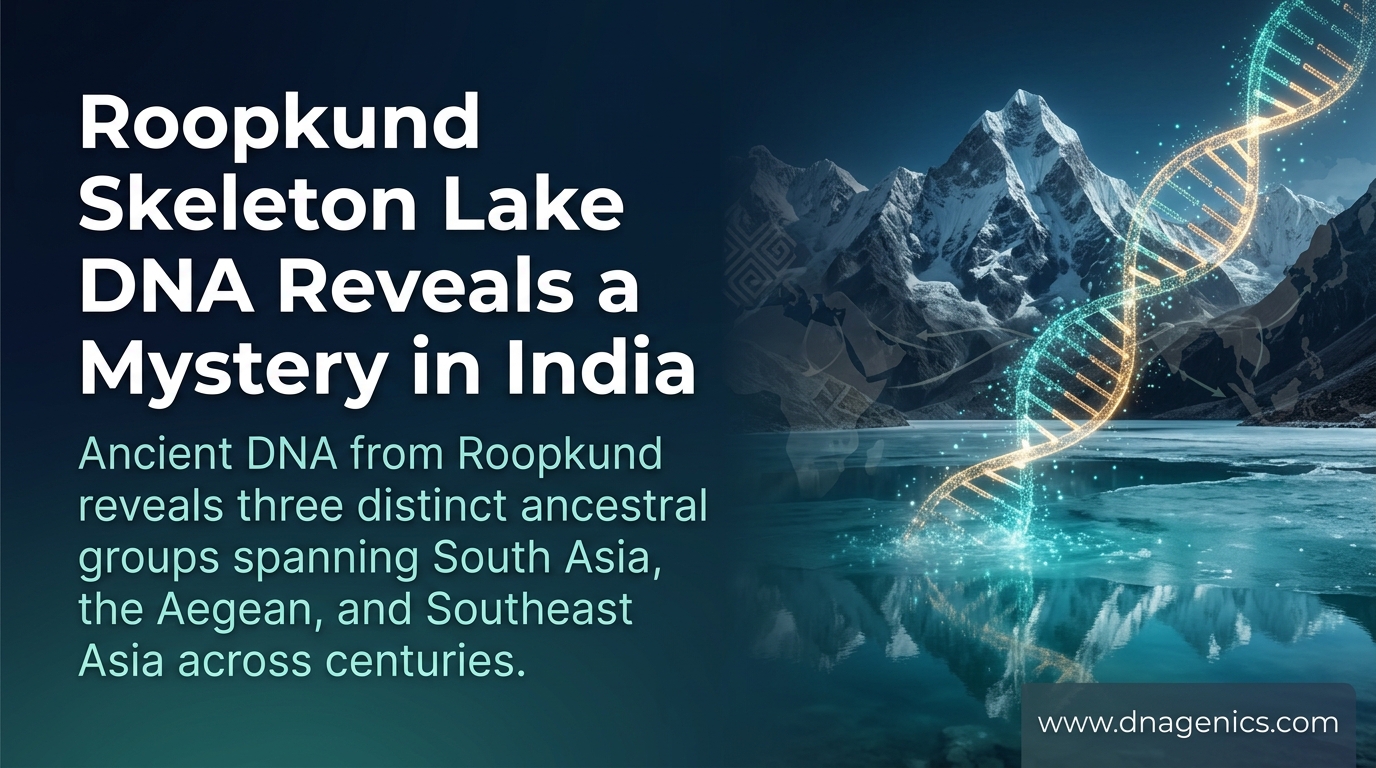
Roopkund Skeleton Lake DNA Reveals a Mystery in India
Ancient DNA from Roopkund, the Skeleton Lake, shows at least three groups of people, spanning South Asia, the Aegean, and Southeast Asia, across centuries.
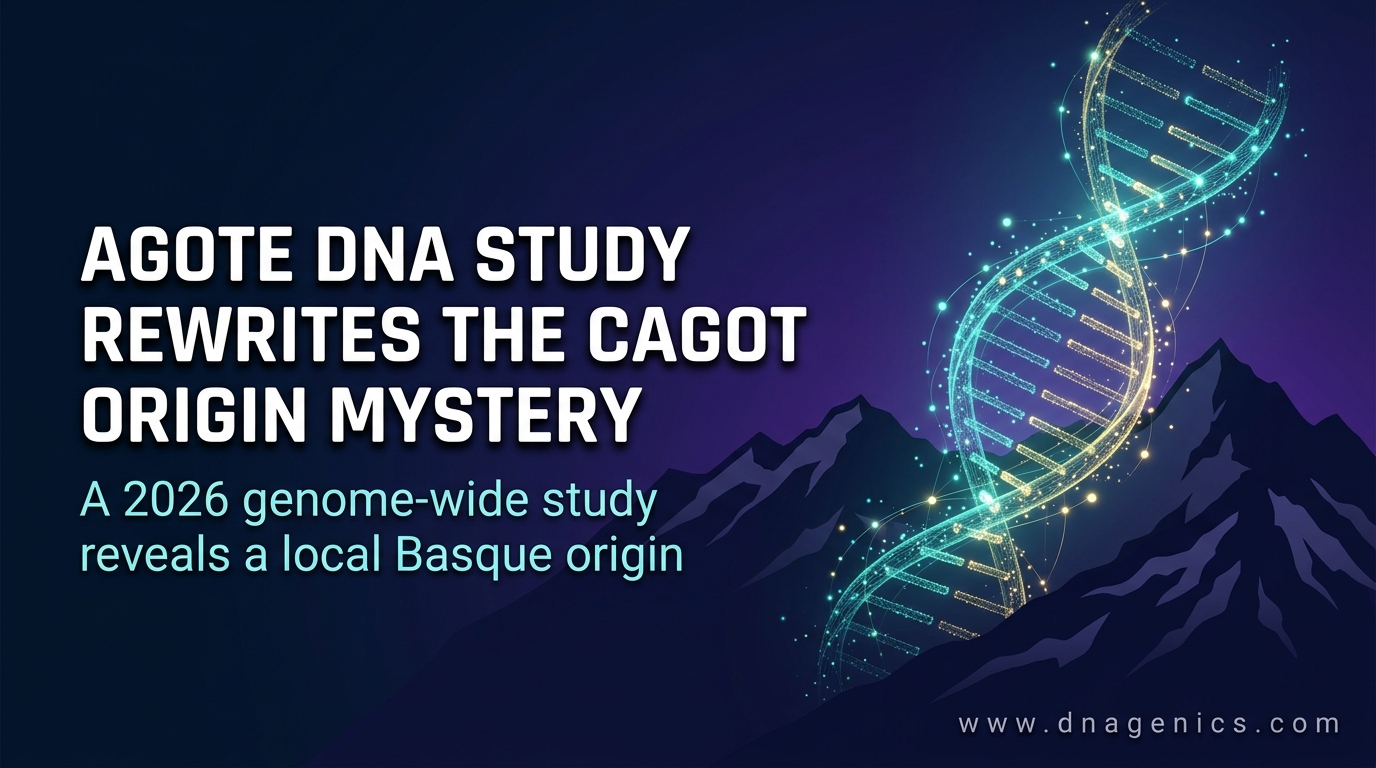
Agote DNA Study Rewrites the Cagot Origin Mystery
A 2026 genome-wide study reveals the Agotes had a local Basque origin, challenging centuries of theories about this stigmatized Pyrenean community.