

FRA009 and North African DNA in Early Medieval Gaul
A 5th-century burial in Angers reveals rare North African ancestry in early medieval France, showing how DNA and migration shaped post-Roman Europe.


A 5th-century burial in Angers reveals rare North African ancestry in early medieval France, showing how DNA and migration shaped post-Roman Europe.
Explore 8,000 years of Iberian DNA, from hunter-gatherers and Steppe migrations to Roman, Visigothic, and North African ancestry in modern Spain and Portugal.
Ancient DNA from Roman frontier cemeteries and Merovingian burials reveals migration, admixture, and continuity across northern Europe.
Ancient DNA is reshaping what we know about the Scythians, revealing a diverse steppe network shaped by migration, mixing, and regional ancestry.
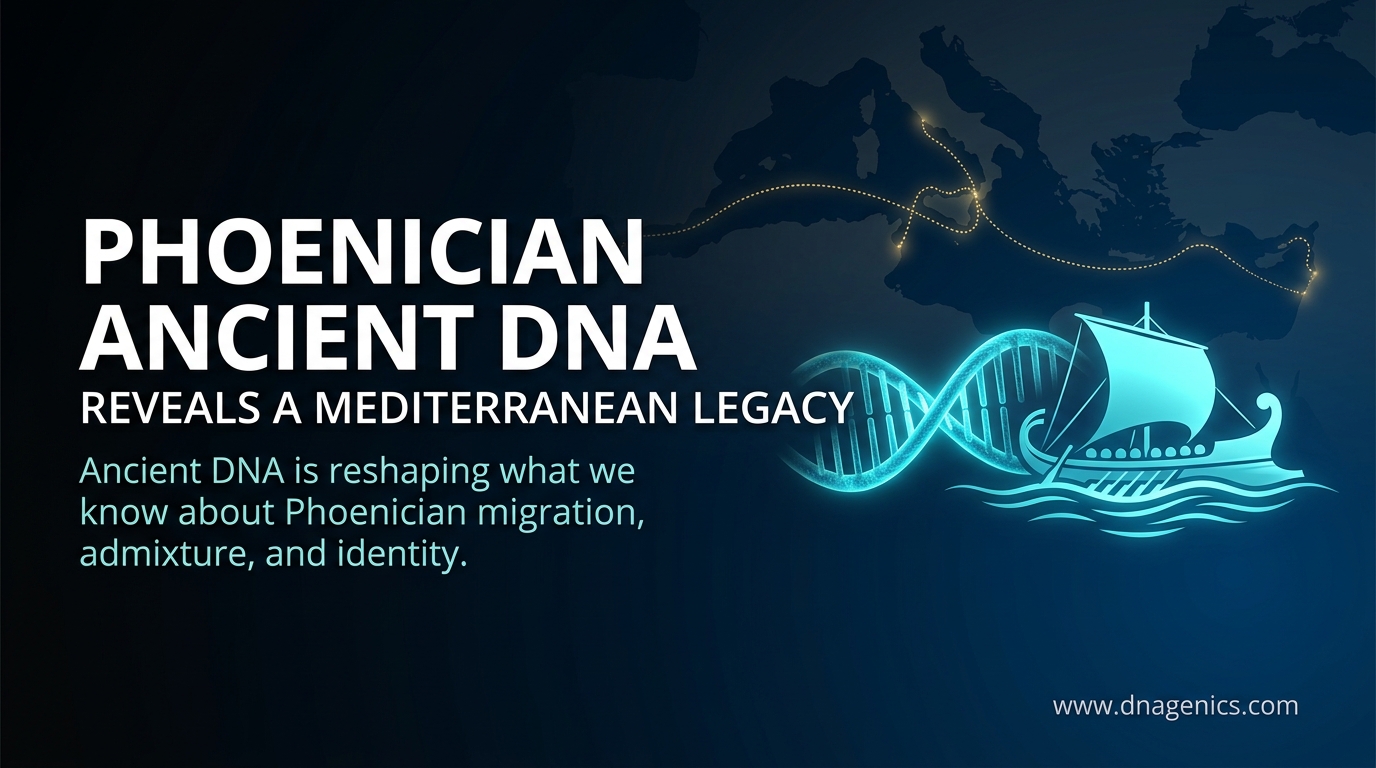
Ancient DNA is reshaping what we know about Phoenician migration, admixture, and identity, from the Levant to Carthage, Iberia, and beyond.
Explore 9,000 years of France DNA history, from Western Hunter-Gatherers to Franks and Vikings, through ancient DNA, migration, and population genetics.
Ancient DNA from medieval Jews in Germany and England shows a strong Levantine core, later shaped by European admixture, revealing long genetic continuity.
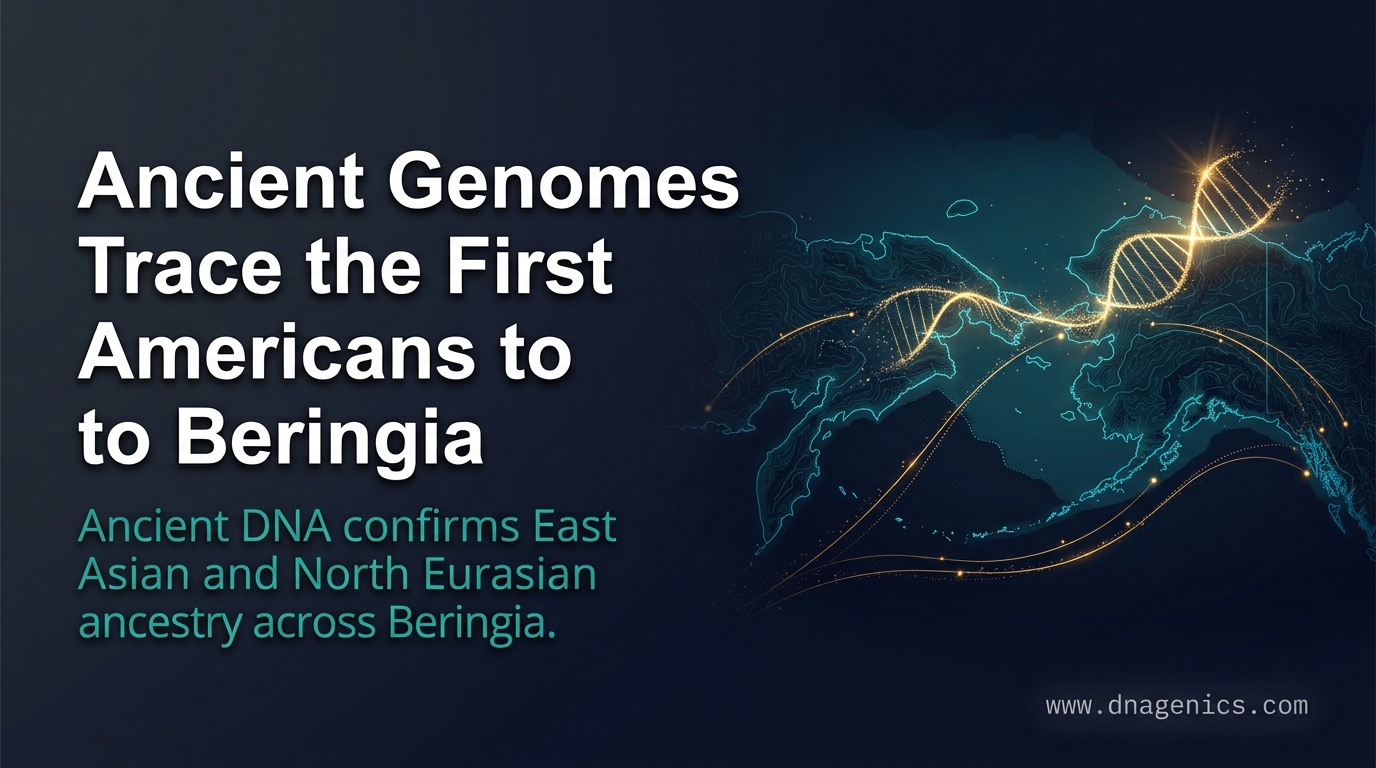
Ancient DNA and population genetics confirm the first Americans carried East Asian and Ancient North Eurasian ancestry across Beringia.
Ancient DNA, isotopes, and archaeology reveal close ties between Iron Age Britain and northern France, reshaping how we understand the Durotriges and Celtic migration.
Ancient DNA is reshaping what we know about R1b-L21, showing this major Western European haplogroup was present across Iron Age Celtic Europe, not just the British Isles.
Ancient DNA from a colonial grave in Mexico City uncovers African origins, health conditions, and the hidden ancestry history of early New Spain.
Ancient DNA reveals how Iceland was founded by Norse men and Gaelic women, and what that sex-biased mix means for modern ancestry and haplogroups.