

Guanches, Ancient DNA, and the Atlantis Myth
Ancient DNA shows the Guanches were Amazigh settlers from Northwest Africa, not Atlanteans, and reveals how conquest reshaped Canary Islands ancestry.


Imported from WordPress: DNA>Genetic history
Ancient DNA shows the Guanches were Amazigh settlers from Northwest Africa, not Atlanteans, and reveals how conquest reshaped Canary Islands ancestry.
Ancient DNA from Roman and early medieval Britain reveals African, Mediterranean, and northern European ancestry, showing how connected the island truly was.
Explore five ancestry case studies showing how language shift can outpace DNA change, from France to North Africa, using PCA and ancient DNA evidence.
Discover how Udmurt DNA, haplogroups, red hair genetics, and ancient migration shaped a unique Finno-Ugric population between Europe and Siberia.
Explore how lactose tolerance and light skin evolved through natural selection, migration, and ancient DNA, and what these traits reveal about ancestry today.
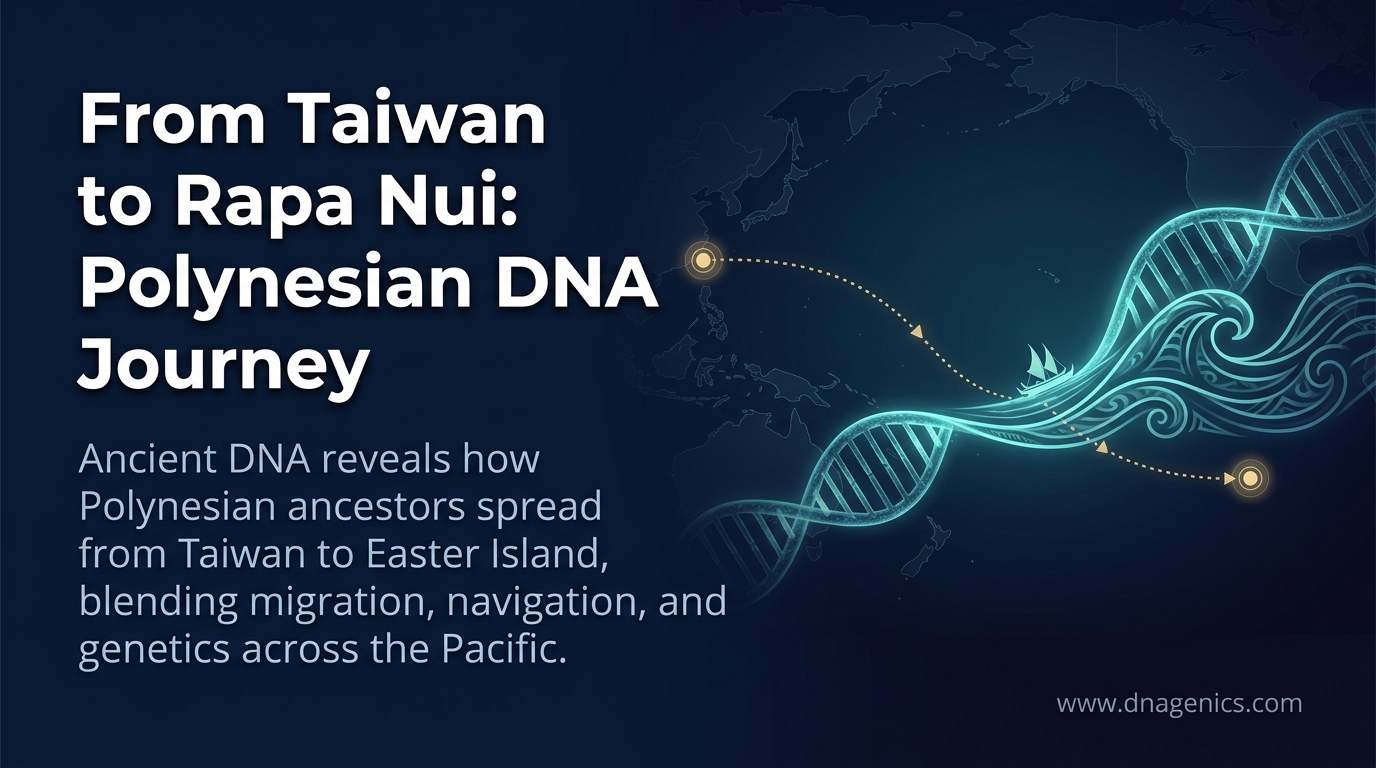
Ancient DNA reveals how Polynesian ancestors spread from Taiwan to Easter Island, blending migration, navigation, and population genetics across the Pacific.
Ancient DNA is reshaping what we know about Slavic origins, highlighting key haplogroups, migration patterns, and the late emergence of the Slavic genetic profile.
Ancient DNA reveals that Bavaria’s elongated-skull women were migrants from the Balkans and Danube region, not local Bavarians, reshaping Migration Period history.
New Y-DNA evidence links modern Normans and Channel Islanders to Viking Age Scandinavia, revealing how migration, haplogroups, and ancient DNA preserve history.
Ancient DNA and G25 models reveal how Bell Beaker populations reshaped Western Europe, from Britain to Iberia, through migration, replacement, and mixing.
Explore how ancient DNA, haplogroups, and migration shaped French ancestry from Mesolithic hunter-gatherers to medieval regional structure.
Explore how ancient DNA reveals layered Middle Eastern ancestry in North Africa, from Neolithic migrations to Bedouin and Phoenician-era signals.