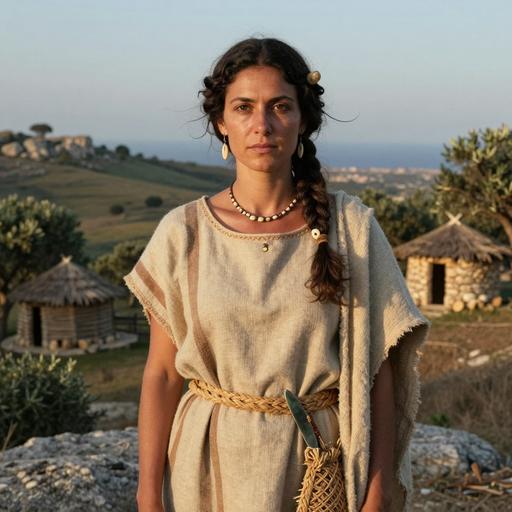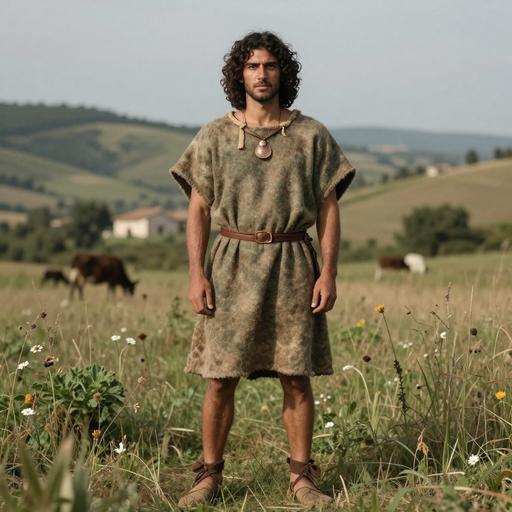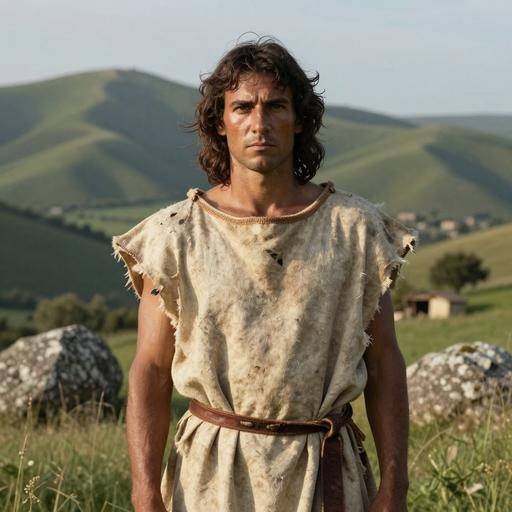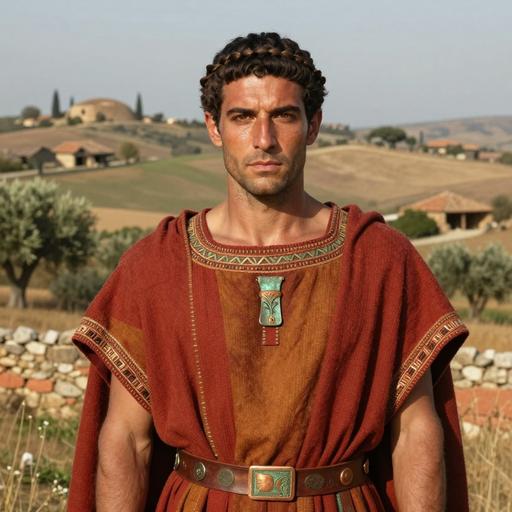
The Story of Ancient Italy
Long before Rome, before the Etruscans, before the written word reached these shores— humans had already called this land home for millennia.
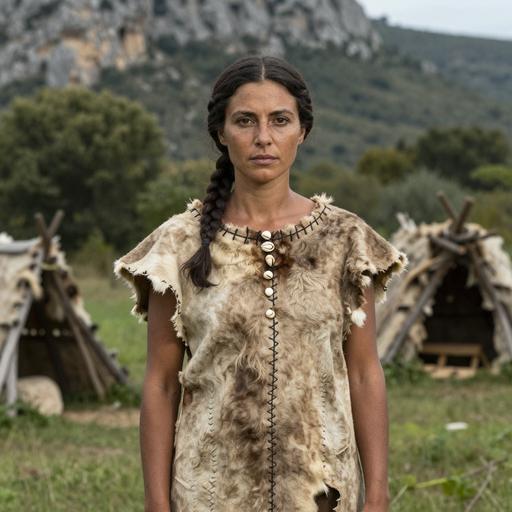
The first Italians were Paleolithic hunter-gatherers, roaming the valleys of what is now Italy, leaving their traces in caves and shelters from the Alps to Sicily. They were joined by Neolithic farmers who brought agriculture and new traditions, establishing settlements from the Po Valley to the Stentinello culture of Sicily.
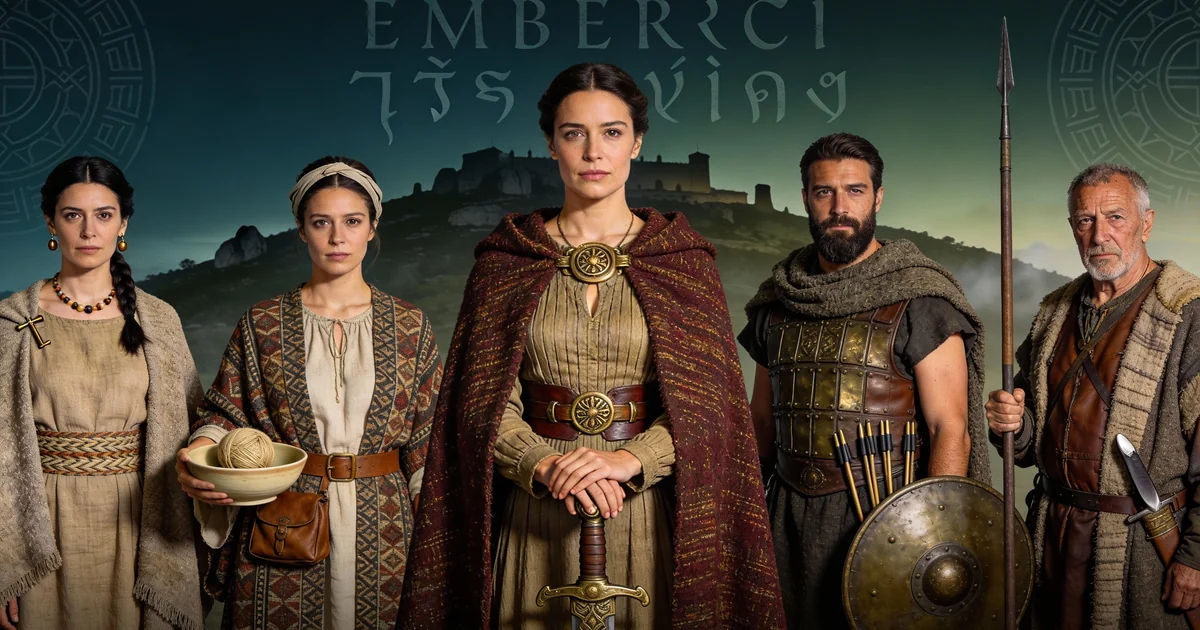
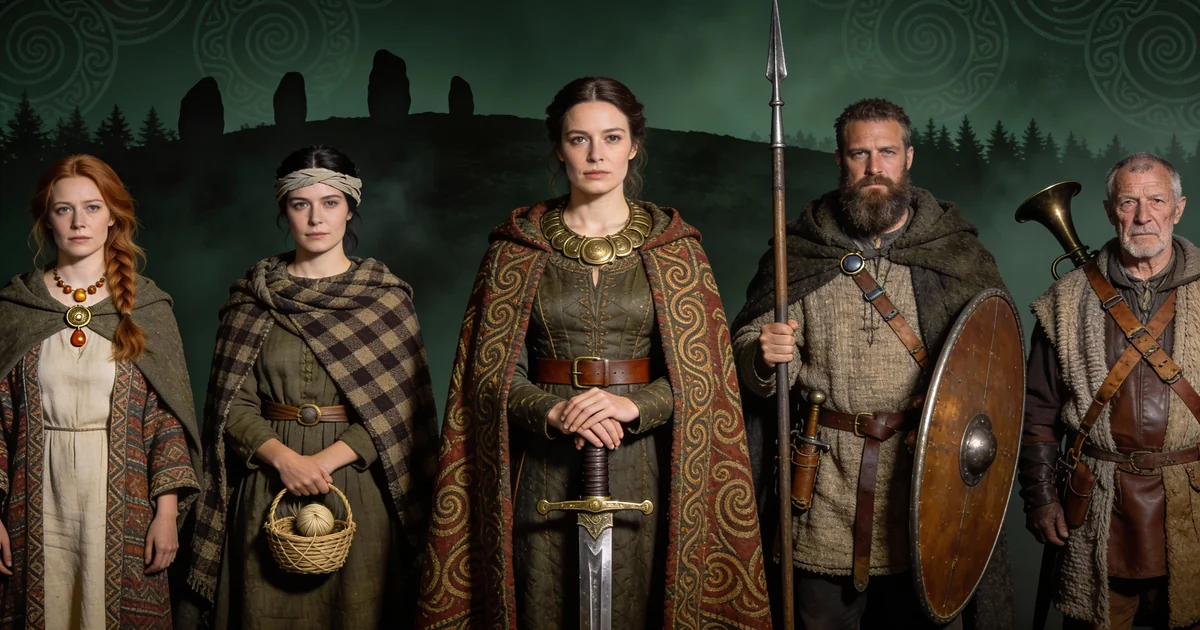
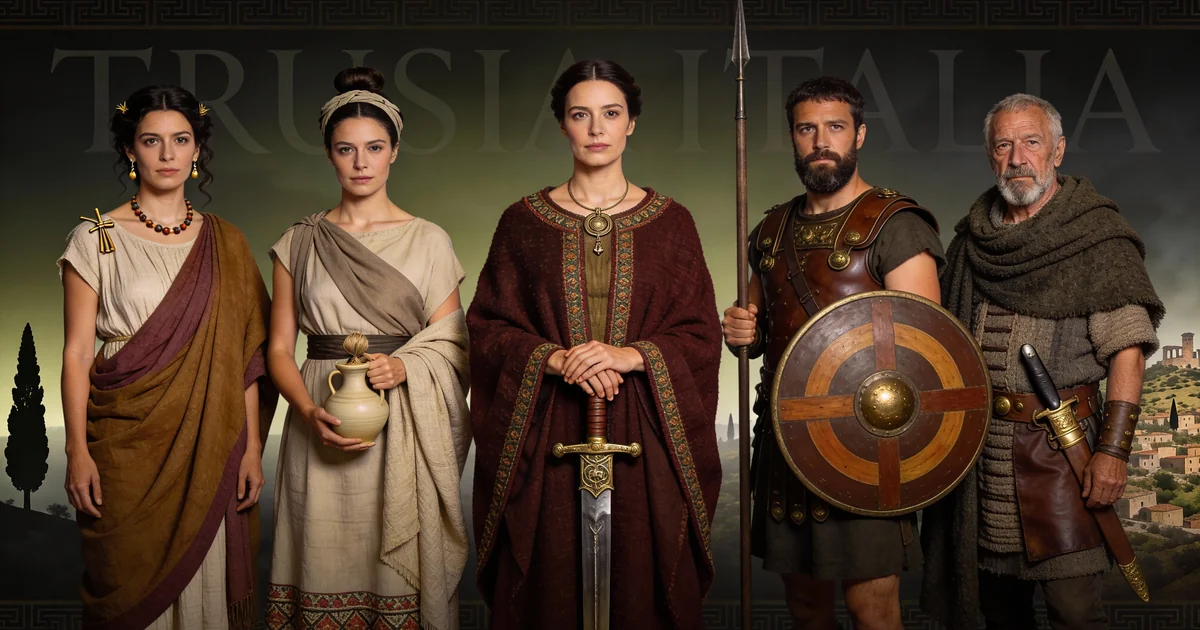
Then came the Chalcolithic and Bronze Age—Bell Beaker migrations, Remedello culture, and the Nuragic civilization in Sardinia reshaped the genetic landscape. The Iron Age saw the rise of the mysterious Etruscans in central Italy, masters of art and metallurgy.
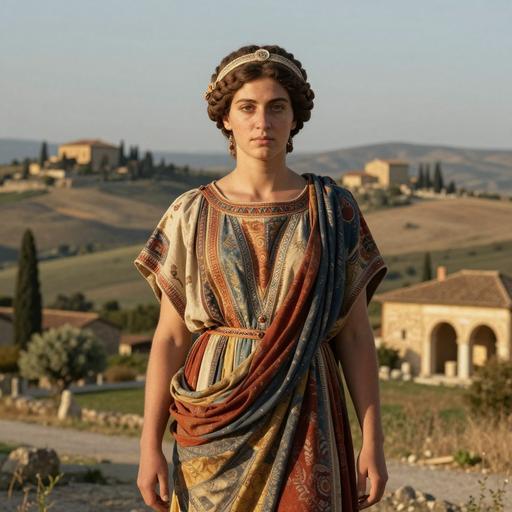
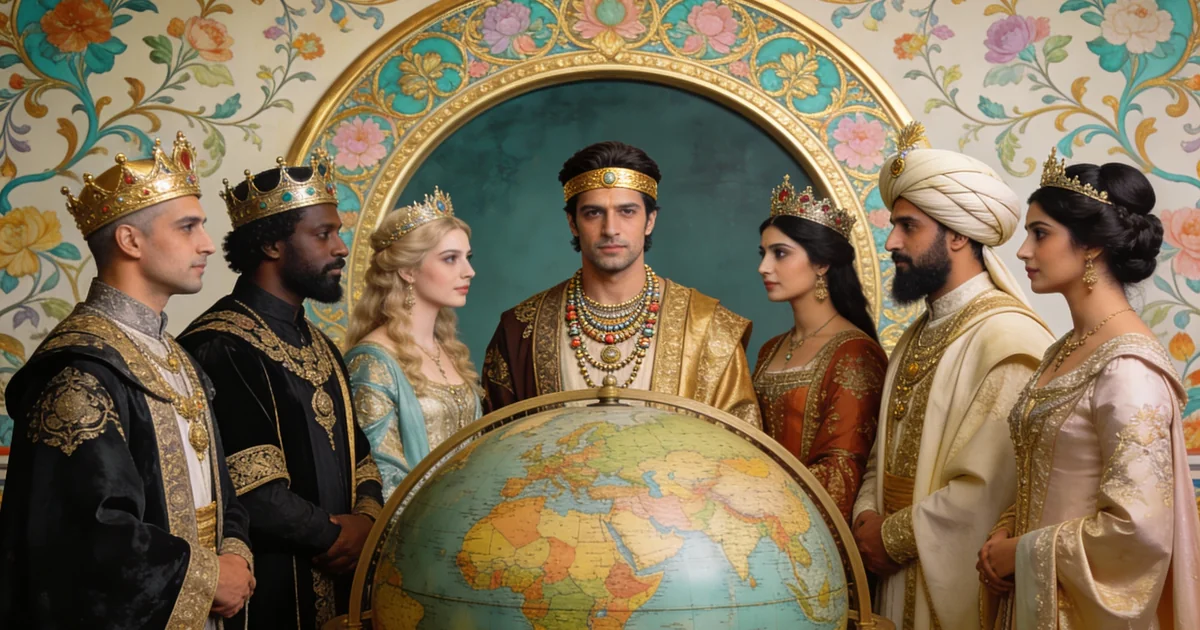
Greek colonists established cities like Himera in Sicily, bringing Mediterranean influences. Rome would eventually unify the peninsula and beyond, but the ancient blood remained—flowing through Late Antique and Medieval populations into the modern peoples of Italy.
"The stones remember. The blood remembers. The story continues in you."
Paleolithic/Mesolithic
30,000–6,000 BCEHunter-gatherers who shaped the first Italian identity across the peninsula.
Chalcolithic
3,500–2,200 BCEBell Beaker migrations and Remedello culture brought metallurgy.
Bronze Age
2,200–900 BCENuragic civilization in Sardinia, Terramare culture in the Po Valley.
Iron Age & Etruscan
900–200 BCEThe mysterious Etruscans built a sophisticated civilization in central Italy.
Greek Colonial
750–200 BCEGreek colonists established cities like Himera, enriching southern Italy.
Roman & Medieval
200 BCE–1000 CERoman Empire, Late Antique, and Medieval foundations of modern Italy.