Menu
Currency
Skip to main content
Chapter I

The Story of the Ancient Balkans

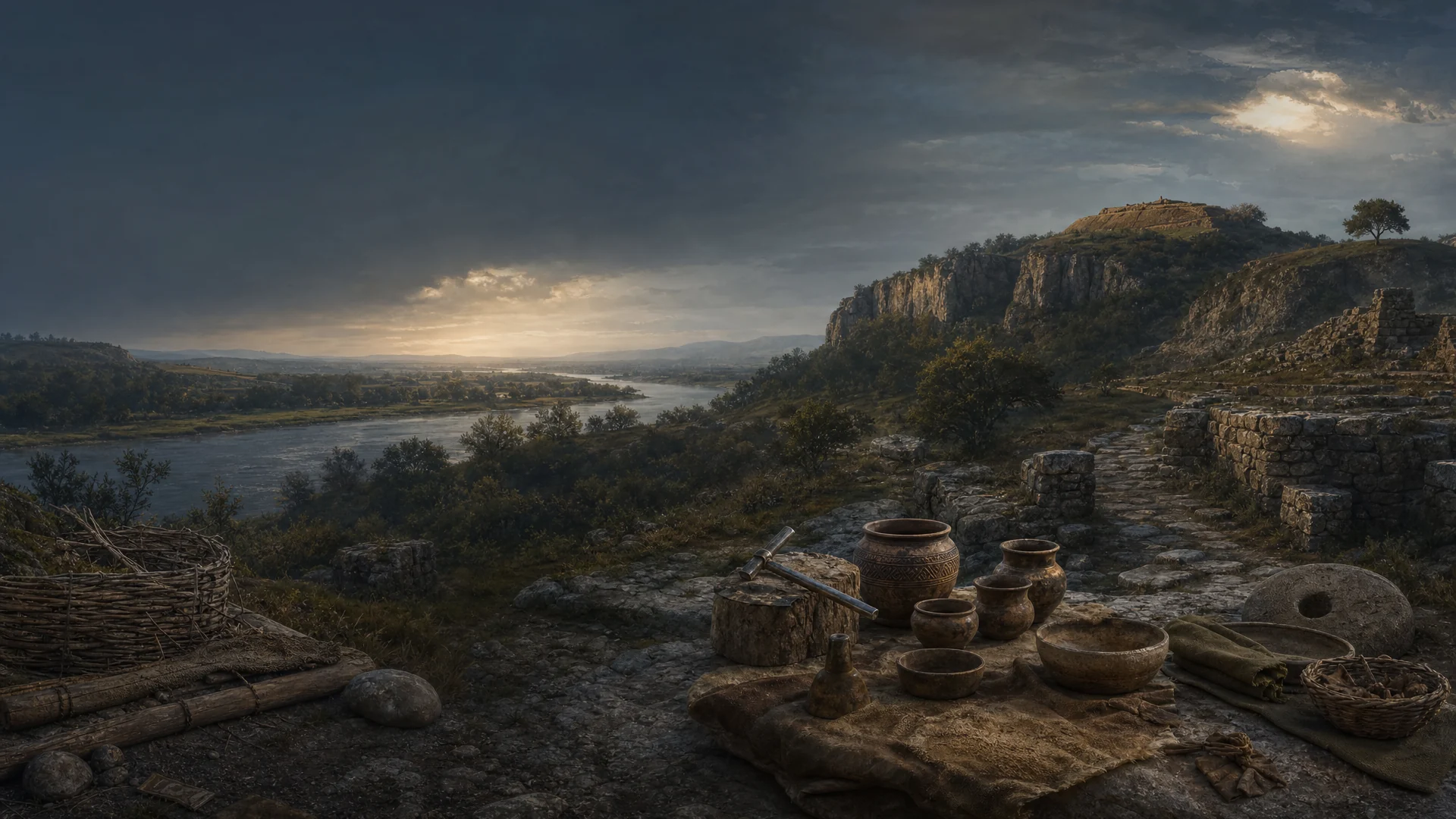
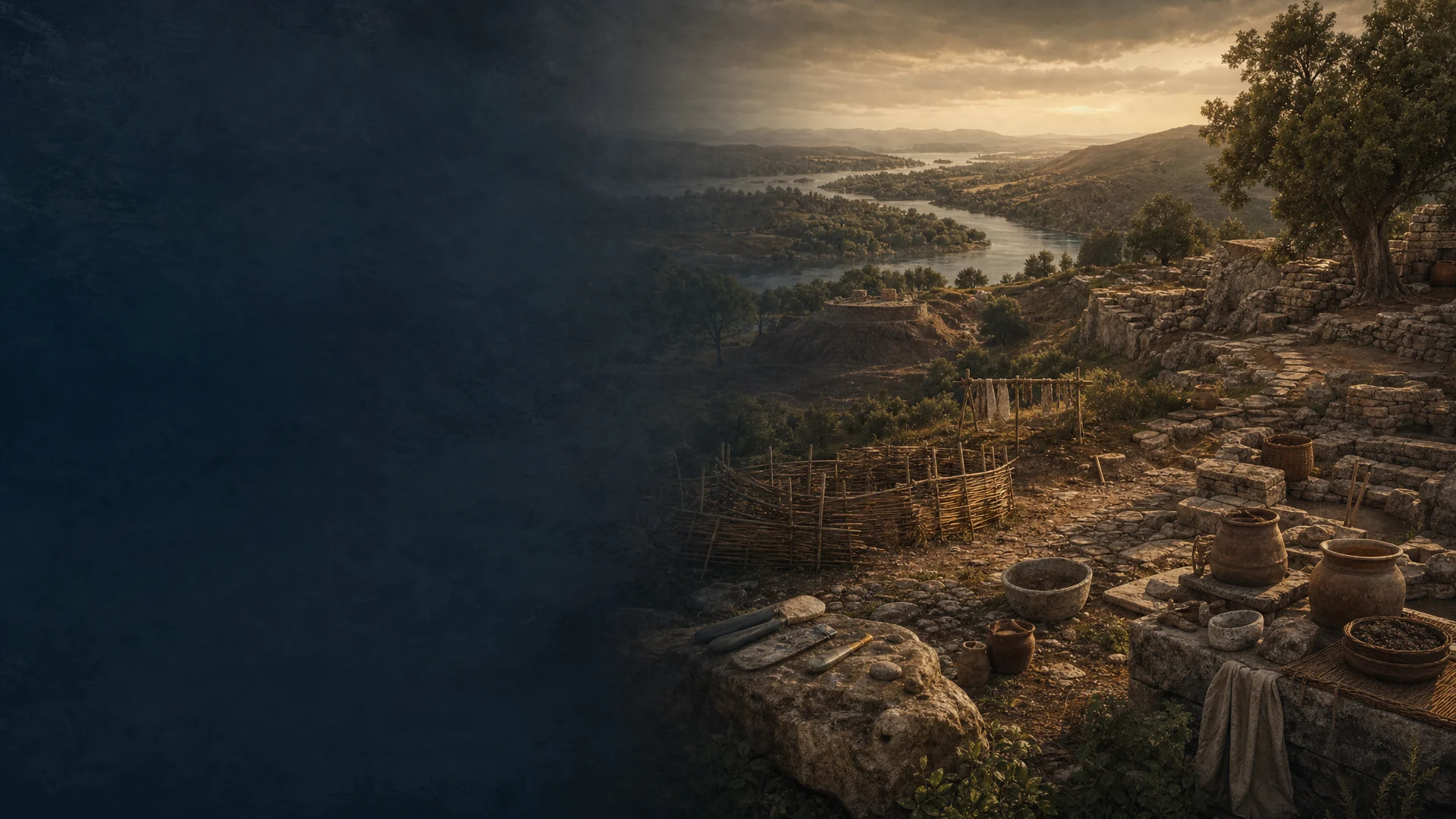
Where the Danube meets the Iron Gates, some of Europe's earliest permanent settlements took root over 9,000 years ago. The sculptors of Lepenski Vir carved enigmatic fish-god figures, marking the dawn of Balkan civilization.

The Vinca culture brought early writing and urban planning, while the Varna necropolis revealed the world's oldest processed gold, buried with chieftains of Europe's first stratified society. These Chalcolithic pioneers laid the foundations for the great civilizations that would follow.

The Mycenaean warrior-kings built palatial complexes at Mycenae and Tiryns, inspiring Homer's epic tales. Classical Athens gave the world democracy, philosophy, and the foundations of Western thought. Thracian horsemen and Dacian mountain warriors defended their ancient homelands against Persian and Roman expansion.

The Byzantine Empire, heir to Rome, preserved classical learning for a thousand years from Constantinople. The report compares your DNA with reference samples from these periods. That comparison is statistical genetic similarity, not a personal history.

The stones, the gold, and the columns are context for the reference panel. Your result is a measure of genetic similarity to those ancient individuals.

Lepenski Vir

Mesolithic

One of Europe's earliest permanent settlements along the Danube, with enigmatic fish-god sculptures.

Varna Gold

Chalcolithic

The world's oldest processed gold artifacts, representing Europe's first complex stratified society.

Mycenaean

Bronze Age

The warrior-culture that inspired Homer's Iliad, with palatial complexes at Mycenae and Tiryns.

Classical Athens

Iron Age

The birthplace of democracy, philosophy, and Western civilization's intellectual foundation.

Byzantine

Medieval

The eastern successor to Rome that preserved classical learning and shaped Orthodox Christian civilization.

Chapter II

What You'll Discover

Not just a single percentage. A statistical view of genetic similarity to ancient Balkan and Southeast European reference samples.

Most Distinguishing Analysis

DNA Segment Matching

We scan your autosomal DNA in short segments and compare each one against every ancient Balkan and Southeast European genome using identical-by-state (IBS) segment matching, weighting longer, rarer shared segments more heavily.

Balkans Similarity Index

A panel-specific 0-100 statistical similarity score weighting shared-segment evidence at 50%, ADMIXTURE distance at 31.25%, and Monte Carlo fit at 18.75%. It is not an ancestry percentage or proof of direct descent.

Reference-fixed PCA Projection

The fixed regional ADMIXTURE reference panel defines stable PCA axes; your kit is projected afterward without moving the reference samples.

Where Your Ancient Matches Lived

See the archaeological sites where genetically similar reference individuals were found, from the Danube gorges to the Aegean coast.

Cultural Period Breakdown

Your genetic affinity to each era: Mesolithic, Neolithic, Chalcolithic, Bronze Age, Iron Age, Classical, and Medieval, all quantified.

Your Closest Match

See the ancient reference individual with the strongest genetic similarity to your kit, including their era and the archaeological context of the sample.

AI-Powered Analysis

The AI assistant explains your results in historical and archaeological context. The output is informational genetic similarity commentary, not proof of descent.

Regional Similarity

Discover connections to specific regions: the Aegean coast, the Danube basin, Thrace, Macedonia, the Peloponnese, and the broader Southeast European landscape.

Haplogroup Lineage Connections

Find ancient Balkan reference individuals on a shared maternal or paternal lineage branch. A shared haplogroup is not a named common ancestor.

Migration & Expansion Roots

See whether your strongest similarity falls with Mesolithic foragers, Neolithic farmers, Bronze Age groups, or later Classical and Medieval reference samples.

Archaeological Site Connections

Connect with famous sites like Lepenski Vir, Varna Necropolis, Mycenae, the Athenian Agora, Sarmizegetusa, and the walls of Constantinople.

Geographic Discovery

Explore Where Your Ancient Matches Lived

The report maps archaeological sites where reference individuals in this panel were found. Genetic similarity to them is a statistical comparison, not a family tree.

Meet The Ancient Individuals Used In This Report

Explore the map preview below, or search the complete reference panel in the table. Genetic similarity to these individuals does not mean they are your real ancestors.

Map preview This map shows a preview of 150 of 1098 reference individuals used in this report. Search the complete list in the table below.

Browse The Complete Reference Panel

Sample ID Name Location Era mtDNA Y-DNA

Loading reference individuals…

No reference individuals match your search.

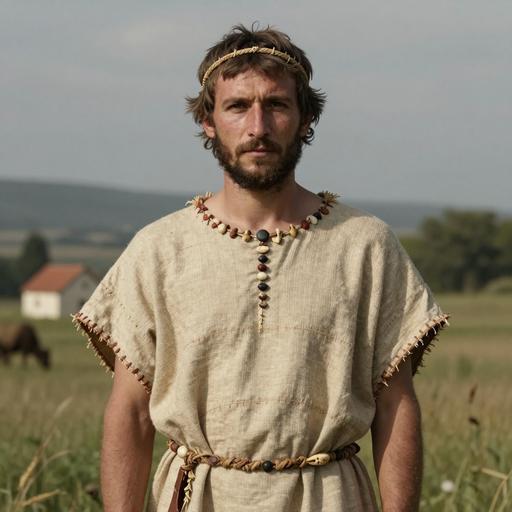
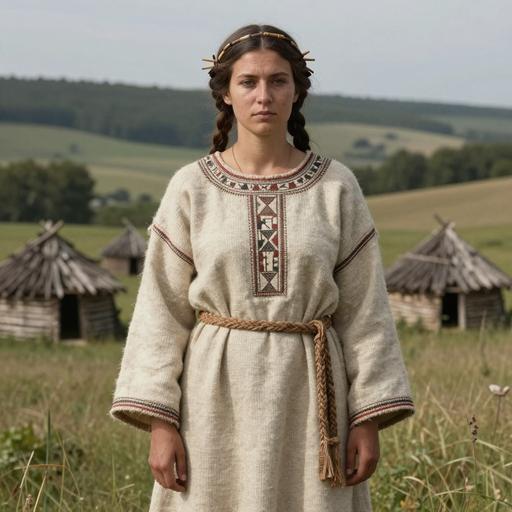
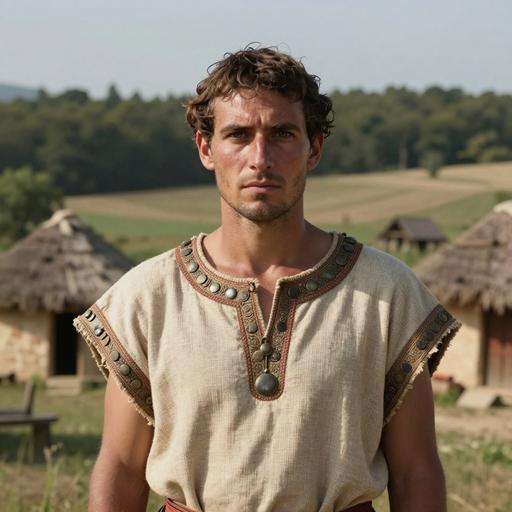
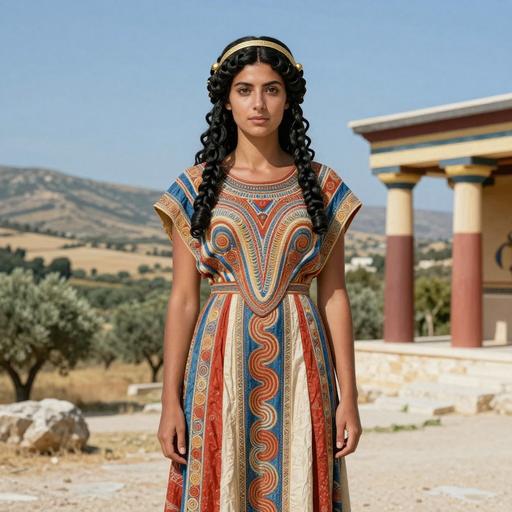
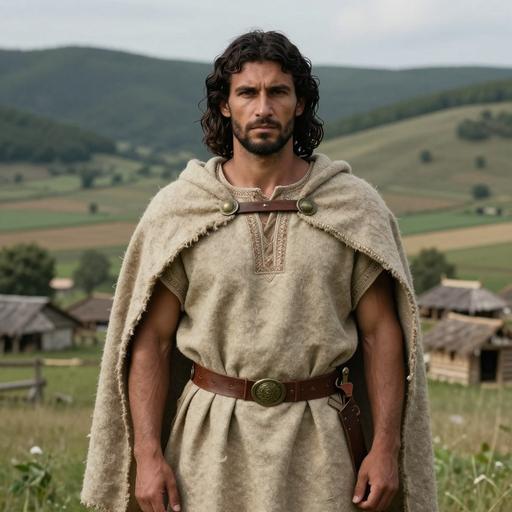
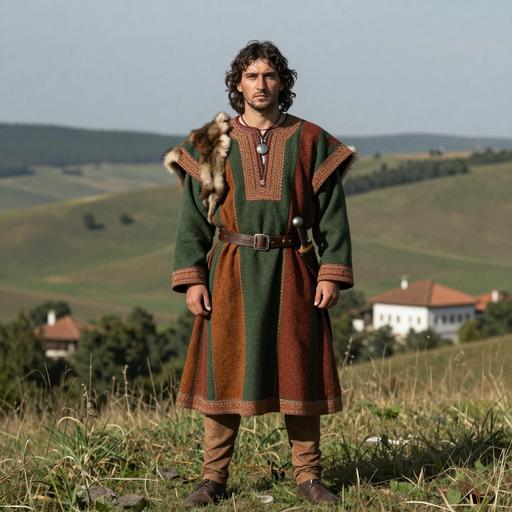
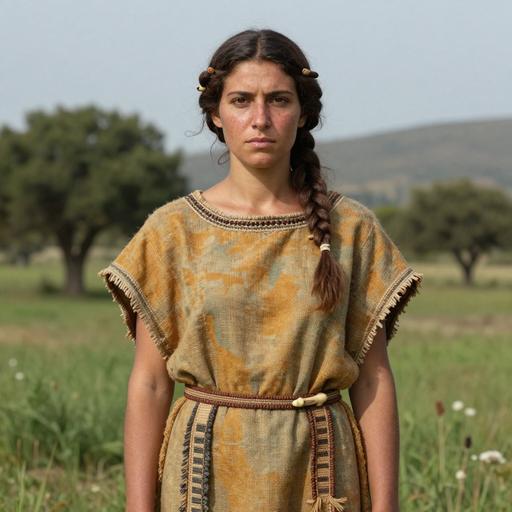
This portrait is an AI-generated speculative reconstruction and may be historically or biologically inaccurate. It is not a photograph of the individual.

Page 1
Chapter III

Faces from the Past

AI-assisted reconstructions of ancient reference individuals from archaeological contexts across the Balkans. They are not photographs, and they are not your ancestors.

Reconstructed portrait of European Neolithic individual, Serbia
European Neolithic mt: H3 Y: G2

European Neolithic individual, Serbia

Serbia Lepenski Vir

6223 BCE - 6064 BCE

Reconstructed portrait of Aegean Neolithic individual, Greece
Aegean Neolithic mt: K1a

Aegean Neolithic individual, Greece

Greece Nea Nikomedeia

6225 BCE - 6075 BCE

Reconstructed portrait of Danubian Cultures individual, Croatia
Danubian Cultures mt: H Y: J-M304

Danubian Cultures individual, Croatia

Croatia Osijek, Beli Manastir-Popova Zemlja

4700 BCE - 4300 BCE

Reconstructed portrait of Chalcolithic Europe individual, Romania
Chalcolithic Europe mt: U5a1c

Chalcolithic Europe individual, Romania

Romania Urziceni

4500 BCE - 3500 BCE

Reconstructed portrait of European Bronze Age individual, Croatia
European Bronze Age mt: K2a Y: G2a2a1a2a2a1

European Bronze Age individual, Croatia

Croatia Osijek, Jagodnjak-Krcevine

1876 BCE - 1687 BCE

Reconstructed portrait of Aegean Civilization individual, Greece
Aegean Civilization mt: U5a1

Aegean Civilization individual, Greece

Greece Crete, Lassithi

2400 BCE - 1700 BCE

Reconstructed portrait of Thracian individual, Bulgaria
Thracian mt: H7c1

Thracian individual, Bulgaria

Bulgaria Kapitan Andreevo

1100 BCE - 500 BCE

Reconstructed portrait of Byzantine Empire individual, Bulgaria
Byzantine Empire mt: U5a1b1c

Byzantine Empire individual, Bulgaria

Bulgaria Samovodene, Veliko Tarnovo

889 CE - 989 CE

Chapter IV

The Science Behind the Story

Ancient DNA, modern analysis. Advanced algorithms, transparent results.

Most Distinguishing Analysis

DNA Segment Matching

We scan your autosomal DNA in short segments and compare each one against every ancient Balkan and Southeast European genome using identical-by-state (IBS) segment matching, weighting longer, rarer shared segments more heavily.

ADMIXTURE Analysis

Advanced ADMIXTURE algorithms compare your genetic profile against reference populations across ancestral components, for Ancient Balkan and Southeast European genetic similarity analysis.

Reference-fixed PCA

The fixed regional ADMIXTURE reference panel defines stable PCA axes; your kit is projected afterward without moving the reference samples.

Monte Carlo Simulations

Monte Carlo simulation methods provide robust statistical estimates of genetic similarity to Balkan and Southeast European reference samples, with confidence intervals.

900+ Ancient Samples

Our reference panel includes samples from the Aegean, the Danube basin, Thrace, Macedonia, the Peloponnese, and the broader Balkans, spanning over 12,000 years of human history.

Peer-Reviewed Sources

All ancient DNA samples come from peer-reviewed academic publications, with full citations and links provided in your report. Science you can trust.

Your Data, Protected

GDPR Compliant

Full compliance with European data protection regulations

256-bit Encryption

Bank-level security for all your genetic data

You Own Your Data

Delete your data anytime. No questions asked.

Report Preview

A Glimpse Into Your Report

Illustrative examples of report output, not your personal results. See what awaits you in your personalized Ancient Balkans report.

Preview a Live Demo Report

Regional Similarity

Aegean Coast
48%
Danube Basin
35%
Thrace
27%

Illustrative example of similarity to reference regions, not a real person's results.

Genetic Visualization

Interactive reference-fixed PCA chart

See your position in Balkan and Southeast European genetic space with interactive scatter plots

Lineage Connections

mtDNA H2a1 22 matches
Y-DNA J2a 15 matches

Find ancient reference individuals on a shared maternal or paternal lineage branch.

Export & Share

Print Report
Export CSV
Share Card

Print, export, or share your results with family and friends

The figures shown are illustrative examples. They are not one person's results.

Trusted by 200,000+ DNA Explorers

Real, verified reviews from people who have explored their genetic similarity with DNAGENICS

F.L.
Verified

Great reports like the "Human Leukocyte Antigen" Report. The Deep Ancient Reports with Samples are very helpful to understand the Results and own Heritage. I like the Admixture Studio and the powerful G25 Studio.

B.J.
Verified

DNAGenics is an excellent company. It provides necessary services for those of us who need help understanding and working with complex genetic information. They are efficient in their communications. I recommend them without hesitation.

B.D.
Verified

Excellent company with helpful customer support that always respond very quickly. There are always new features and the purchase packs include a lot of admixture reports and G25 coordinates. Highly recommend.

Sample Similarity Score

Illustrative example. Not calculated from your DNA.

Unlock My Full Report
The Reference Panel

Compare Your DNA with the Balkan Panel

A one-time report of statistical genetic similarity to ancient Balkan and Southeast European reference samples.

Ancient Balkans Report 28.00€ One-time payment - Lifetime access
Balkans Similarity Index
Reference-fixed PCA Analysis
7 Cultural Period Breakdown
Regional Similarity Breakdown
Haplogroup Lineage Matches
Interactive Geographic Map
Migration & Expansion Analysis
Archaeological Sites Explorer
Print & Export to CSV
Shareable Social Card
AI-Powered Explanations

Results describe genetic similarity to reference samples. They are not proof of direct descent.

Secure payment · GDPR compliant · Your data stays yours

Questions & Answers

Frequently Asked Questions

The report reveals your genetic similarity to ancient Balkan and Southeast European reference samples spanning 12,000 years. You receive a composite Balkans Similarity Index, reference-fixed PCA analysis, haplogroup lineage matches, a cultural period breakdown, and an interactive map showing where your genetic matches were recovered.
No. A strong genetic similarity score means your DNA shares statistical affinity with a reference sample. It is not proof of direct descent, a family tree connection, or a named common ancestor. The report describes population-level genetic similarity, not personal genealogy.
We support raw DNA data from 23andMe, AncestryDNA, MyHeritage, FamilyTreeDNA, Living DNA, and Nebula Genomics. Upload your raw data file to receive your personalized Ancient Balkans report.
Once your DNA data is uploaded and processed, your Ancient Balkans report is typically ready within minutes. You will receive lifetime access to your results with no subscription required.
Yes. The reference panel spans Mesolithic Lepenski Vir foragers, the Chalcolithic Vinca and Varna cultures, Bronze Age Mycenaean sites, Iron Age Dacian and Thracian populations, and the Byzantine era. Your report quantifies your genetic similarity to each of these cultural periods separately.

Reading ancient and modern DNA since 2018

DNA Genics has been building ancestry and DNA analysis reports since 2018. Our reports come from years of work with our own reference panels, calculators and ancient-genome comparisons, developed and reviewed by our team. They are not generated on the fly or assembled as a side project. We use AI only in clearly labelled optional features.

About DNA Genics