Menu
mtDNA Haplogroup • Maternal Lineage

C5A1

mtDNA Haplogroup C5A1

~7,000 years ago
Central–Eastern Siberia / Mongolia
0 subclades
Scroll to explore
Chapter I

The Story

The journey of mtDNA haplogroup C5A1

Origins and Evolution

mtDNA haplogroup C5A1 is a daughter lineage of haplogroup C5A, itself a branch of the broader haplogroup C5 which is characteristic of northern Eurasia. Based on the time depth of its parent clade and the geographic patterning of modern and ancient samples, C5A1 most plausibly differentiated in central–eastern Siberia / adjacent Mongolia during the early to mid-Holocene (roughly ~7 kya). The lineage reflects post-glacial population structure in northern Eurasia and likely arose within populations that persisted in subarctic and temperate forest-steppe environments after the Last Glacial Maximum.

Mutational evidence places C5A1 as a nested subclade within C5A; like many northern Eurasian maternal lineages, its phylogeography records continuity in Siberian hunter-gatherers and later incorporation into pastoralist and nomadic groups.

Subclades

As a defined subclade of C5A, C5A1 may itself contain further downstream branches in well-sampled datasets, but at present it is best considered a geographically informative terminal lineage within C5A. Where more detailed sequencing (complete mitogenomes) is available, researchers sometimes resolve additional internal structure beneath C5A1, reflecting localized diversification in Siberian, Mongolic and Tungusic-speaking populations. The limited number of reported ancient occurrences suggests the subclade is not extremely widespread in the archaeological record, but shows maternal continuity in northern Eurasian contexts.

Geographical Distribution

C5A1 is concentrated in northern Eurasia with the highest frequencies and greatest haplotype diversity in Siberian and adjacent Mongolian populations. Modern occurrences are most often reported among:

  • Yakut (Sakha), Evenk, Nenets and other Siberian ethnic groups
  • Mongolic and Tungusic-speaking populations (e.g., Buryat, Mongolian, Even)
  • Tuvan and some Altaic groups in southern Siberia / Altai region
  • Tibetan and Himalayan Tibeto-Burman groups at low-to-moderate frequency, reflecting gene flow or ancient connections across the highlands
  • Central Asian groups (e.g., some Kazakh and Altai populations) at lower frequency

Outside this core zone, C5A1 appears sporadically in East Asian populations (very low frequency), in selected South Asian highland/Tibeto-Burman groups, and as rare admixed occurrences in parts of northern and eastern Europe where Siberian/East Asian ancestry has reached via historical migrations. A small number of ancient DNA hits (a handful of reported ancient occurrences) confirm its presence in Holocene northern Eurasian contexts.

Historical and Cultural Significance

Lineages like C5A1 document maternal continuity and regional diversification in northern Eurasia across the Holocene. The clade likely persisted in hunter-gatherer groups of the early Holocene and was later assimilated into mobile pastoralist and nomadic societies that shaped the genetic landscape of Siberia and Mongolia during the Bronze Age and later periods. C5A1’s presence in Tibetan and Himalayan groups at low frequency suggests either prehistoric upland connections between Mongolia/Siberia and the Tibetan Plateau or later gene flow mediated by trans-Himalayan contacts.

Culturally, C5A1-bearing maternal lines can be found among groups associated with Siberian Bronze Age complexes (local Bronze Age cultures, later Bronze Age steppe-related movements) and in Iron Age and historical-era nomadic confederations; however, the haplogroup is not diagnostic of any single archaeological culture and instead reflects broader northern Eurasian maternal ancestry.

Conclusion

C5A1 is a geographically informative maternal subclade of C5A that highlights Holocene population processes in northern Eurasia. Its distribution—highest in central–eastern Siberia and Mongolia, present among Mongolic and Tungusic populations, and scattered into the Tibetan Plateau and Central Asia—supports a model of long-term regional persistence with episodic dispersals tied to later pastoralist and nomadic expansions. Continued complete mitogenome sampling, particularly in under-sampled Siberian and Himalayan populations and additional ancient DNA recovery, will refine the internal structure, age estimates and migratory history of C5A1.

Key Points

  • Origins and Evolution
  • Subclades
  • Geographical Distribution
  • Historical and Cultural Significance
  • Conclusion
Chapter II

Tree & Relationships

Phylogenetic context and subclades

Evolution Path

This haplogroup's evolutionary journey from its earliest ancestor to the present.

Steps Haplogroup Age Estimate Archaeology Era Time Passed Immediate Descendants Tested Modern Descendants Ancient Connections
1 C5A1 Current ~7,000 years ago 🌾 Neolithic 7,000 years 0 1 0
2 C5A ~9,000 years ago 🌾 Neolithic 9,000 years 1 1 13
3 C5 ~18,000 years ago 🏹 Mesolithic 18,000 years 4 6 4
4 C ~35,000 years ago 🦴 Paleolithic 35,000 years 5 617 75

Subclades (0)

Terminal branch - no known subclades

Chapter III

Where in the World

Geographic distribution and modern presence

Place of Origin

Central–Eastern Siberia / Mongolia

Modern Distribution

The populations where mtDNA haplogroup C5A1 is found include:

  1. Siberian ethnic groups (e.g., Yakut/Sakha, Evenk, Nenets, Chukchi, Tuvan)
  2. Mongolic and Tungusic-speaking populations (e.g., Mongolians, Buryats, Even)
  3. Tibetan and Himalayan Tibeto-Burman populations (e.g., Tibetans, Sherpa, some Nepalese groups)
  4. Central Asian groups (e.g., some Kazakh and Altai communities)
  5. Selected South Asian foothill/Tibeto-Burman populations in the Himalayan region
  6. East Asian populations at very low frequency (occasional reports in Koreans, Japanese)
  7. Ancient northern Eurasian archaeological contexts (several reported ancient DNA occurrences)
  8. Occasional admixed individuals in northern and eastern Europe reflecting Siberian/East Asian gene flow
CHAPTER IV

When in Time

Your haplogroup in the context of human history

~10k years ago

Neolithic Revolution

Agriculture begins, settled communities form

~7k years ago

Haplogroup C5A1

Your mtDNA haplogroup emerged in Central–Eastern Siberia / Mongolia

Central–Eastern Siberia / Mongolia
~5k years ago

Bronze Age

Metalworking, writing, and early civilizations

~3k years ago

Iron Age

Iron tools, expanded trade networks

~2k years ago

Classical Antiquity

Greek and Roman civilizations flourish

Present

Present Day

Modern era

Your Haplogroup
Historical Era
Chapter IV-B

Linked Cultures

Ancient cultures associated with mtDNA haplogroup C5A1

Cultural Heritage

These ancient cultures have been linked to haplogroup C5A1 based on matching ancient DNA samples from archaeological excavations. The presence of this haplogroup in these cultures provides insights into the migrations and population movements of populations carrying this haplogroup.

Amur Neolithic Boisman Medieval Khuvsgul Sukhbaatar Multi-Period Xianbei Culture
Culture assignments are based on archaeological context of ancient DNA samples and may represent regional associations during specific time periods.
Chapter V

Sample Catalog

4 direct carriers of haplogroup C5A1

4 / 4 samples
Portrait Sample Country Era Date Culture mtDNA Match
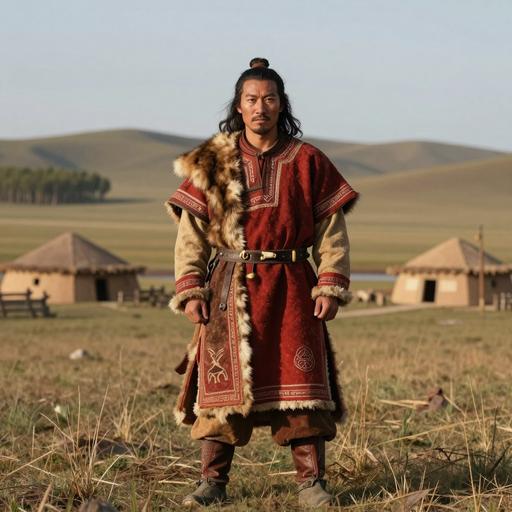
Portrait of ancient individual MGS-M6 from China, dated 50 CE - 250 CE
MGS-M6
China Iron Age Xianbei Culture, Amur River Region, China 50 CE - 250 CE Xianbei Culture C5a1 Direct
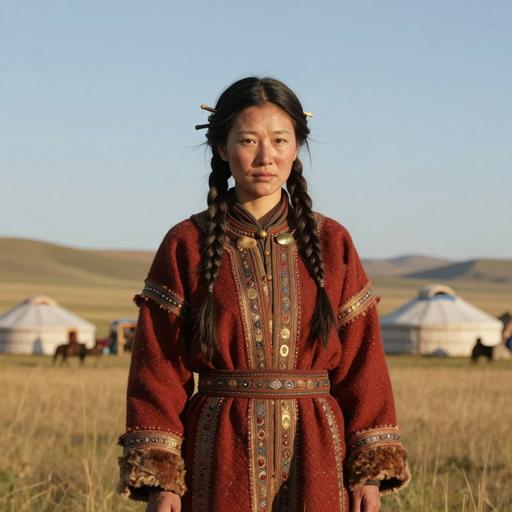
Portrait of ancient individual MGS-M6 from China, dated 50 CE - 250 CE
MGS-M6
China The Xianbei People 50 CE - 250 CE C5a1 Direct
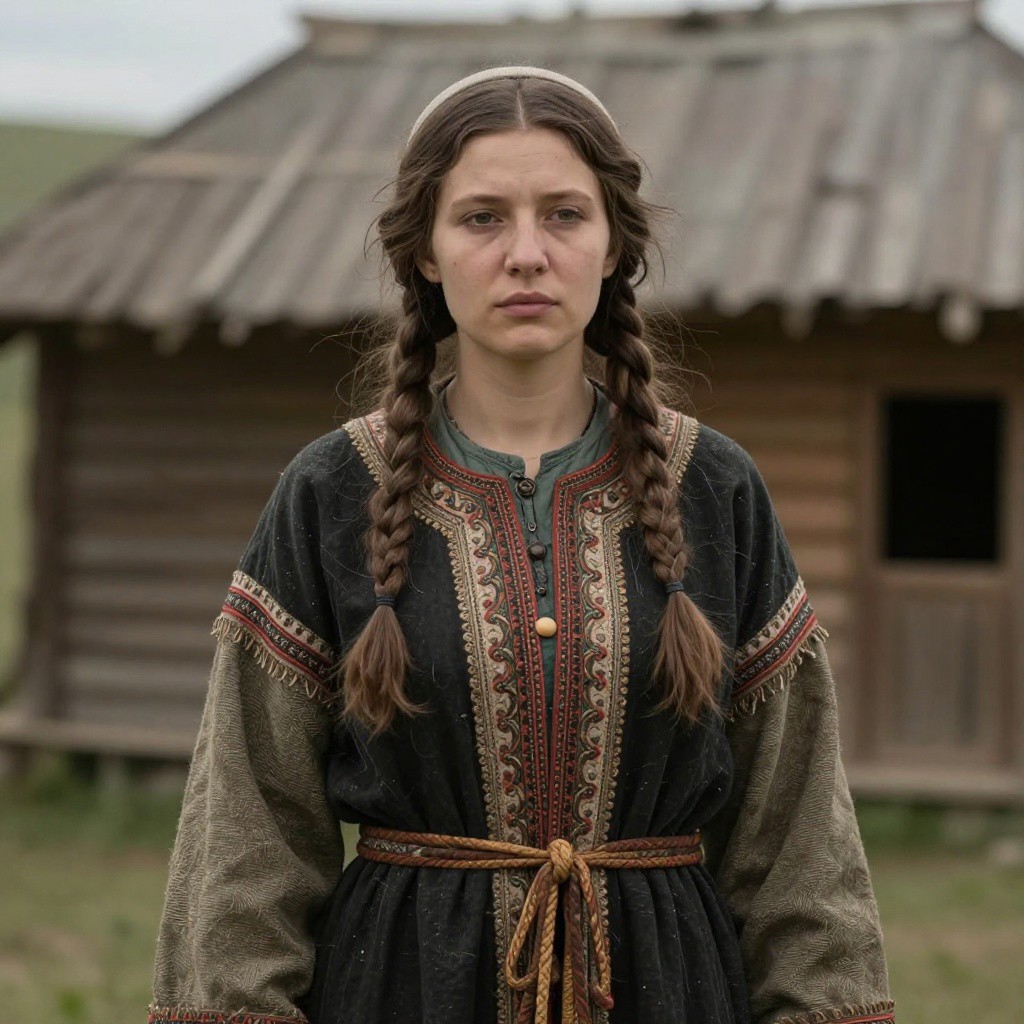
Portrait of ancient individual ULN004 from Mongolia, dated 96 BCE - 109 CE
ULN004
Mongolia Middle to Late Bronze Age to Xiongnu to Late Medieval Sukhbaatar, Mongolia 96 BCE - 109 CE Sukhbaatar Multi-Period C5a1 Direct
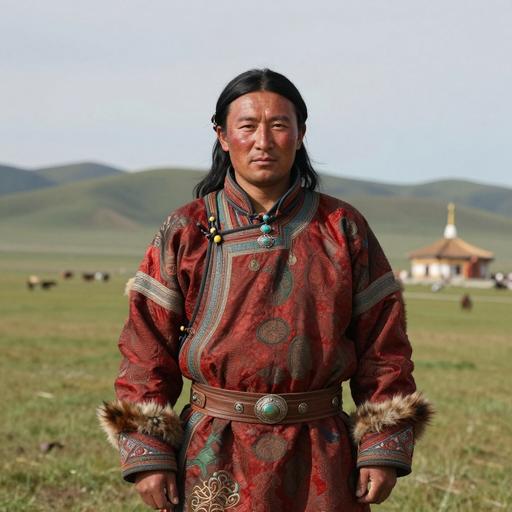
Portrait of ancient individual KHV002 from Mongolia, dated 1000 CE - 1500 CE
KHV002
Mongolia Late Medieval Khuvsgul, Mongolia 1000 CE - 1500 CE Medieval Khuvsgul C5a1 Direct
Chapter VI

Carrier Distribution Map

Geographic distribution of 4 ancient DNA samples (direct and subclade carriers of C5A1)

Direct carrier
Time Period Filter
All Time Periods
Showing all samples
Chapter VII

Temporal Distribution

Distribution of carriers across archaeological periods

Chapter VIII

Geographic Distribution

Distribution by country of origin (direct and subclade carriers shown by default)

Chapter IX

Country × Era Distribution

Cross-tabulation of carrier countries and archaeological periods (direct and subclade carriers shown by default)

Data

Data & Provenance

Source information and data quality

Last Updated 2026-02-16
Confidence Score 50/100
Coverage Low
Data Source

We use the latest phylotree for MTDNA haplogroup classification and data.