The Story
The journey of mtDNA haplogroup D2A1A
Origins and Evolution
mtDNA haplogroup D2A1A is a derived subclade of D2A1, itself part of the broader D2a family of maternal lineages associated with Arctic and Beringian populations. Based on the phylogenetic position under D2A1 and calibrations used for Holocene mtDNA diversification, D2A1A most plausibly formed in Northeast Asia / Beringia during the mid-to-late Holocene (on the order of ~2 thousand years ago). The clade represents a local diversification of an already arctic-adapted maternal lineage and is consistent with successive founder events and genetic drift in small, mobile coastal and island communities of the Bering Strait and adjacent Arctic.
Subclades
As a defined downstream subclade of D2A1, D2A1A may contain further rare sub-branches identifiable by additional coding-region and control-region mutations. Published work and ancient-DNA surveys have resolved multiple fine-scale D2a/D2A1 sublineages in modern and ancient Arctic samples; D2A1A should be considered one of these regional micro-lineages that emerged after the initial D2a expansion into the North American Arctic and adjacent Siberia.
Geographical Distribution
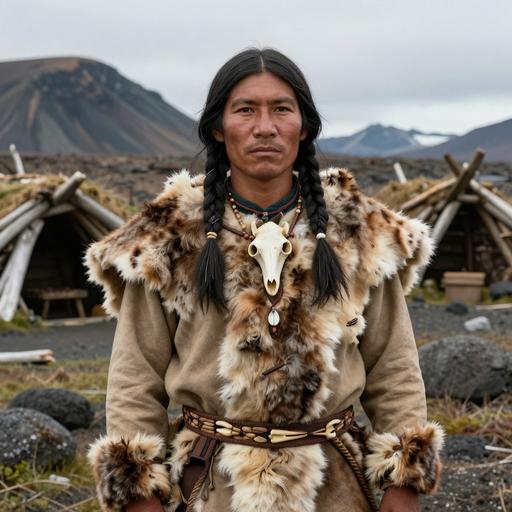
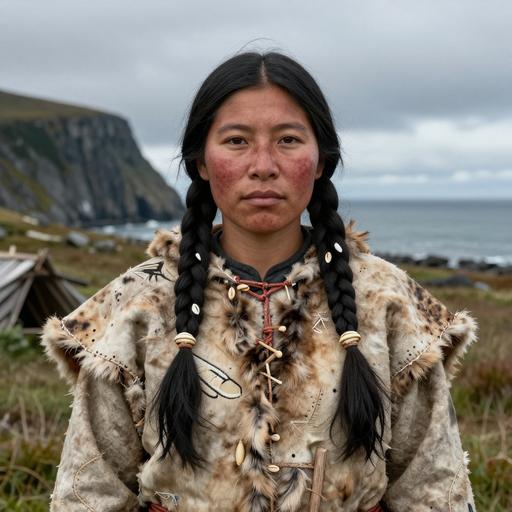
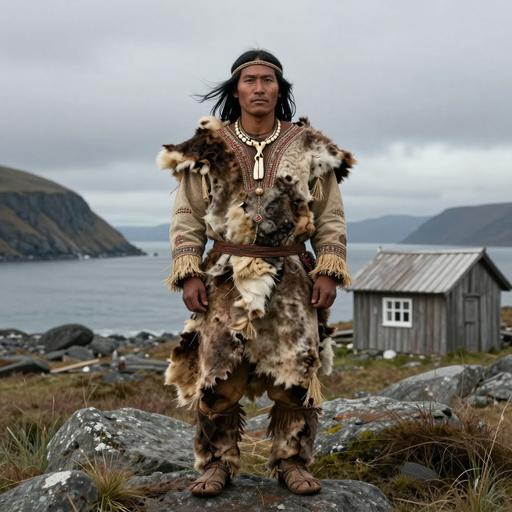
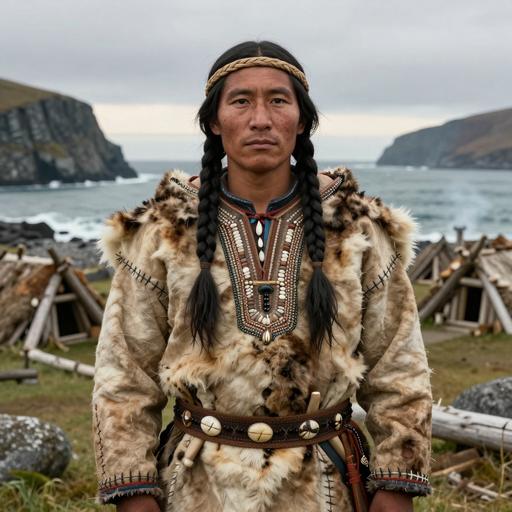
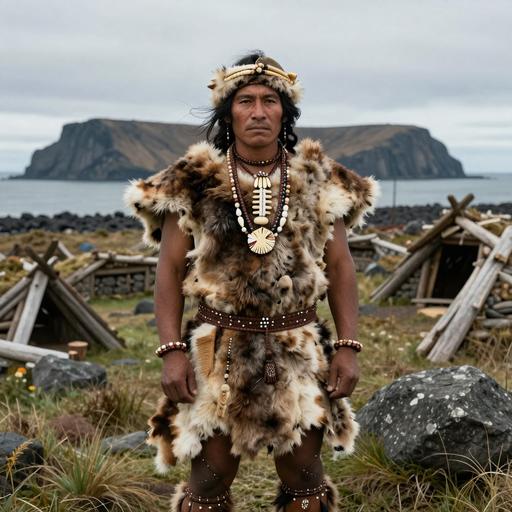
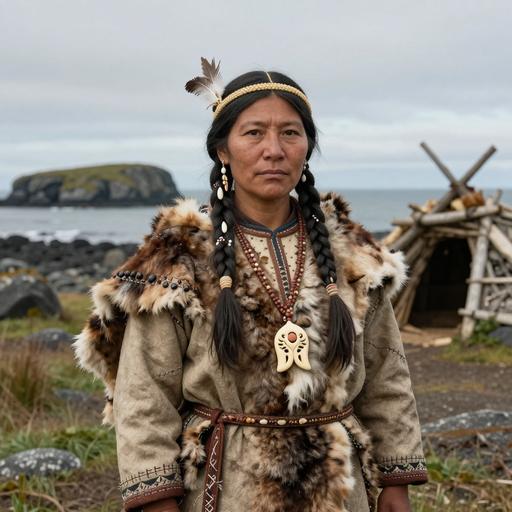
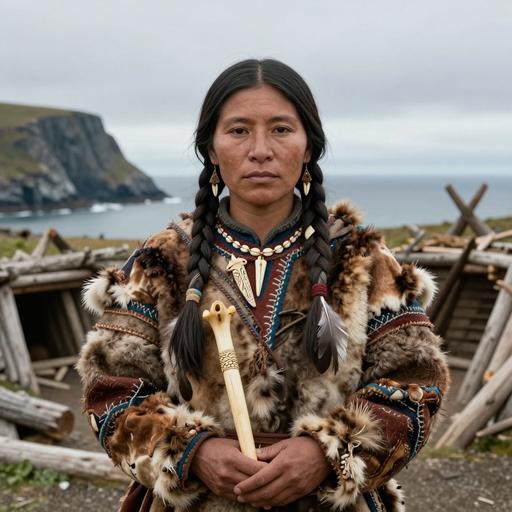
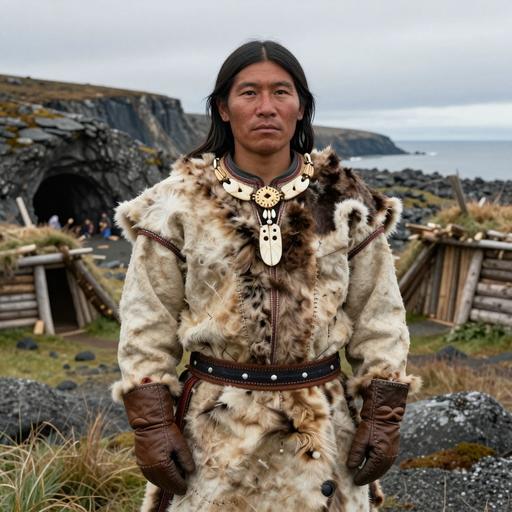
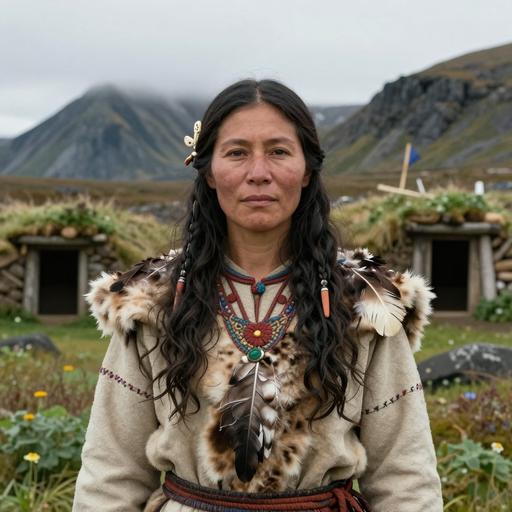
D2A1A is concentrated in the circumpolar region of northeastern Siberia and northern North America. Modern occurrences are highest among Inuit groups of Greenland and Alaska, Aleut (Unangan) communities, and Yupik-speaking populations of Siberia and Alaska. The clade also overlaps with lineages observed in archaeological contexts attributed to Paleo-Eskimo and later Neo-Eskimo (Thule) cultural phases, indicating continuity of maternal ancestry in some locales from the late Holocene to present.
Historical and Cultural Significance
The distribution and phylogenetic age of D2A1A fit models in which maternal lineages entered and diversified in the Beringia-to-Arctic corridor during the Holocene and were subsequently transmitted through maritime-adapted cultural traditions. Associations with archaeological cultures are plausible: D2A1 (the parent) appears in Paleo-Eskimo remains (e.g., Saqqaq), while later dispersals tied to Thule expansions (the ancestors of most modern Inuit) provide a mechanism for the wider spread and persistence of D2A1A. The clade illustrates how maternal founder effects, isolation, and population turnover shaped mtDNA diversity in high-latitude regions.
Conclusion
D2A1A is a regionally important maternal lineage within the D2a/D2A1 framework, emblematic of Holocene Arctic maternal ancestry. Its presence in modern Inuit, Aleut, and Siberian Yupik populations and appearance in ancient Arctic contexts underscores long-term continuity and the role of localized diversification following Beringian migrations. Continued ancient-DNA sampling and high-resolution mitogenome sequencing will refine the internal structure and precise chronology of this subclade.
Key Points
- Origins and Evolution
- Subclades
- Geographical Distribution
- Historical and Cultural Significance
- Conclusion