Menu
mtDNA Haplogroup • Maternal Lineage

G2A1

mtDNA Haplogroup G2A1

~12,000 years ago
East / Northeast Asia
3 subclades
Scroll to explore
Chapter I

The Story

The journey of mtDNA haplogroup G2A1

Origins and Evolution

mtDNA haplogroup G2A1 is a downstream lineage of the broader haplogroup G2A, itself nested within mtDNA haplogroup G. Haplogroup G has a deep presence in Northeast and East Asia, and G2A1 most likely diversified from G2A during the terminal Pleistocene to the early Holocene (roughly within the last ~5–15 thousand years), as human groups recolonized and expanded across northern East Asia and adjacent regions after the Last Glacial Maximum. The phylogenetic position of G2A1 as a subclade of G2A places it within a cluster of maternal lineages that are strongly associated with hunter-gatherer and later regional populations of Northeast Asia and Siberia.

Ancient DNA studies have identified G2A1 in multiple archaeological samples (the dataset referenced here includes 32 ancient occurrences), indicating continuity of this lineage in archaeological contexts across time and supporting a scenario of long-term regional persistence with episodic local expansions.

Subclades (if applicable)

G2A1 may itself include additional downstream branches detected at low frequencies in high-resolution sequencing studies; however, compared with major continental haplogroups it remains a relatively fine-scale regional lineage. Where whole-mitogenome resolution is available, researchers sometimes resolve sublineages within G2A1 that have geographically restricted distributions (for example, variants enriched in Japan versus those found in inland Siberia). As with many mtDNA subclades, ongoing sequencing of modern and ancient samples continues to refine the internal structure of G2A1.

Geographical Distribution

G2A1 shows a clear concentration in Northeast and East Asia, with notable presence in:

  • Japan (including documented occurrences among Ainu and some Ryukyuan groups),
  • Korea and northeastern Han Chinese populations,
  • Indigenous Siberian groups (e.g., Yakut, Evenk, Nganasan, Koryak),
  • Mongolic and some Central Asian populations (e.g., Buryat, Mongol),
  • Northern Tibeto-Burman and other highland East Asian groups at low to moderate frequencies,
  • Circumpolar communities and occasional low-frequency occurrences in the Americas, consistent with rare maternal lineages traced to northeast Asian source populations.

The pattern suggests a northerly origin with both inland and coastal dispersals. In Japan the lineage may reflect Late Pleistocene/early Holocene continuity (Jomon and post-Jomon periods) or later gene flow from continental Northeast Asia, depending on the sublineage and archaeological context.

Historical and Cultural Significance

G2A1 is primarily associated with hunter-gatherer and early Holocene populations of Northeast Asia and adjacent regions. Its presence in ancient samples implies it was part of maternal gene pools present during important postglacial demographic processes: localized persistence through the Holocene, regionally structured expansions, and interaction with incoming agricultural or pastoralist groups.

In Japan, occurrences of G2A1 (including among Ainu and some Ryukyuan individuals) link the haplogroup to the island’s prehistoric populations (commonly considered in discussions of Jomon continuity versus later Yayoi-associated gene flow). In Siberia and northeastern Asia, G2A1 co-occurs with other Northeast Asian maternal lineages and with paternal lineages characteristic of circumpolar and Tungusic-speaking groups, reflecting regional demographic histories shaped by mobility, climate, and cultural change.

Conclusion

mtDNA haplogroup G2A1 is a regionally informative Northeast/East Asian subclade of G2A that documents maternal continuity and localized diversification in Northeast Asia, Japan, Siberia, and parts of Central Asia from the Late Pleistocene through the Holocene. While not a globally common haplogroup, its distribution and presence in ancient genomes make it useful for reconstructing regional population history, postglacial expansions, and prehistoric connections between continental and insular Northeast Asia.

Key Points

  • Origins and Evolution
  • Subclades (if applicable)
  • Geographical Distribution
  • Historical and Cultural Significance
  • Conclusion

Chapter II

Tree & Relationships

Phylogenetic context and subclades

Evolution Path

This haplogroup's evolutionary journey from its earliest ancestor to the present.

Steps Haplogroup Age Estimate Archaeology Era Time Passed Immediate Descendants Tested Modern Descendants Ancient Connections
1 G2A1 Current ~12,000 years ago 🌾 Neolithic 12,000 years 3 9 0
2 G2A ~20,000 years ago 🏹 Mesolithic 20,000 years 5 34 48
3 G2 ~20,000 years ago 🏹 Mesolithic 20,000 years 2 40 10
4 G ~35,000 years ago 🦴 Paleolithic 35,000 years 4 300 3
5 M ~60,000 years ago 🦴 Paleolithic 60,000 years 11 1,200 41
6 L3 ~70,000 years ago 🦴 Paleolithic 70,000 years 11 17,621 6
7 L ~160,000 years ago 🦴 Paleolithic 160,000 years 7 18,987 5

Siblings (4)

Other branches from the same parent haplogroup

Chapter III

Where in the World

Geographic distribution and modern presence

Place of Origin

East / Northeast Asia

Modern Distribution

The populations where mtDNA haplogroup G2A1 is found include:

  1. Japanese populations (including Ainu and some Ryukyuan groups)
  2. Koreans and northeastern Han Chinese
  3. Indigenous Siberian groups (e.g., Yakut, Evenk, Nganasan, Koryak)
  4. Mongolic and some Central Asian populations (e.g., Buryat, Mongol)
  5. Northern Tibeto-Burman and other highland East Asian groups (at low to moderate frequencies)
  6. Circumpolar communities and rare occurrences in the Americas (generally low frequency and localized)
CHAPTER IV

When in Time

Your haplogroup in the context of human history

~12k years ago

Haplogroup G2A1

Your mtDNA haplogroup emerged in East / Northeast Asia

East / Northeast Asia
~10k years ago

Neolithic Revolution

Agriculture begins, settled communities form

~5k years ago

Bronze Age

Metalworking, writing, and early civilizations

~3k years ago

Iron Age

Iron tools, expanded trade networks

~2k years ago

Classical Antiquity

Greek and Roman civilizations flourish

Present

Present Day

Modern era

Your Haplogroup
Historical Era
Chapter IV-B

Linked Cultures

Ancient cultures associated with mtDNA haplogroup G2A1

Cultural Heritage

These ancient cultures have been linked to haplogroup G2A1 based on matching ancient DNA samples from archaeological excavations. The presence of this haplogroup in these cultures provides insights into the migrations and population movements of populations carrying this haplogroup.

Argun River Culture Lena River Culture Shamanka Culture Shimao Culture Wuzhuangguoliang Culture Zongri Culture
Culture assignments are based on archaeological context of ancient DNA samples and may represent regional associations during specific time periods.
Chapter V

Sample Catalog

27 direct carriers and 6 subclade carriers of haplogroup G2A1

33 / 33 samples
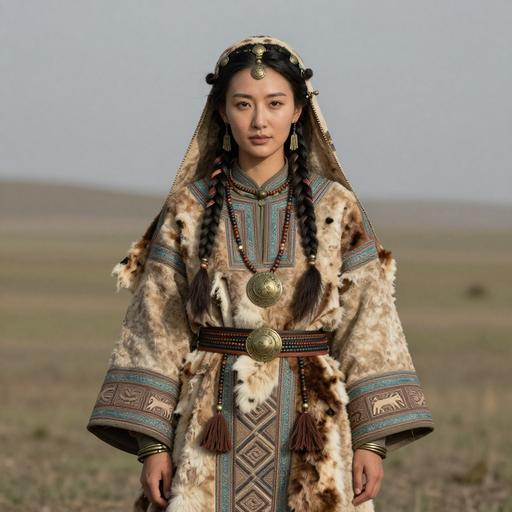
Portrait Sample Country Era Date Culture mtDNA Match
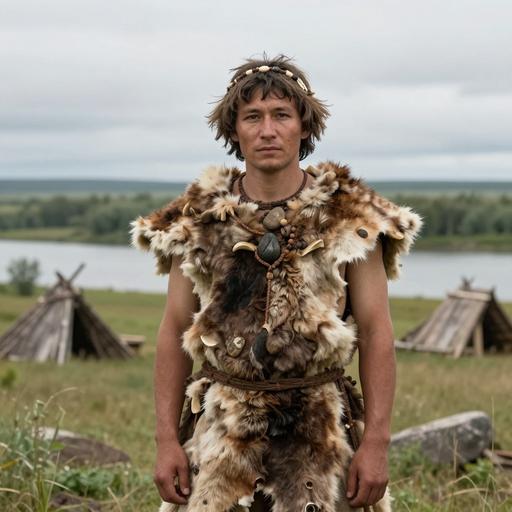
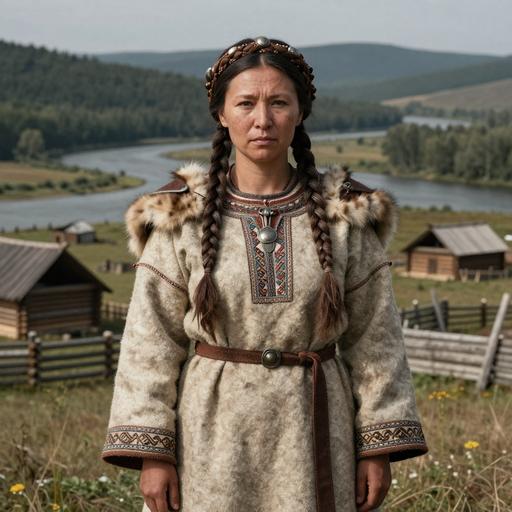
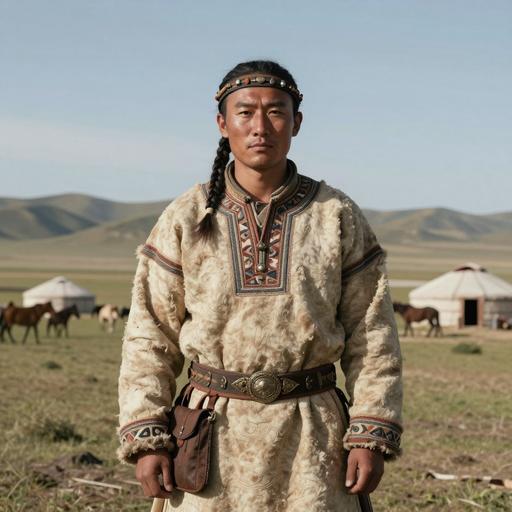
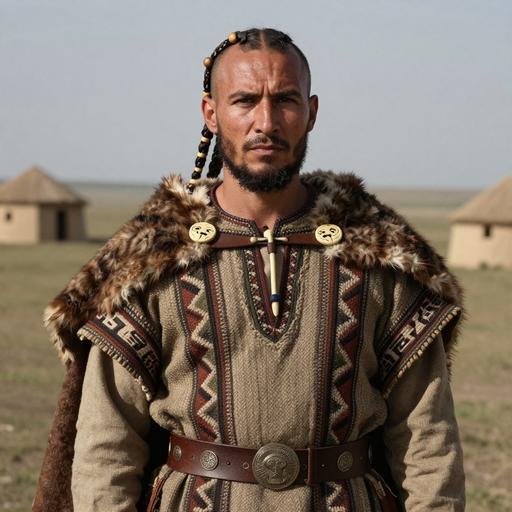
Portrait of ancient individual TAK001 from Mongolia, dated 200 BCE - 100 CE
TAK001
Mongolia Xiongnu Period Khovd, Mongolia 200 BCE - 100 CE Xiongnu Khovd G2a1 Direct
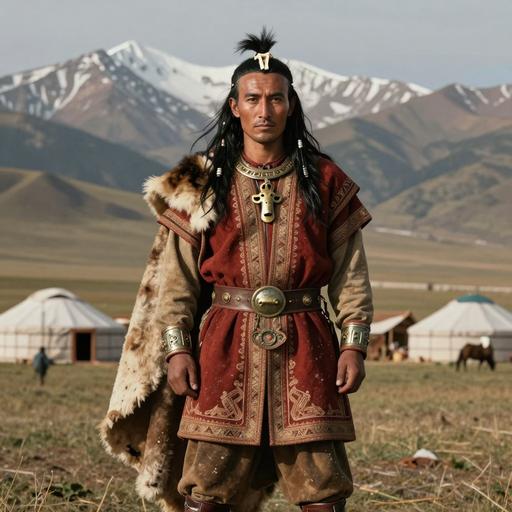
Portrait of ancient individual DA73 from Kyrgyzstan, dated 236 CE - 421 CE
DA73
Kyrgyzstan The Hun Period in Kyrgyzstan 236 CE - 421 CE Hunnic Period G2a1 Direct
Portrait of ancient individual DA73 from Kyrgyzstan, dated 236 CE - 421 CE
DA73
Kyrgyzstan The Huns 236 CE - 421 CE G2a1 Direct
Portrait of ancient individual DA130 from Kazakhstan, dated 373 BCE - 171 BCE
DA130
Kazakhstan Tian Shan Saka Culture, Kazakhstan 373 BCE - 171 BCE Saka Culture G2a1 Direct
Portrait of ancient individual DA130 from Kazakhstan, dated 373 BCE - 171 BCE
DA130
Kazakhstan The Scythian and Saka Cultures 373 BCE - 171 BCE G2a1 Direct
Portrait of ancient individual BIY003 from Russia, dated 383 BCE - 202 BCE
BIY003
Russia Iron Age Sargat Culture, Russia 383 BCE - 202 BCE Sargat Culture G2a1 Direct
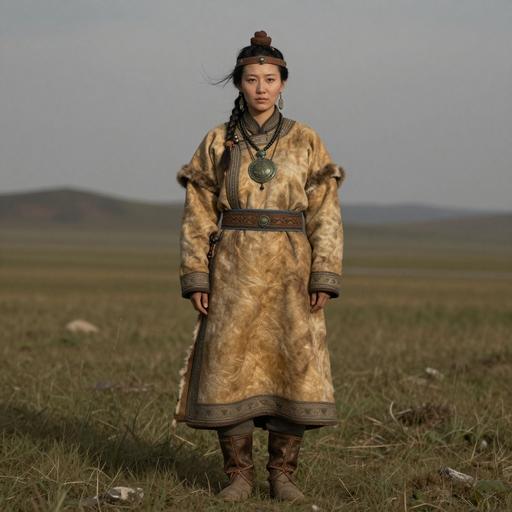
Portrait of ancient individual I13965 from Mongolia, dated 396 BCE - 210 BCE
I13965
Mongolia Early Iron Age 5 Mongolia 396 BCE - 210 BCE Early Mongolian Iron Culture G2a1 Direct
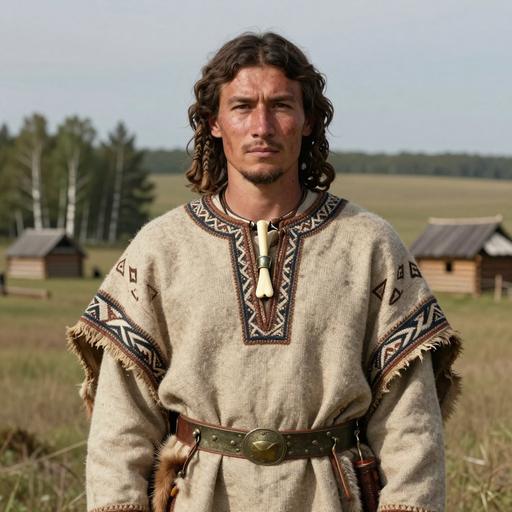
Portrait of ancient individual RKC039 from Hungary, dated 650 CE - 900 CE
RKC039
Hungary Middle Avar Period Hungary 650 CE - 900 CE Avar Culture G2a1 Direct
Portrait of ancient individual RKC021 from Hungary, dated 671 CE - 772 CE
RKC021
Hungary Middle to Late Avar Period 671 CE - 772 CE Avar G2a1 Direct
Portrait of ancient individual TCS-2 from Hungary, dated 706 CE - 878 CE
TCS-2
Hungary Conqueror Elite Hungary 706 CE - 878 CE Magyar Elite Culture G2a1 Direct
Chapter VI

Carrier Distribution Map

Geographic distribution of 33 ancient DNA samples (direct and subclade carriers of G2A1)

Direct carrier Subclade carrier
Time Period Filter
All Time Periods
Showing all samples
Chapter VII

Temporal Distribution

Distribution of carriers across archaeological periods

Chapter VIII

Geographic Distribution

Distribution by country of origin (direct and subclade carriers shown by default)

Chapter IX

Country × Era Distribution

Cross-tabulation of carrier countries and archaeological periods (direct and subclade carriers shown by default)

Data

Data & Provenance

Source information and data quality

Last Updated 2026-02-16
Confidence Score 50/100
Coverage Low
Data Source

We use the latest phylotree for MTDNA haplogroup classification and data.