Menu
mtDNA Haplogroup • Maternal Lineage

J2B1A2

mtDNA Haplogroup J2B1A2

~8,000 years ago
Near East
2 subclades
Scroll to explore
Chapter I

The Story

The journey of mtDNA haplogroup J2B1A2

Origins and Evolution

mtDNA haplogroup J2B1A2 is a downstream branch of J2B1A, itself a sublineage of haplogroup J2B. The broader J2B family has a Near Eastern/Levantine origin in the early Holocene associated with expansions of populations carrying maternal lineages that contributed to the Neolithic farming spread. Based on the phylogenetic position of J2B1A2 below J2B1A and calibration of mtDNA molecular clocks for similar J-lineage splits, a plausible coalescence time for J2B1A2 is in the mid-late Holocene (several thousand years after the parental node), here estimated at approximately 7.5 kya, though confidence intervals around this estimate can be broad given limited sampling and mutation-rate uncertainty.

Subclades

J2B1A2 is defined by a set of private mutations downstream of J2B1A. As a relatively deep but low-frequency branch, it has few widely recognized downstream subclades in the published literature; many internal branches remain sparsely sampled and may be resolved only with full mitogenomes. The presence of J2B1A2 in 12 ancient DNA samples in curated databases indicates it was present in archaeological contexts across the Mediterranean and adjacent regions, but modern sampling suggests limited diversification compared with more common mtDNA clades.

Geographical Distribution

Modern and ancient DNA evidence places J2B1A2 primarily in the Mediterranean/Near Eastern sphere with lower frequency occurrences beyond:

  • Southern Europe and Mediterranean islands: Represents the largest proportion of contemporary detections in Europe, consistent with Neolithic and later maritime connectivity.
  • Anatolia and the Levant: Reflects the haplogroup's Near Eastern origin and role in early farmer dispersals.
  • North African coastal zones: Likely introduced by Mediterranean maritime contacts and overland Neolithic/Phoenician movements.
  • Caucasus and adjacent highlands: Pockets of presence consistent with long-term Near East–Caucasus interactions.
  • Central Asia: Scattered low-frequency occurrences, plausibly reflecting later eastward movements or limited gene flow.
  • Jewish populations: Observed at low frequencies in some Ashkenazi and Sephardi sample sets, reflecting Near Eastern maternal ancestry components and historical migrations.

The occurrence in ancient individuals across different periods underscores a long-standing but generally low-frequency presence in these regions rather than a major demographic replacement event.

Historical and Cultural Significance

J2B1A2's distribution pattern is concordant with Neolithic farmer expansions emanating from the Near East into the Mediterranean basin, where maternal lineages from the Levant/Anatolia became incorporated into emergent farming communities. Later cultural processes that likely influenced its distribution include:

  • Mediterranean Neolithic (Cardial/Impressed Ware) expansions: Maritime dispersal along the western Mediterranean coastlines would have transported Near Eastern maternal lineages into southern Europe and islands.
  • Bronze Age and Iron Age trade and colonization (including Phoenician and other seafaring networks): These episodes could account for coastal North African and Mediterranean island occurrences.
  • Historical population movements and diasporas: Small but detectable frequencies in Jewish diasporic groups and in the Caucasus reflect complex regional histories of migration, conversion and assimilation.

Because J2B1A2 is not highly frequent in any single modern population, its cultural signal is one of continuity and integration rather than being diagnostic of a single ancient culture.

Conclusion

mtDNA J2B1A2 is a Near Eastern-derived maternal lineage that illustrates the subtler phylogeographic signatures of the Neolithic and subsequent Mediterranean interactions. It persists at low-to-moderate frequencies across southern Europe, the Near East, parts of North Africa and the Caucasus, and is occasionally detected in Central Asia and Jewish groups. Continued sampling of whole mitogenomes, especially from undersampled regions and archaeological contexts, will refine the substructure and timing of diversification within J2B1A2.

Key Points

  • Origins and Evolution
  • Subclades
  • Geographical Distribution
  • Historical and Cultural Significance
  • Conclusion
Chapter II

Tree & Relationships

Phylogenetic context and subclades

Evolution Path

This haplogroup's evolutionary journey from its earliest ancestor to the present.

Steps Haplogroup Age Estimate Archaeology Era Time Passed Immediate Descendants Tested Modern Descendants Ancient Connections
1 J2B1A2 Current ~8,000 years ago 🌾 Neolithic 7,500 years 2 4 0
2 J2B1A ~9,000 years ago 🌾 Neolithic 9,000 years 7 88 96
3 J2B1 ~10,000 years ago 🌾 Neolithic 10,000 years 6 98 0
4 J2B ~12,000 years ago 🌾 Neolithic 12,000 years 2 104 35
5 J2 ~30,000 years ago 🦴 Paleolithic 30,000 years 2 301 10
6 J ~45,000 years ago 🦴 Paleolithic 45,000 years 4 1,622 16
7 JT ~45,000 years ago 🦴 Paleolithic 45,000 years 2 3,237 1
8 N ~60,000 years ago 🦴 Paleolithic 60,000 years 15 15,452 13
9 L3 ~70,000 years ago 🦴 Paleolithic 70,000 years 11 17,621 6
10 L ~160,000 years ago 🦴 Paleolithic 160,000 years 7 18,987 5

Siblings (6)

Other branches from the same parent haplogroup

Chapter III

Where in the World

Geographic distribution and modern presence

Place of Origin

Near East

Modern Distribution

The populations where MTDNA haplogroup J2B1A2 is found include:

  1. European populations (particularly Southern Europe and Mediterranean islands)
  2. Middle Eastern populations (Anatolia, Levant)
  3. North African populations (coastal areas)
  4. Caucasus region populations
  5. Some populations in Central Asia
  6. Jewish populations (observed at low frequencies in some Ashkenazi and Sephardi groups)
CHAPTER IV

When in Time

Your haplogroup in the context of human history

~10k years ago

Neolithic Revolution

Agriculture begins, settled communities form

~7k years ago

Haplogroup J2B1A2

Your mtDNA haplogroup emerged in Near East

Near East
~5k years ago

Bronze Age

Metalworking, writing, and early civilizations

~3k years ago

Iron Age

Iron tools, expanded trade networks

~2k years ago

Classical Antiquity

Greek and Roman civilizations flourish

Present

Present Day

Modern era

Your Haplogroup
Historical Era
Chapter IV-B

Linked Cultures

Ancient cultures associated with mtDNA haplogroup J2B1A2

Cultural Heritage

These ancient cultures have been linked to haplogroup J2B1A2 based on matching ancient DNA samples from archaeological excavations. The presence of this haplogroup in these cultures provides insights into the migrations and population movements of populations carrying this haplogroup.

Anatolian Neolithic Baden Cardial Ware Dali Culture Early Bronze Age Iberian El Argar Iberian Neolithic Kairan Culture Portuguese Chalcolithic Swiss Early Bronze Swiss Neolithic Wartberg
Culture assignments are based on archaeological context of ancient DNA samples and may represent regional associations during specific time periods.
Chapter V

Sample Catalog

12 direct carriers and 10 subclade carriers of haplogroup J2B1A2

22 / 22 samples
Portrait Sample Country Era Date Culture mtDNA Match
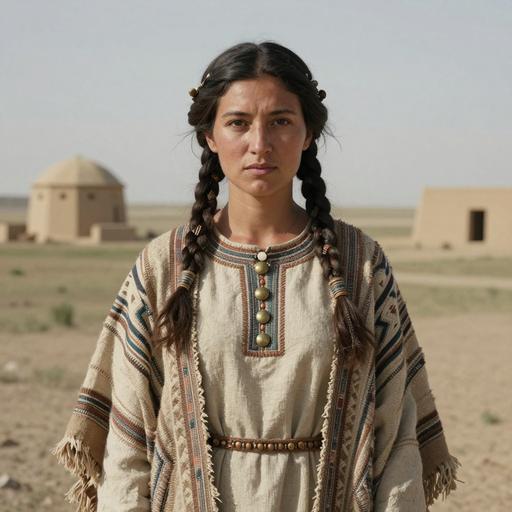
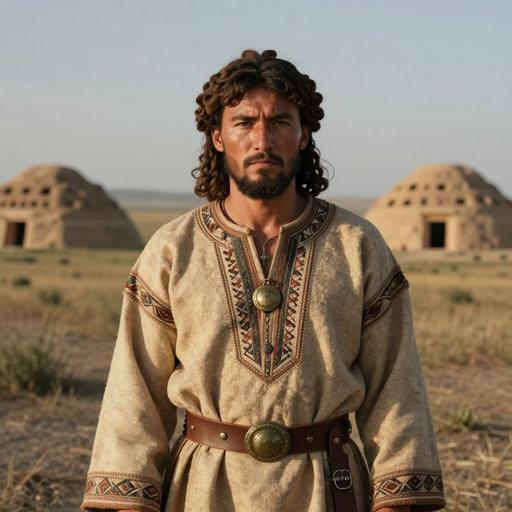
Portrait of ancient individual I1931 from Kazakhstan, dated 1496 BCE - 1298 BCE
I1931
Kazakhstan Mid-Late Bronze Dali 1496 BCE - 1298 BCE Dali Culture J2b1a2 Direct
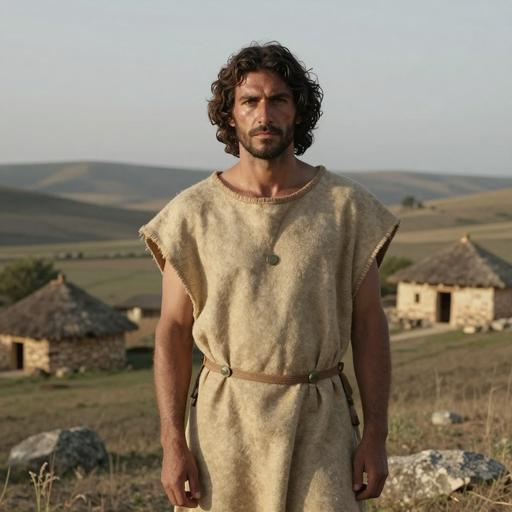
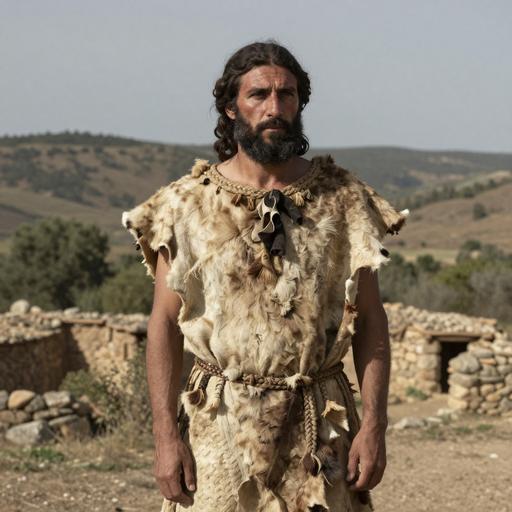
Portrait of ancient individual VAD005 from Spain, dated 1740 BCE - 1539 BCE
VAD005
Spain Early Bronze Age Spain 1740 BCE - 1539 BCE Early Bronze Age Iberian J2b1a2 Direct
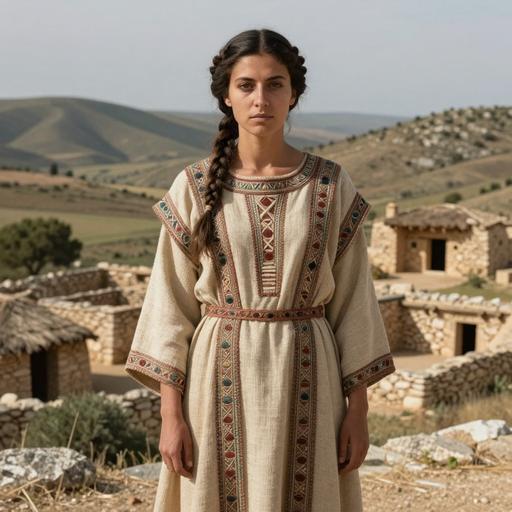
Portrait of ancient individual CMO003 from Spain, dated 1750 BCE - 1550 BCE
CMO003
Spain The Argaric Culture of Southeast Iberia 1750 BCE - 1550 BCE El Argar J2b1a2 Direct
Portrait of ancient individual I4318 from Kazakhstan, dated 1863 BCE - 1628 BCE
I4318
Kazakhstan Mid-Late Bronze Kairan 1863 BCE - 1628 BCE Kairan Culture J2b1a2 Direct
Portrait of ancient individual VAD002 from Spain, dated 1900 BCE - 1500 BCE
VAD002
Spain Early Bronze Age Spain 1900 BCE - 1500 BCE Early Bronze Age Iberian J2b1a2 Direct
Portrait of ancient individual RA54 from Switzerland, dated 2660 BCE - 2468 BCE
RA54
Switzerland Early Bronze Age 1 Switzerland 2660 BCE - 2468 BCE Swiss Early Bronze J2b1a2 Direct
Portrait of ancient individual Aes22 from Switzerland, dated 2892 BCE - 2677 BCE
Aes22
Switzerland Late Neolithic Switzerland 2892 BCE - 2677 BCE Swiss Neolithic J2b1a2 Direct
Portrait of ancient individual RA57 from Switzerland, dated 2906 BCE - 2706 BCE
RA57
Switzerland Late Neolithic Switzerland 2906 BCE - 2706 BCE Swiss Neolithic J2b1a2 Direct
Portrait of ancient individual KH150613_KH180043 from Germany, dated 3346 BCE - 3098 BCE
KH150613_KH180043
Germany Wartberg Culture 3346 BCE - 3098 BCE Wartberg J2b1a2 Direct
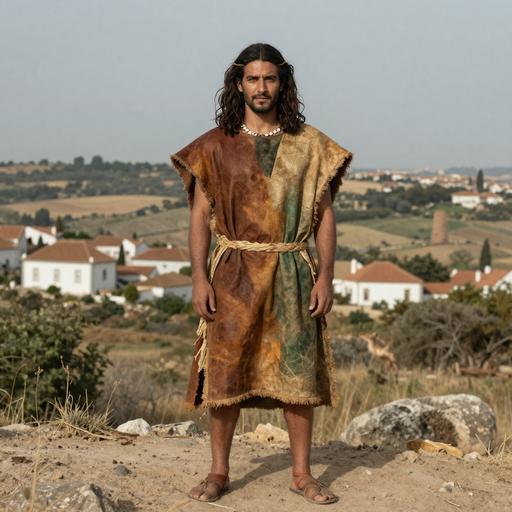
Portrait of ancient individual I11599 from Portugal, dated 3350 BCE - 2850 BCE
I11599
Portugal Chalcolithic Portugal 3350 BCE - 2850 BCE Portuguese Chalcolithic J2b1a2 Direct
Chapter VI

Carrier Distribution Map

Geographic distribution of 22 ancient DNA samples (direct and subclade carriers of J2B1A2)

Direct carrier Subclade carrier
Time Period Filter
All Time Periods
Showing all samples
Chapter VII

Temporal Distribution

Distribution of carriers across archaeological periods

Chapter VIII

Geographic Distribution

Distribution by country of origin (direct and subclade carriers shown by default)

Chapter IX

Country × Era Distribution

Cross-tabulation of carrier countries and archaeological periods (direct and subclade carriers shown by default)

Data

Data & Provenance

Source information and data quality

Last Updated 2026-02-16
Confidence Score 50/100
Coverage Low
Data Source

We use the latest phylotree for MTDNA haplogroup classification and data.