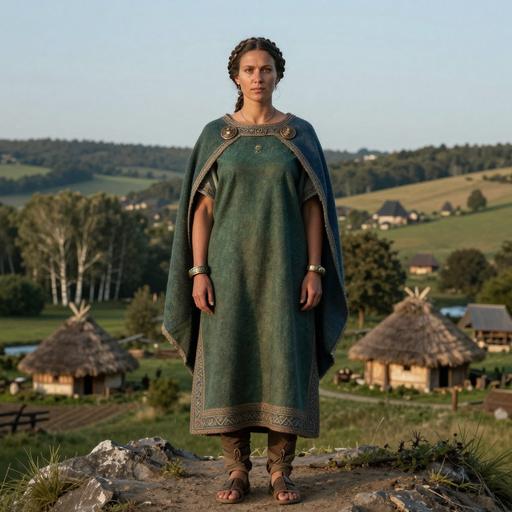
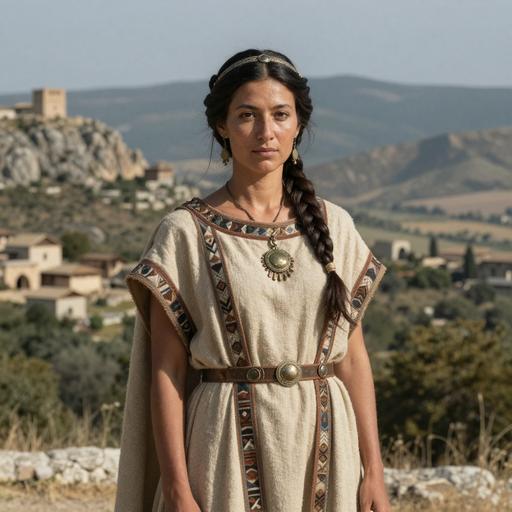
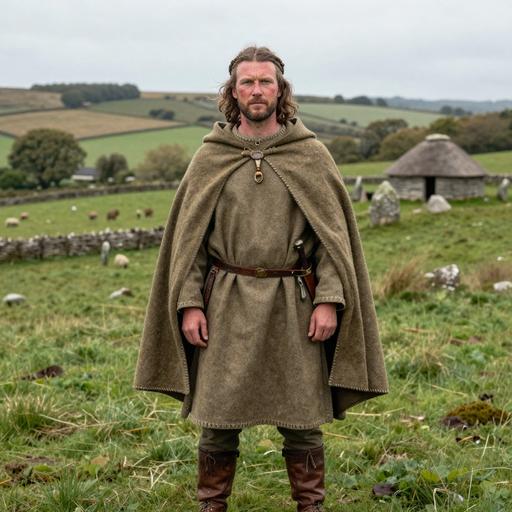
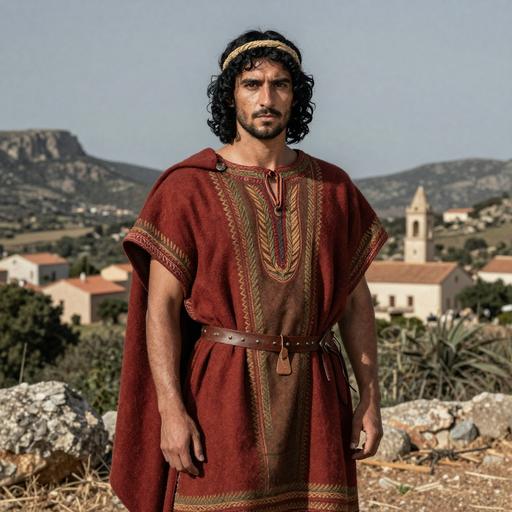
The Story
The journey of mtDNA haplogroup K1A3A
Origins and Evolution
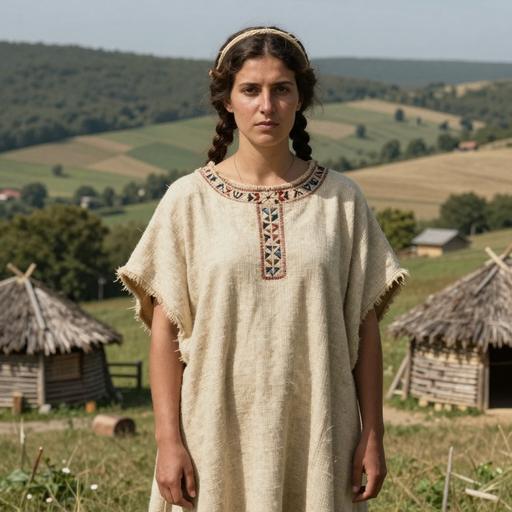
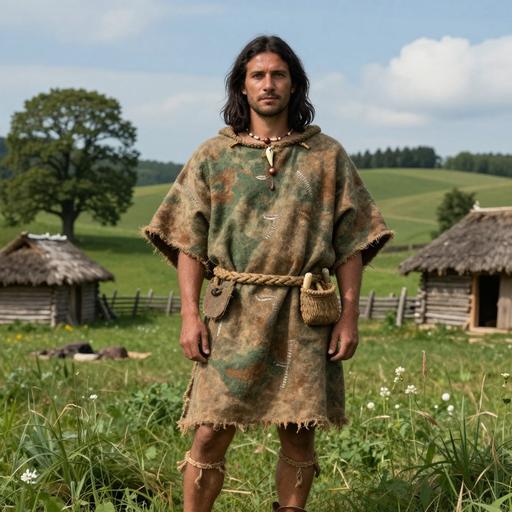
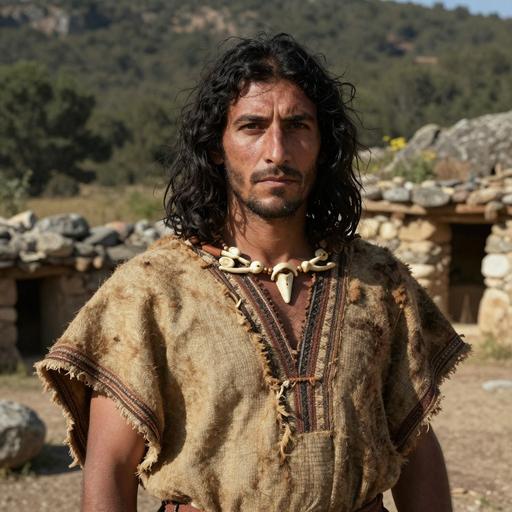
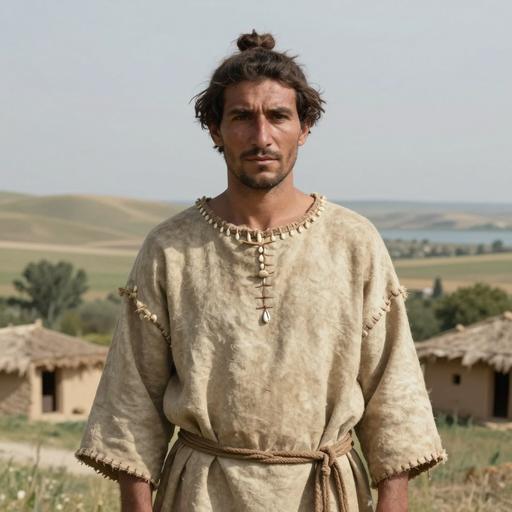
mtDNA haplogroup K1A3A derives from K1A3, itself a branch of haplogroup K which traces back to the post-glacial and early Holocene expansions out of the Near East. Based on the phylogenetic position of K1A3A under K1A3 and the known age of the parent clade (early Holocene, ~9 kya), K1A3A plausibly arose in Anatolia or the adjacent Levantine corridor roughly 7,000 years ago. The timing and phylogeographic placement are consistent with dispersal during the Neolithic transition when Anatolian/Levantine farming populations spread into southeastern and central Europe.
Ancient DNA from Neolithic and later contexts frequently recovers K lineages alongside other farmer-associated maternal haplogroups (for example J and T), supporting a model in which K1A3A represents one of several Near Eastern maternal lineages that became established in Europe during the Neolithic and persisted through later periods.
Subclades
K1A3A is an internal branch of K1A3 and, at high-resolution (full mitochondrial genomes), can show additional downstream variation. Some sequencing studies and genealogy datasets identify local sub-branches of K1A3A specific to regional populations (for example Mediterranean island clusters or lineages concentrated in Jewish communities). However, many of these downstream subclades remain incompletely sampled, and discovery of finer structure depends on broader full-mitogenome sampling across the Near East, Europe, and Jewish diaspora populations.
Geographical Distribution
K1A3A shows a distribution that reflects both the Neolithic dispersal of Near Eastern maternal lineages and later, region-specific founder events. The highest diversity and inferred origin are in Anatolia and the Levant, while modern and ancient occurrences extend into:
- Southern Europe (Italy, Greece, Iberia, Mediterranean islands such as Sardinia)
- Parts of Western and Northern Europe at lower frequencies, consistent with gene flow from Neolithic farmer-descended populations
- Caucasus and Iran/Levantine populations
- Ashkenazi Jewish communities, where some K1A3/K1A3A lineages were amplified by historical founder effects
- Low-level presence along North African Mediterranean coasts and in parts of Central Asia reflecting historical trade and movement
Ancient DNA finds of K1A3-related lineages in Neolithic archaeological contexts corroborate this picture of early farmer-mediated spread and later local continuity or enrichment.
Historical and Cultural Significance
Because K1A3A sits within a suite of maternal lineages associated with the Anatolian Neolithic expansion, it is informative for studies of the farming transition in Europe and subsequent demographic processes. In some populations, notably Ashkenazi Jewish groups, certain K1A sublineages (including branches of K1A3) have been identified at elevated frequencies, suggesting founder events and drift during community formation and diaspora history.
On Mediterranean islands and in isolated inland areas, K1A3A and closely related K lineages can reflect island/locale-specific founder effects and demographic continuity from the Neolithic or later migrations. In genetic genealogy, a match to K1A3A can indicate maternal ancestry tracing to the Near East/Anatolia or to communities shaped by Neolithic ancestry and later historical founder events.
Conclusion
K1A3A is a geographically informative maternal lineage that likely originated in the Near East/Anatolia in the early Holocene and spread into Europe with Neolithic farmers. Its modern distribution—across Anatolia, the Mediterranean, parts of Europe, the Caucasus and within some Jewish communities—reflects a mixture of ancient migration, local persistence, and later founder effects. Continued mitogenome sequencing and dense ancient DNA sampling will improve resolution of its internal structure and historical trajectories.
Key Points
- Origins and Evolution
- Subclades
- Geographical Distribution
- Historical and Cultural Significance
- Conclusion