Menu
mtDNA Haplogroup • Maternal Lineage

L4B2A2

mtDNA Haplogroup L4B2A2

~6,000 years ago
Horn / East Africa
2 subclades
Scroll to explore
Chapter I

The Story

The journey of mtDNA haplogroup L4B2A2

Origins and Evolution

mtDNA haplogroup L4B2A2 is a downstream subclade of L4B2A, itself nested within the broader L4 branch of macro-haplogroup L. Based on the phylogenetic position relative to L4B2A and the geographic distribution of related lineages, L4B2A2 most plausibly arose in the Horn/East Africa region during the mid-Holocene (several thousand years after the initial diversification of L4 lineages). Its emergence likely reflects local maternal-lineage differentiation within small, often mobile populations of hunter‑gatherers and early pastoralists.

Mutational differences that define L4B2A2 are limited in number, consistent with a relatively recent origin compared with deeper African mtDNA clades. The clade shows patterns expected from histories of genetic drift, local founder effects, and population structure in eastern Africa—regions characterized by varied subsistence strategies (foraging, mixed agro‑pastoralism, and later pastoral expansions).

Subclades (if applicable)

Sampling of L4B2A2 remains sparse in published datasets. Where additional internal variation exists it tends to appear as minor branches with restricted geographic or ethnic associations, rather than as widely distributed deep subclades. Given the limited number of ancient and high-coverage modern sequences assigned to L4B2A2, named downstream subclades (for example hypothetical L4B2A2a/L4B2A2b) remain poorly characterized and may appear as sequencing and sampling expand across East Africa.

Geographical Distribution

L4B2A2 is concentrated in eastern Africa, with the highest incidence found among populations in the Horn of Africa and adjacent East African groups. Recorded modern occurrences include hunter‑gatherer groups such as the Hadza and Sandawe of Tanzania, as well as Nilotic, Cushitic and other Horn populations (Oromo, Amhara, Somali) and some northeastern Sudanese/Nubian groups. Low-frequency occurrences appear in Kenyan pastoralist and forager communities and are detectable at very low levels in North Africa and the southern Arabian Peninsula. Small numbers of L4B2A2 haplotypes have also been identified in African‑descended populations in the Americas and the Caribbean, consistent with forced migration (the Atlantic slave trade) and subsequent admixture.

Two ancient DNA samples in available databases carry L4B2A2, confirming the haplogroup's presence in archaeological contexts and supporting continuity of certain maternal lineages in eastern Africa through the Holocene.

Historical and Cultural Significance

L4B2A2’s distribution closely tracks populations and subsistence transitions in eastern Africa. Its presence in both persistent hunter‑gatherer groups (Hadza, Sandawe) and in pastoralist or agro‑pastoralist communities indicates that this mtDNA lineage was part of the maternal gene pool before, during, and after the spread of pastoralism across parts of East Africa. Local demographic processes—such as founder effects associated with small group sizes, female-biased gene flow in some contexts, and founder events during local expansions—likely shaped the present-day frequency profile of L4B2A2.

In modern population genetics, L4B2A2 provides insight into maternal continuity and microevolutionary processes in eastern Africa rather than being a marker of a major transcontinental migration. Its low-frequency presence outside Africa documents historical dispersals of African maternal lineages through recent centuries.

Conclusion

L4B2A2 is a regionally informative maternal lineage tied to the Horn and East Africa, reflecting Holocene-era diversification of mtDNA within small, structured populations that include both hunter‑gatherers and pastoralists. Continued sampling, particularly of understudied eastern African populations and ancient remains, will improve resolution of L4B2A2’s internal structure, geographic history, and the timing of its spread.

Key Points

  • Origins and Evolution
  • Subclades (if applicable)
  • Geographical Distribution
  • Historical and Cultural Significance
  • Conclusion
Chapter II

Tree & Relationships

Phylogenetic context and subclades

Evolution Path

This haplogroup's evolutionary journey from its earliest ancestor to the present.

Steps Haplogroup Age Estimate Archaeology Era Time Passed Immediate Descendants Tested Modern Descendants Ancient Connections
1 L4B2A2 Current ~6,000 years ago 🪨 Chalcolithic 5,500 years 2 12 0
2 L4B2A ~8,000 years ago 🌾 Neolithic 8,000 years 2 14 6
3 L4B2 ~12,000 years ago 🌾 Neolithic 12,000 years 2 32 0
4 L4B ~40,000 years ago 🦴 Paleolithic 40,000 years 1 33 0
5 L4 ~90,000 years ago 🦴 Paleolithic 90,000 years 2 39 0
6 L ~160,000 years ago 🦴 Paleolithic 160,000 years 7 18,987 5

Siblings (1)

Other branches from the same parent haplogroup

Chapter III

Where in the World

Geographic distribution and modern presence

Place of Origin

Horn / East Africa

Modern Distribution

The populations where mtDNA haplogroup L4B2A2 is found include:

  1. Hadza (Tanzania)
  2. Sandawe (Tanzania)
  3. Oromo and Amhara (Horn of Africa / Ethiopia)
  4. Somali and other Horn populations
  5. Sudanese and Nubian groups (Northeastern Africa)
  6. Kenyan pastoralist and hunter-gatherer groups
  7. African-descended populations in the Americas and the Caribbean (low frequency due to diaspora)
  8. Small, low-frequency occurrences in North Africa and the southern Arabian Peninsula
CHAPTER IV

When in Time

Your haplogroup in the context of human history

~10k years ago

Neolithic Revolution

Agriculture begins, settled communities form

~5k years ago

Haplogroup L4B2A2

Your mtDNA haplogroup emerged in Horn / East Africa

Horn / East Africa
~5k years ago

Bronze Age

Metalworking, writing, and early civilizations

~3k years ago

Iron Age

Iron tools, expanded trade networks

~2k years ago

Classical Antiquity

Greek and Roman civilizations flourish

Present

Present Day

Modern era

Your Haplogroup
Historical Era
Chapter IV-B

Linked Cultures

Ancient cultures associated with mtDNA haplogroup L4B2A2

Cultural Heritage

These ancient cultures have been linked to haplogroup L4B2A2 based on matching ancient DNA samples from archaeological excavations. The presence of this haplogroup in these cultures provides insights into the migrations and population movements of populations carrying this haplogroup.

Elmenteitan Culture Jordanow-Michelsberg Culture Kansyore Culture Late Swahili LSA Kenya Lukenya Hill Culture Makwasinyi Modern Period Pastoral Neolithic Tanzanian Prehistoric Zanzibar Culture
Culture assignments are based on archaeological context of ancient DNA samples and may represent regional associations during specific time periods.
Chapter V

Sample Catalog

2 direct carriers and 7 subclade carriers of haplogroup L4B2A2

9 / 9 samples
Portrait Sample Country Era Date Culture mtDNA Match
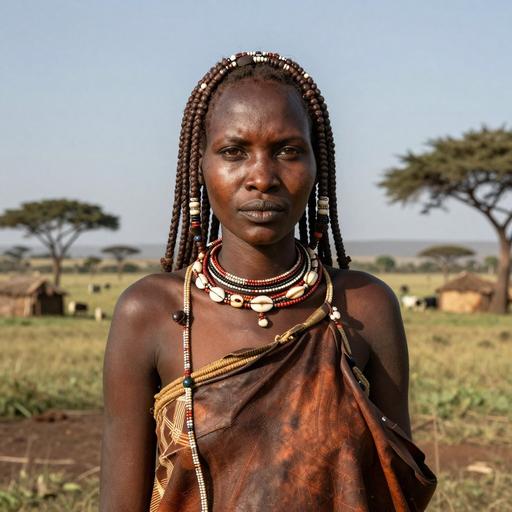
Portrait of ancient individual I0595 from Kenya, dated 1445 BCE - 1626 BCE
I0595
Kenya Kenya 400 Years Ago 1445 BCE - 1626 BCE Late Swahili L4b2a2 Direct
Portrait of ancient individual I0595 from Kenya, dated 1445 BCE - 1626 BCE
I0595
Kenya Medieval East Africa 1445 BCE - 1626 BCE L4b2a2 Direct
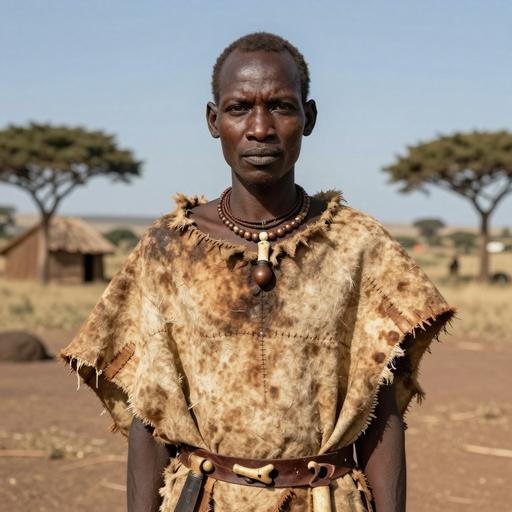
Portrait of ancient individual I8808 from Kenya, dated 84 BCE - 211 BCE
I8808
Kenya Late Stone Age in Kenya 84 BCE - 211 BCE LSA Kenya L4b2a2c Downstream
Portrait of ancient individual I8814 from Kenya, dated 541 BCE - 402 BCE
I8814
Kenya Pastoral Neolithic in Kenya 541 BCE - 402 BCE Pastoral Neolithic L4b2a2b Downstream
Portrait of ancient individual I0589 from Tanzania, dated 586 CE - 652 CE
I0589
Tanzania Zanzibar 1300 Years Before Present in Tanzania 586 CE - 652 CE Zanzibar Culture L4b2a2c Downstream
Portrait of ancient individual I0589 from Tanzania, dated 586 BCE - 652 BCE
I0589
Tanzania Ancient East Africa 586 BCE - 652 BCE L4b2a2c Downstream
Portrait of ancient individual I0589 from Tanzania, dated 586 BCE - 652 BCE
I0589
Tanzania Ancient East Africa 586 BCE - 652 BCE L4b2a2c Downstream
Portrait of ancient individual I8922 from Kenya, dated 800 BCE - 600 BCE
I8922
Kenya Pastoral Neolithic Elmenteitan in Kenya 800 BCE - 600 BCE Elmenteitan Culture L4b2a2c Downstream
Portrait of ancient individual LUK001 from Kenya, dated 1622 BCE - 1534 BCE
LUK001
Kenya Lukenya Hill Pastoral Neolithic in Kenya 1622 BCE - 1534 BCE Lukenya Hill Culture L4b2a2b Downstream
Chapter VI

Carrier Distribution Map

Geographic distribution of 9 ancient DNA samples (direct and subclade carriers of L4B2A2)

Direct carrier Subclade carrier
Time Period Filter
All Time Periods
Showing all samples
Chapter VII

Temporal Distribution

Distribution of carriers across archaeological periods

Chapter VIII

Geographic Distribution

Distribution by country of origin (direct and subclade carriers shown by default)

Chapter IX

Country × Era Distribution

Cross-tabulation of carrier countries and archaeological periods (direct and subclade carriers shown by default)

Data

Data & Provenance

Source information and data quality

Last Updated 2026-02-16
Confidence Score 50/100
Coverage Low
Data Source

We use the latest phylotree for MTDNA haplogroup classification and data.