Menu
mtDNA Haplogroup • Maternal Lineage

M9A1A1C1

mtDNA Haplogroup M9A1A1C1

~2,000 years ago
East Asia
1 subclades
Scroll to explore
Chapter I

The Story

The journey of mtDNA haplogroup M9A1A1C1

Origins and Evolution

mtDNA haplogroup M9A1A1C1 is a downstream branch of M9A1A1C, itself derived from the broader M9 lineage. Based on the position of M9A1A1C within the M9 phylogeny and the reported late-Holocene timing of the parent clade, M9A1A1C1 most likely arose in East Asia during the late Holocene (roughly within the last ~1,500–2,000 years). The lineage represents a localized maternal diversification event nested within populations that experienced post-glacial continuity in East and Northeast Asia, followed by additional dispersal associated with historic- and Iron-Age era movements.

Genetic characterizations place M9A1A1C1 as a relatively recent subclade with limited deep time depth compared with older pan-Eurasian mtDNA haplogroups. Its presence in both modern populations across East and adjacent Central Asia and in at least two ancient DNA samples in databases suggests persistence and mobility through the last two millennia.

Subclades

M9A1A1C1 is a terminal subclade in many reported samples; any further internal structure within C1 is expected to be low diversity and regionally restricted given the young time depth. As sequencing of additional mitogenomes proceeds, minor internal branches may be discovered that reflect local founder events in particular ethnic or geographic groups. Its parent clade, M9A1A1C, serves as the immediate phylogenetic context and contains the shared mutations that define this cluster of East Asian maternal lineages.

Geographical Distribution

Observed modern distributions are concentrated in East Asia, with additional low-to-moderate presence in Northeast Asia and portions of Central Asia and northern Southeast Asia. The lineage has been reported in:

  • Han Chinese (multiple regions)
  • Japanese
  • Korean
  • Tibetan and Tibetan-adjacent highland populations
  • Mongolian and Inner Asian groups
  • Central Asian groups such as Kazakh and Uyghur (typically low to moderate frequency)
  • Northern Southeast Asian groups (some Tai-Kadai and Austroasiatic samples at low frequency)
  • Sparse occurrences in Siberian and northeastern Eurasian hunter-gatherer groups

The geographic pattern suggests a primary East Asian origin with subsequent spread through trade, migration, and the movement of nomadic and agrarian populations during the Iron Age and historic periods. The detection in two ancient DNA samples supports archaeological presence in at least some past populations of the region, though the small ancient sample count means geographic inferences must remain cautious.

Historical and Cultural Significance

Because M9A1A1C1 is a late-Holocene lineage, its significance is primarily tied to historic era population dynamics rather than Paleolithic expansions. The haplogroup's distribution is consistent with demographic processes such as the expansion of Han-related populations, movements of Northeast Asian groups (including proto-Mongolic and Turkic-speaking steppe groups), and maritime/coastal interactions that connect East Asia with adjacent regions. Its presence among Tibetan-adjacent highland groups and Mongolian/Inner Asian populations also suggests assimilation or gene flow between agrarian lowland groups and highland or steppe communities.

The lineage can therefore serve as a marker for localized maternal ancestry in studies focused on recent (last 2,000 years) population structure, migration corridors across East-Central Asia, and historic-era admixture events, but it is not on its own diagnostic of any single archaeological culture.

Conclusion

M9A1A1C1 is a regionally restricted, late-Holocene maternal lineage that illustrates how the broader M9 family diversified within East Asia after the post-glacial period. Its modern distribution across Han, Japanese, Korean, Tibetan-adjacent, Mongolian and some Central and Southeast Asian groups, together with a small number of ancient DNA hits, point to a history of local differentiation plus later dispersals during Iron Age and historic-era movements. Continued mitogenome sequencing and targeted aDNA sampling in understudied parts of East-Central Asia will clarify its internal structure and finer-scale demographic history.

Key Points

  • Origins and Evolution
  • Subclades
  • Geographical Distribution
  • Historical and Cultural Significance
  • Conclusion
Chapter II

Tree & Relationships

Phylogenetic context and subclades

Evolution Path

This haplogroup's evolutionary journey from its earliest ancestor to the present.

Steps Haplogroup Age Estimate Archaeology Era Time Passed Immediate Descendants Tested Modern Descendants Ancient Connections
1 M9A1A1C1 Current ~2,000 years ago 🏰 Medieval 1,500 years 1 1 0
2 M9A1A1C ~2,000 years ago 🏛️ Roman Period 2,000 years 1 5 2
3 M9A1A1 ~4,000 years ago 🔶 Bronze Age 4,000 years 1 8 0
4 M9A1A ~6,000 years ago 🪨 Chalcolithic 6,000 years 2 13 6
5 M9A1 ~12,000 years ago 🌾 Neolithic 12,000 years 2 19 0
6 M9A ~22,000 years ago 🏹 Mesolithic 22,000 years 1 20 1
7 M9 ~30,000 years ago 🦴 Paleolithic 30,000 years 1 20 0
8 M ~60,000 years ago 🦴 Paleolithic 60,000 years 11 1,200 41
9 L3 ~70,000 years ago 🦴 Paleolithic 70,000 years 11 17,621 6
10 L ~160,000 years ago 🦴 Paleolithic 160,000 years 7 18,987 5
Chapter III

Where in the World

Geographic distribution and modern presence

Place of Origin

East Asia

Modern Distribution

The populations where mtDNA haplogroup M9A1A1C1 is found include:

  1. Han Chinese
  2. Japanese
  3. Korean
  4. Tibetan and Tibetan‑adjacent highland groups
  5. Mongolian and Inner Asian populations
  6. Central Asian groups (e.g., Kazakh, Uyghur — low to moderate frequency)
  7. Northern Southeast Asian populations (e.g., some Tai‑Kadai and Austroasiatic groups)
  8. Siberian and northeastern Eurasian hunter‑gatherer groups (low frequency)
  9. Regional minorities and isolated groups across East‑Central Asia
CHAPTER IV

When in Time

Your haplogroup in the context of human history

~10k years ago

Neolithic Revolution

Agriculture begins, settled communities form

~5k years ago

Bronze Age

Metalworking, writing, and early civilizations

~3k years ago

Iron Age

Iron tools, expanded trade networks

~2k years ago

Classical Antiquity

Greek and Roman civilizations flourish

~1k years ago

Haplogroup M9A1A1C1

Your mtDNA haplogroup emerged in East Asia

East Asia
Present

Present Day

Modern era

Your Haplogroup
Historical Era
Chapter IV-B

Linked Cultures

Ancient cultures associated with mtDNA haplogroup M9A1A1C1

Cultural Heritage

These ancient cultures have been linked to haplogroup M9A1A1C1 based on matching ancient DNA samples from archaeological excavations. The presence of this haplogroup in these cultures provides insights into the migrations and population movements of populations carrying this haplogroup.

Early Iron Age Culture Early Mongolian Iron Culture Gachong Culture Late Chalcolithic Culture Late Iron Age Culture Latuotanggu Culture Longsangquduo Culture Mebrak Culture Samdzong Culture Sukhbaatar Culture
Culture assignments are based on archaeological context of ancient DNA samples and may represent regional associations during specific time periods.
Chapter V

Sample Catalog

2 direct carriers and 21 subclade carriers of haplogroup M9A1A1C1

23 / 23 samples
Portrait Sample Country Era Date Culture mtDNA Match
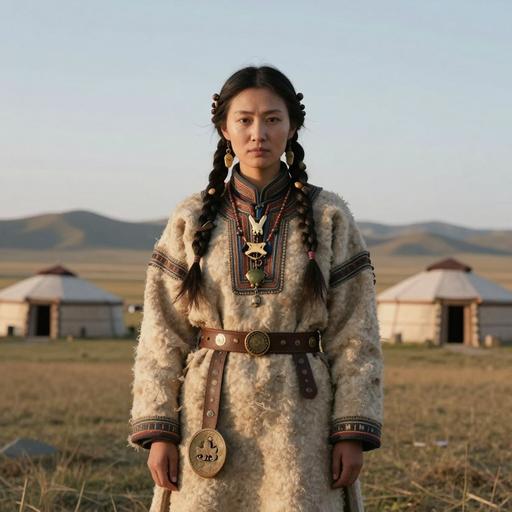
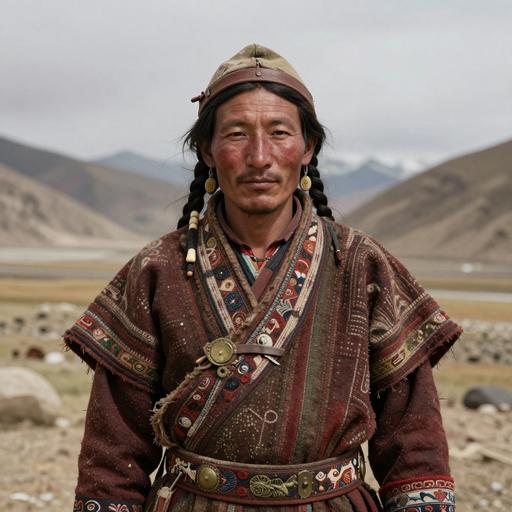
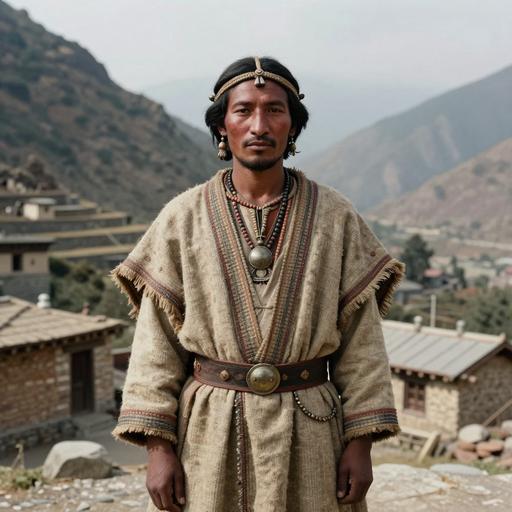
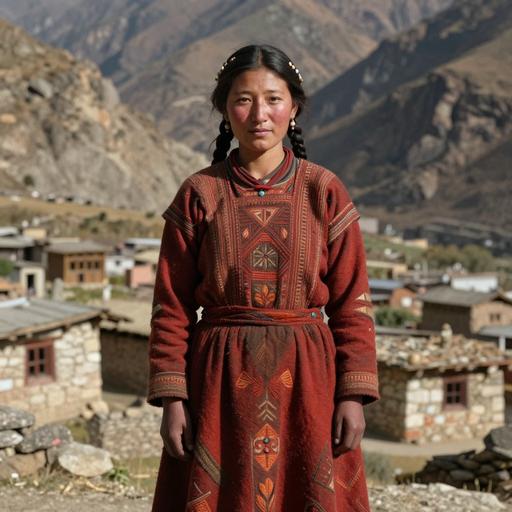
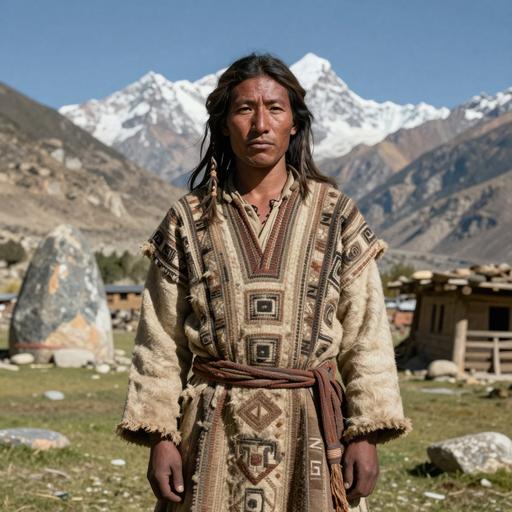
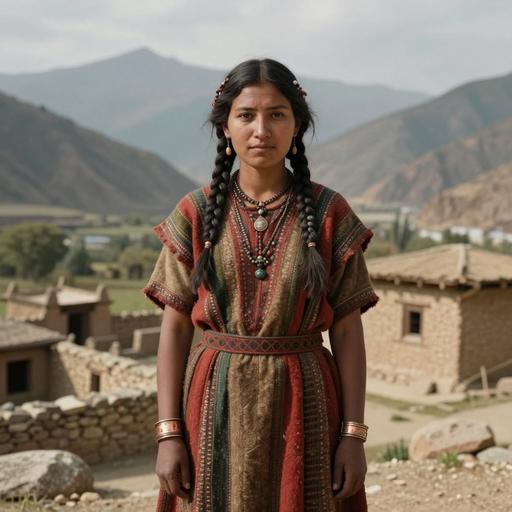
Portrait of ancient individual I6364 from Mongolia, dated 1043 BCE - 911 BCE
I6364
Mongolia Early Iron Age 2 Mongolia 1043 BCE - 911 BCE Early Mongolian Iron Culture M9a1a1c1 Direct
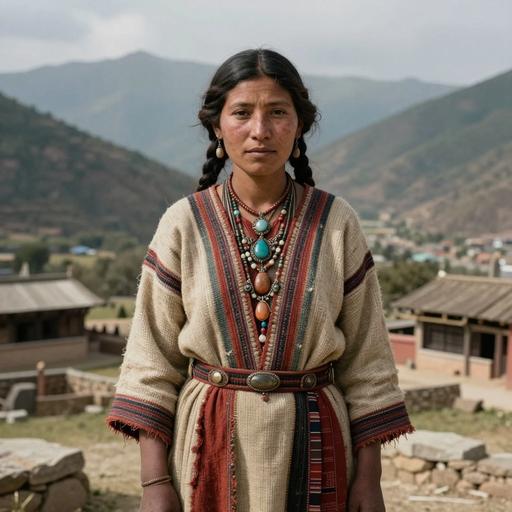
Portrait of ancient individual U2 from Nepal, dated 1550 BCE - 1325 BCE
U2
Nepal Late Chalcolithic Nepal 1550 BCE - 1325 BCE Late Chalcolithic Culture M9a1a1c1 Direct
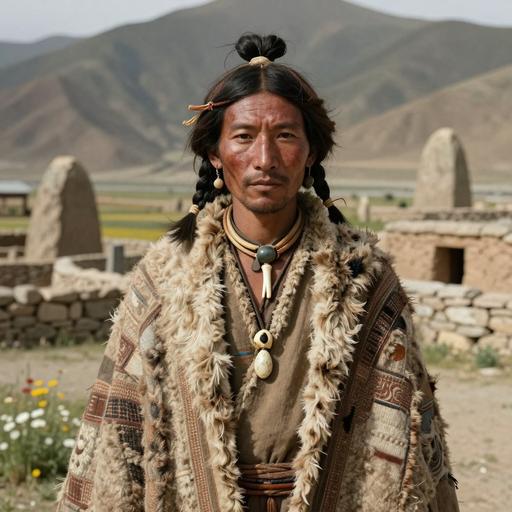
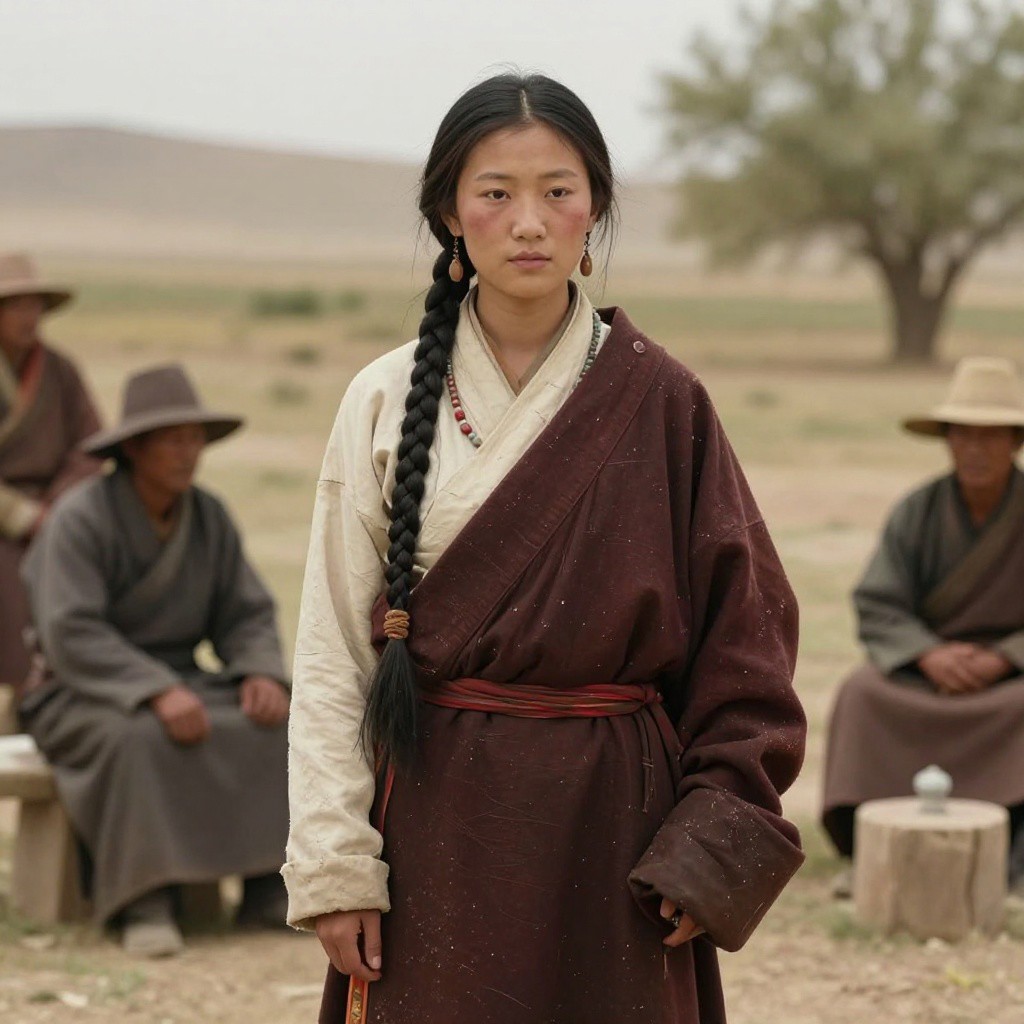
Portrait of ancient individual S10 from Nepal, dated 200 CE - 700 CE
S10
Nepal Samdzong 1500BP 200 CE - 700 CE Samdzong Culture M9a1a1c1b1a Downstream
Portrait of ancient individual S10 from Nepal, dated 200 CE - 700 CE
S10
Nepal Iron Age Tibet 200 CE - 700 CE M9a1a1c1b1a Downstream
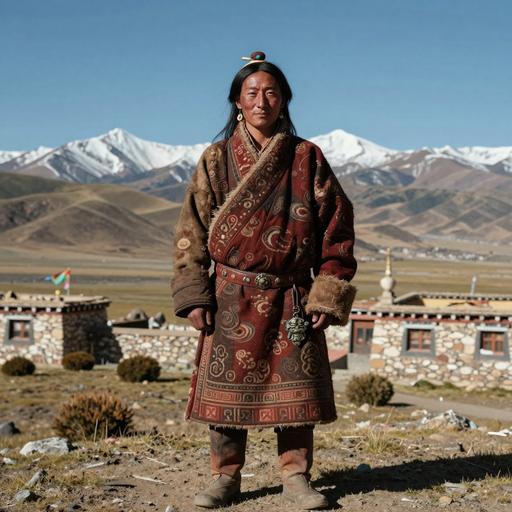
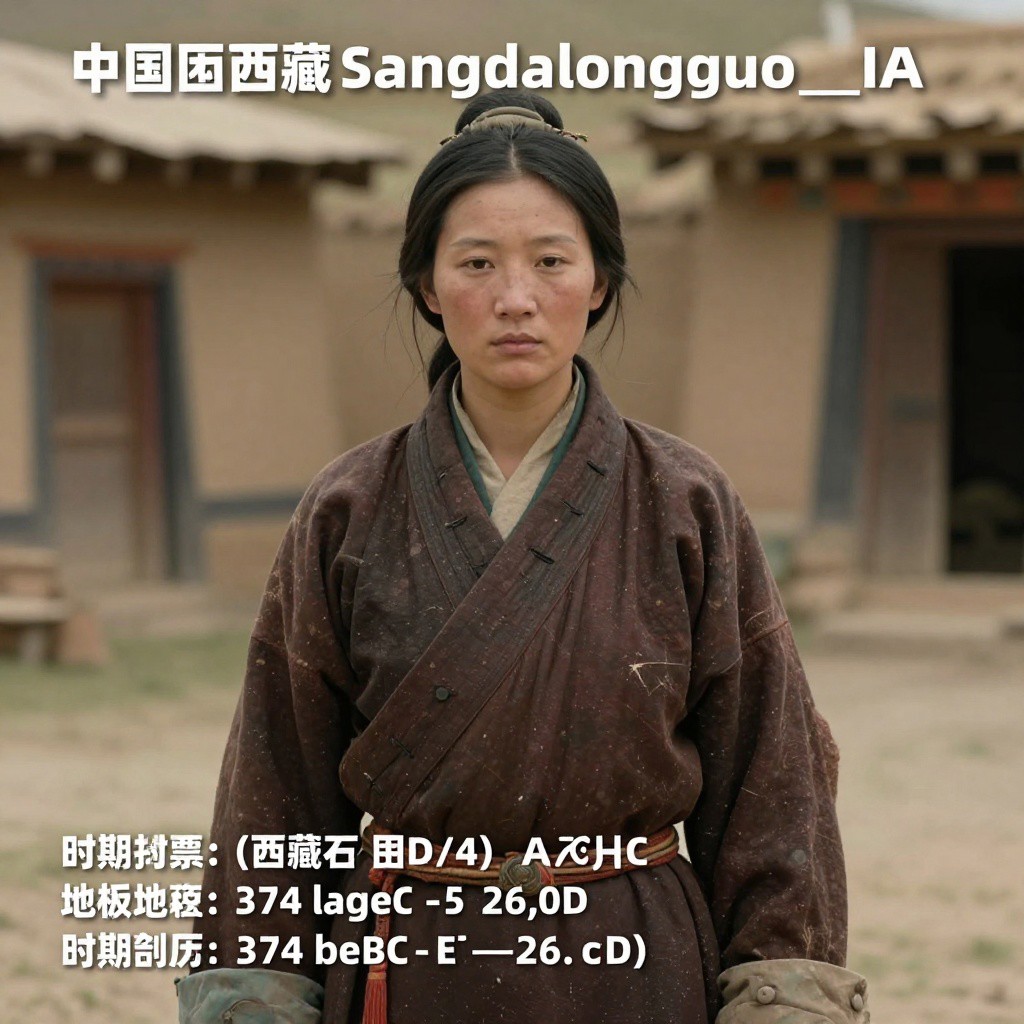
Portrait of ancient individual C5148 from China, dated 346 BCE - 51 BCE
C5148
China Tibetan Plateau Nudagang Culture 346 BCE - 51 BCE Nudagang Culture M9a1a1c1b1a Downstream
Portrait of ancient individual S10_S13 from Nepal, dated 350 CE - 1000 CE
S10_S13
Nepal Mustang Samdzong Middle Kingdoms 350 CE - 1000 CE Samdzong Culture M9a1a1c1b1a Downstream
Portrait of ancient individual S143_S173 from Nepal, dated 350 CE - 1000 CE
S143_S173
Nepal Mustang Samdzong Middle Kingdoms 350 CE - 1000 CE Samdzong Culture M9a1a1c1b1a Downstream
Portrait of ancient individual S18_S20_S21_S22 from Nepal, dated 350 CE - 1000 CE
S18_S20_S21_S22
Nepal Mustang Samdzong Middle Kingdoms 350 CE - 1000 CE Samdzong Culture M9a1a1c1b Downstream
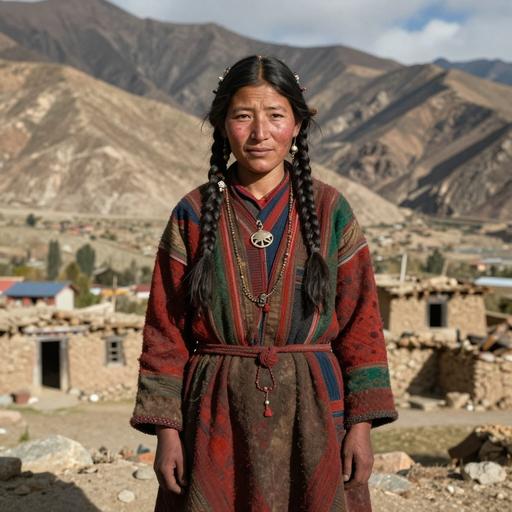
Portrait of ancient individual M63 from Nepal, dated 450 BCE - 100 CE
M63
Nepal Mebrak 2125BP 450 BCE - 100 CE Mebrak Culture M9a1a1c1b1a Downstream
Portrait of ancient individual M63 from Nepal, dated 450 BCE - 100 CE
M63
Nepal Iron Age Tibet 450 BCE - 100 CE M9a1a1c1b1a Downstream
Chapter VI

Carrier Distribution Map

Geographic distribution of 23 ancient DNA samples (direct and subclade carriers of M9A1A1C1)

Direct carrier Subclade carrier
Time Period Filter
All Time Periods
Showing all samples
Chapter VII

Temporal Distribution

Distribution of carriers across archaeological periods

Chapter VIII

Geographic Distribution

Distribution by country of origin (direct and subclade carriers shown by default)

Chapter IX

Country × Era Distribution

Cross-tabulation of carrier countries and archaeological periods (direct and subclade carriers shown by default)

Data

Data & Provenance

Source information and data quality

Last Updated 2026-02-16
Confidence Score 50/100
Coverage Low
Data Source

We use the latest phylotree for MTDNA haplogroup classification and data.