Menu
mtDNA Haplogroup • Maternal Lineage

U5B2A1A2

mtDNA Haplogroup U5B2A1A2

~6,000 years ago
Western/Northern Europe
0 subclades
Scroll to explore
Chapter I

The Story

The journey of mtDNA haplogroup U5B2A1A2

Origins and Evolution

U5B2A1A2 is a downstream subclade within the broader U5 maternal lineage, one of the oldest and most characteristic mitochondrial haplogroups associated with European hunter-gatherers. The parent clade U5B2A1A has been placed in Western/Northern Europe with an estimated origin around ~7 kya; U5B2A1A2 likely arose later as a localized diversification of that lineage, on the order of ~5–6 kya based on phylogenetic branching and the downstream position within U5B2A1A. Like other U5 subclades, U5B2A1A2 represents a lineage with deep Paleolithic/Mesolithic roots in Europe but whose specific sub-branches formed and persisted through the later Holocene in particular regions.

Subclades (if applicable)

At present, U5B2A1A2 is a narrowly defined terminal subclade (a downstream branch of U5B2A1A). There are limited reported downstream subdivisions with robust sample support; most published datasets and public phylogenies treat U5B2A1A2 as a terminal or near-terminal lineage. Future ancient and modern mitogenomes may reveal further internal structure, but current evidence indicates low internal diversity consistent with a relatively recent and geographically restricted origin.

Geographical Distribution

Modern distribution: U5B2A1A2 is found at low to moderate frequencies in parts of Northern and Western Europe, with the strongest signals in Scandinavia and some continuity-prone groups (including reported occurrences among Sámi and northern Scandinavian populations). It also appears sporadically at very low frequencies in Central and Eastern Europe, and rare peripheral occurrences have been reported in datasets from Anatolia and North Africa—these are best interpreted as later dispersals or isolated gene flow events rather than evidence of a primary origin outside Europe.

Ancient DNA: This subclade has been identified in a limited number (~15) of ancient individuals in specialized databases, supporting continuity of U5-derived maternal ancestry in northern/western European archaeological contexts from the later Mesolithic/Neolithic into the Bronze Age and historical periods.

Historical and Cultural Significance

U5 and its subclades are strongly associated with pre-Neolithic and Mesolithic hunter-gatherer populations across Europe. For U5B2A1A2 specifically, the pattern is one of regional continuity rather than a hallmark of large demographic expansions: its presence in Scandinavia and among continuity-descended groups links it to localized maternal lineages that survived incoming Neolithic farmer and Bronze Age Steppe influences. Where it appears in later archaeological contexts (for example, in some Bronze Age or Iron Age samples), it typically reflects persistence of earlier maternal ancestry within admixed communities rather than being a driver of major migrations.

Conclusion

U5B2A1A2 exemplifies a narrowly distributed, low-frequency maternal lineage that derives from the ancient European U5 family and reflects regional continuity of hunter-gatherer-derived maternal ancestry in northern and western Europe. It is best interpreted as a later branching within a deeply rooted European clade, with a modest time depth (~5–6 kya) and limited geographic spread relative to broader U5 diversity. Ongoing ancient mitogenome sampling and high-resolution phylogenetic work may refine its internal structure and precise chronology, but current evidence supports its role as a continuity-prone lineage in Scandinavia and adjacent regions.

Key Points

  • Origins and Evolution
  • Subclades (if applicable)
  • Geographical Distribution
  • Historical and Cultural Significance
  • Conclusion
Chapter II

Tree & Relationships

Phylogenetic context and subclades

Evolution Path

This haplogroup's evolutionary journey from its earliest ancestor to the present.

Steps Haplogroup Age Estimate Archaeology Era Time Passed Immediate Descendants Tested Modern Descendants Ancient Connections
1 U5B2A1A2 Current ~6,000 years ago 🪨 Chalcolithic 5,500 years 0 3 0
2 U5B2A1A ~7,000 years ago 🌾 Neolithic 7,000 years 3 30 50
3 U5B2A1 ~10,000 years ago 🌾 Neolithic 10,500 years 2 48 0
4 U5B2A ~11,000 years ago 🌾 Neolithic 11,000 years 5 100 34
5 U5B2 ~12,000 years ago 🌾 Neolithic 12,000 years 5 290 0
6 U5b ~9,000 years ago 🌾 Neolithic 9,000 years 3 495 140
7 U ~46,000 years ago 🦴 Paleolithic 46,000 years 12 2,835 110
8 R ~60,000 years ago 🦴 Paleolithic 60,000 years 12 10,987 57
9 N ~60,000 years ago 🦴 Paleolithic 60,000 years 15 15,452 13
10 L3 ~70,000 years ago 🦴 Paleolithic 70,000 years 11 17,621 6
11 L ~160,000 years ago 🦴 Paleolithic 160,000 years 7 18,987 5

Subclades (0)

Terminal branch - no known subclades

Siblings (2)

Other branches from the same parent haplogroup

Chapter III

Where in the World

Geographic distribution and modern presence

Place of Origin

Western/Northern Europe

Modern Distribution

The populations where mtDNA haplogroup U5B2A1A2 is found include:

  1. Western European populations
  2. Northern European populations (including Scandinavian groups and Sámi)
  3. Central European populations (sporadic/low frequency)
  4. Eastern European populations (sporadic/low frequency)
  5. Scandinavian hunter-gatherer and continuity-descended groups
  6. Peripheral occurrences in North Africa and Anatolia (very low frequency, sporadic)
CHAPTER IV

When in Time

Your haplogroup in the context of human history

~10k years ago

Neolithic Revolution

Agriculture begins, settled communities form

~5k years ago

Haplogroup U5B2A1A2

Your mtDNA haplogroup emerged in Western/Northern Europe

Western/Northern Europe
~5k years ago

Bronze Age

Metalworking, writing, and early civilizations

~3k years ago

Iron Age

Iron tools, expanded trade networks

~2k years ago

Classical Antiquity

Greek and Roman civilizations flourish

Present

Present Day

Modern era

Your Haplogroup
Historical Era
Chapter IV-B

Linked Cultures

Ancient cultures associated with mtDNA haplogroup U5B2A1A2

Cultural Heritage

These ancient cultures have been linked to haplogroup U5B2A1A2 based on matching ancient DNA samples from archaeological excavations. The presence of this haplogroup in these cultures provides insights into the migrations and population movements of populations carrying this haplogroup.

Early Sarmatian Fatyanovo Hunnic Period Kairan Culture Saxon Culture Sintashta Culture Tasmola Culture Viking Culture Zevakinskiy Culture
Culture assignments are based on archaeological context of ancient DNA samples and may represent regional associations during specific time periods.
Chapter V

Sample Catalog

15 direct carriers of haplogroup U5B2A1A2

15 / 15 samples
Portrait Sample Country Era Date Culture mtDNA Match
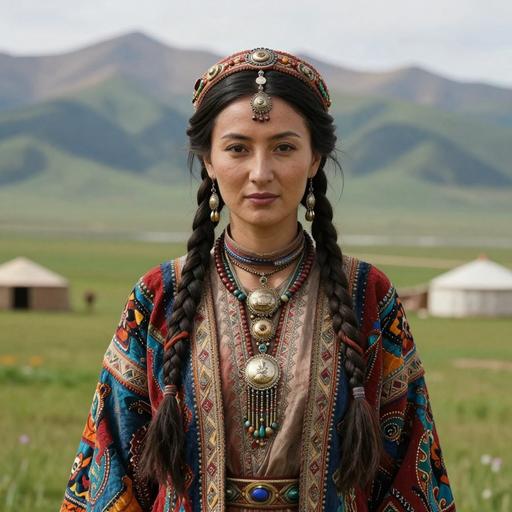
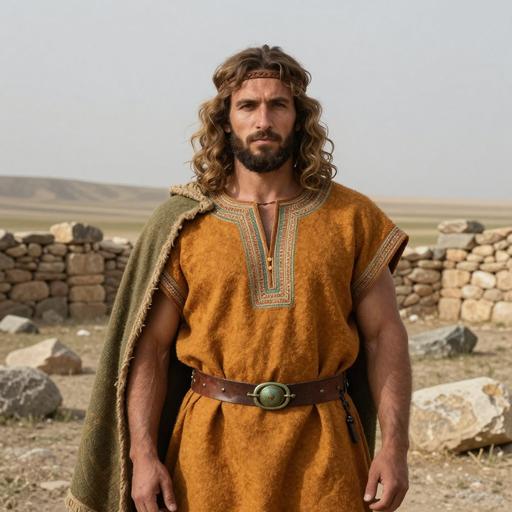
Portrait of ancient individual DA69 from Kyrgyzstan, dated 266 CE - 539 CE
DA69
Kyrgyzstan The Hun Period in Kyrgyzstan 266 CE - 539 CE Hunnic Period U5b2a1a2 Direct
Portrait of ancient individual DA69 from Kyrgyzstan, dated 266 CE - 539 CE
DA69
Kyrgyzstan The Huns 266 CE - 539 CE U5b2a1a2 Direct
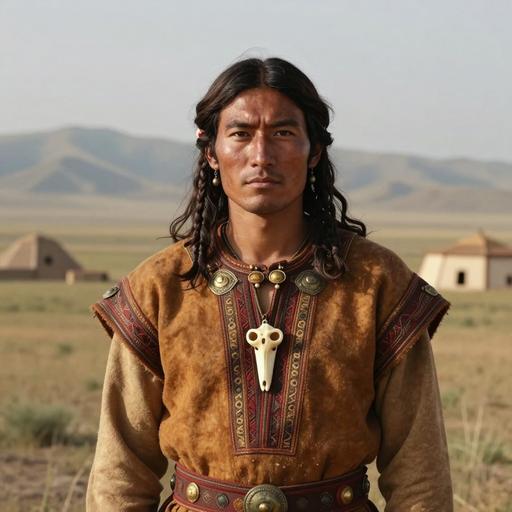
Portrait of ancient individual IND001 from Germany, dated 400 CE - 800 CE
IND001
Germany Saxon Early Medieval Alt Inden, Germany 400 CE - 800 CE Saxon Culture U5b2a1a2 Direct
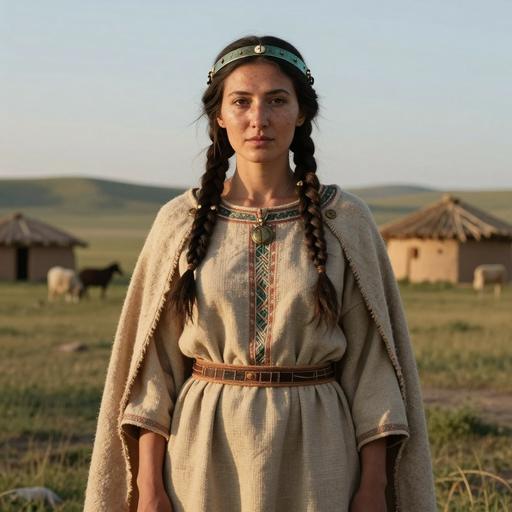
Portrait of ancient individual KSH003 from Kazakhstan, dated 700 BCE - 500 BCE
KSH003
Kazakhstan Early Iron Age Tasmola Culture, Kazakhstan 700 BCE - 500 BCE Tasmola Culture U5b2a1a2 Direct
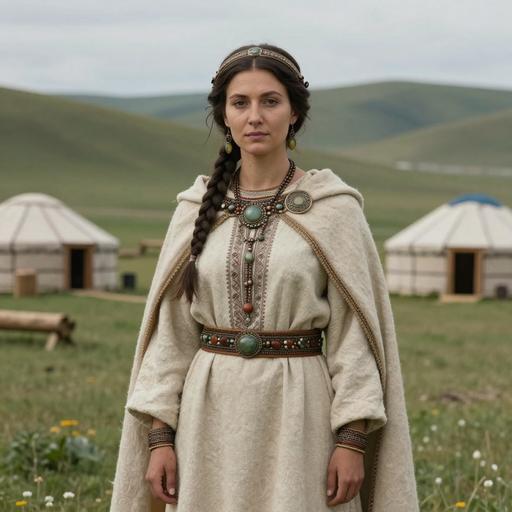
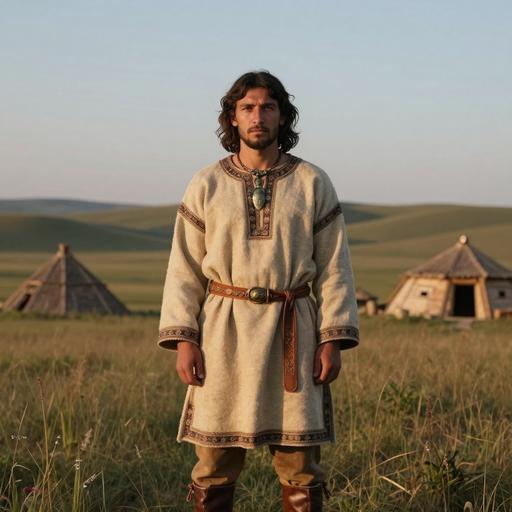
Portrait of ancient individual MJ-41 from Russia, dated 749 BCE - 399 BCE
MJ-41
Russia Early Sarmatian Culture, Southern Urals, Russia 749 BCE - 399 BCE Early Sarmatian U5b2a1a2 Direct
Portrait of ancient individual MJ-41 from Russia, dated 749 BCE - 399 BCE
MJ-41
Russia The Scythian and Sarmatian Cultures 749 BCE - 399 BCE U5b2a1a2 Direct
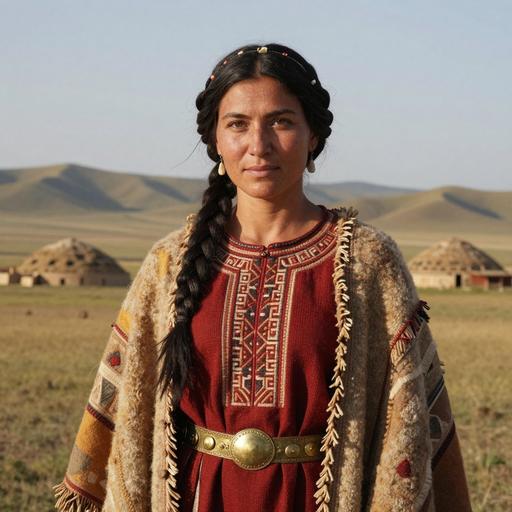
Portrait of ancient individual KSH001 from Kazakhstan, dated 781 BCE - 544 BCE
KSH001
Kazakhstan Early Iron Age Tasmola Culture, Kazakhstan 781 BCE - 544 BCE Tasmola Culture U5b2a1a2 Direct
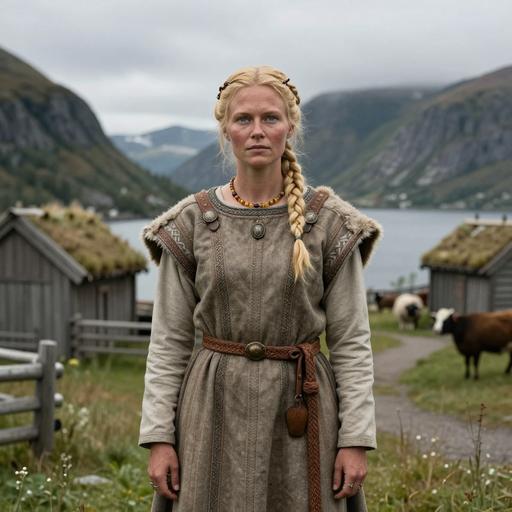
Portrait of ancient individual VK520 from Norway, dated 900 CE - 1000 CE
VK520
Norway Viking Age Norway 900 CE - 1000 CE Viking Culture U5b2a1a2 Direct
Portrait of ancient individual VK520 from Norway, dated 900 CE - 1000 CE
VK520
Norway The Viking Age 900 CE - 1000 CE U5b2a1a2 Direct
Portrait of ancient individual I3976 from Kazakhstan, dated 1196 BCE - 1010 BCE
I3976
Kazakhstan Late Bronze Zevakinskiy 1196 BCE - 1010 BCE Zevakinskiy Culture U5b2a1a2 Direct
Chapter VI

Carrier Distribution Map

Geographic distribution of 15 ancient DNA samples (direct and subclade carriers of U5B2A1A2)

Direct carrier
Time Period Filter
All Time Periods
Showing all samples
Chapter VII

Temporal Distribution

Distribution of carriers across archaeological periods

Chapter VIII

Geographic Distribution

Distribution by country of origin (direct and subclade carriers shown by default)

Chapter IX

Country × Era Distribution

Cross-tabulation of carrier countries and archaeological periods (direct and subclade carriers shown by default)

Data

Data & Provenance

Source information and data quality

Last Updated 2026-02-16
Confidence Score 50/100
Coverage Low
Data Source

We use the latest phylotree for MTDNA haplogroup classification and data.