Menu
Currency
mtDNA Haplogroup • Maternal Lineage

U5b

mtDNA Haplogroup U5b

~22,000 years ago
Western / Northern Europe
3 subclades
140 ancient samples
Scroll to explore
Chapter I

The Story

The journey of mtDNA haplogroup U5b

Origins and Evolution

mtDNA haplogroup U5b is a subclade of haplogroup U5 (within the broader U lineage) and sits beneath the parent node often described as U5A'B in phylogenies. U5 as a whole is one of the oldest European maternal lineages, arising during the Upper Paleolithic. U5b is generally estimated to have originated in the Late Upper Paleolithic to Last Glacial Maximum (LGM) interval, with commonly cited molecular-date estimates for U5b clustering around ~20–25 kya (we use ~22 kya here as a representative estimate). This timing and its phylogenetic placement imply that U5b diversified in populations that occupied European refugia during the LGM and later contributed to the post-glacial re-expansion of hunter-gatherer groups across Europe.

Subclades

U5b has multiple downstream subclades that show geographically structured distributions. Well-characterized branches include U5b1 (and derived branches such as U5b1b), U5b2, and other locale-specific sublineages defined in modern and ancient DNA studies. Some subclades (for example, U5b1b and its derivatives) are notably enriched in northern Fennoscandian and Saami groups, indicating strong founder effects and regional continuity in parts of northern Europe. Other U5b subclades are found among Mesolithic and later samples from western and southern Europe, reflecting survival in different refugia and subsequent local expansions.

Geographical Distribution

Modern and ancient DNA work show U5b as primarily a European lineage with highest frequencies in northern and parts of western Europe and detectable presence across much of the continent at lower frequencies. Ancient hunter-gatherer remains from Mesolithic sites across Scandinavia, the Baltic, western Europe (including Iberia and France), and central Europe often carry U5 lineages, including U5b, demonstrating its long-term presence among pre-Neolithic European populations. Low-frequency occurrences have also been reported in neighboring regions (e.g., the Caucasus and parts of the Near East), consistent with limited gene flow or later mobility.

Historical and Cultural Significance

U5b is frequently cited in studies of European population prehistory because it is emblematic of Paleolithic/Mesolithic hunter-gatherer maternal ancestry that predates the arrival of Neolithic farmers from Anatolia. The pattern of U5b—low to moderate frequencies across Europe but high local frequencies in northern pockets like the Saami and some Atlantic regions—matches archaeological scenarios of LGM refugia followed by re-expansion and localized continuity. While the spread of Neolithic farming substantially changed maternal haplogroup profiles across large parts of Europe (increasing lineages such as H, J, T, K), U5b persisted especially in regions where hunter-gatherer ancestry remained high or later admixed into farming populations. U5b lineages also appear sporadically in later archaeological contexts (including Bronze Age and culturally complex sites), reflecting the integration of hunter-gatherer-derived maternal lines into subsequent population structures.

Conclusion
As an intermediate branch beneath the U5 node, U5b provides an important genetic marker for tracing Late Pleistocene and early Holocene maternal ancestry in Europe. Its presence in Mesolithic remains and its persistence in several modern European populations make it a key lineage for reconstructing post-glacial demographic processes, refugial locations, and the interactions between indigenous hunter-gatherers and incoming farmers. Continued high-resolution sequencing and ancient DNA sampling refine the topology and timing of U5b subclades and improve understanding of regional demographic histories.

Key Points

  • Origins and Evolution
  • Subclades
  • Geographical Distribution
  • Historical and Cultural Significance
  • Conclusion

Chapter II

Tree & Relationships

Phylogenetic context and subclades

Evolution Path
This haplogroup's evolutionary journey from its earliest ancestor to the present.

Steps Haplogroup Age Estimate Archaeology Era Time Passed Immediate Descendants Tested Modern Descendants Ancient Connections
1 U5b Current ~22,000 years ago 🏹 Mesolithic 22,000 years 3 495 140
2 U5A'B 2 1,052 0
3 U5 ~35,000 years ago 🦴 Paleolithic 35,000 years 1 1,052 142
4 U ~46,000 years ago 🦴 Paleolithic 46,000 years 5 4,314 110
5 R ~55,000 years ago 🦴 Paleolithic 55,000 years 17 17,854 57
6 NA 1 17,854 0
7 N ~60,000 years ago 🦴 Paleolithic 60,000 years 16 20,371 13
8 L3 ~70,000 years ago 🦴 Paleolithic 70,000 years 7 23,542 6
9 L3'4 2 23,581 0
10 L3'4'6 2 23,584 0
11 L2'3'4'6 2 24,475 0
12 L2'3'4'5'6'7 2 24,488 0
13 L1'2'3'4'5'6'7 2 24,903 0
14 L ~160,000 years ago 🦴 Paleolithic 160,000 years 2 25,205 5

Siblings (1)

Other branches from the same parent haplogroup

Chapter III

Where in the World

Geographic distribution and modern presence
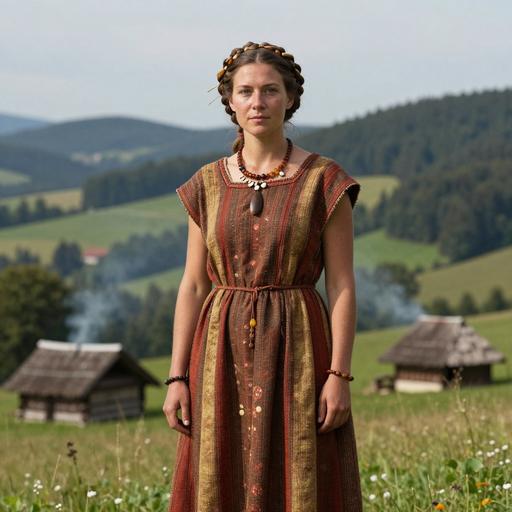
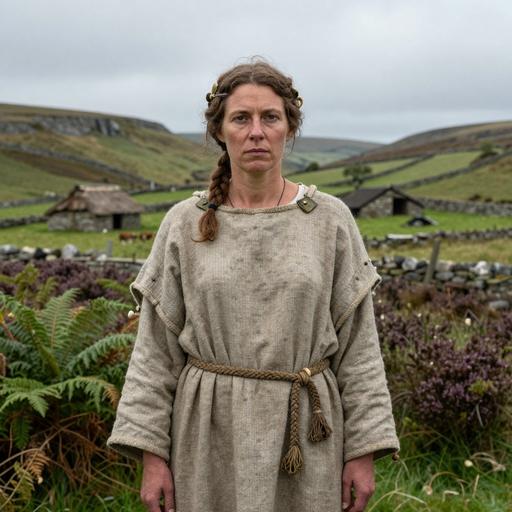
Place of Origin

Western / Northern Europe

Modern Distribution

The populations where mtDNA haplogroup U5b is found include:

  1. Saami (Northern Fennoscandia)
  2. Scandinavian populations (Norway, Sweden, Denmark)
  3. Baltic populations (Latvia, Lithuania, Estonia)
  4. Western Europeans (Iberia, France, British Isles)
  5. Southern European island populations (Sardinia, Corsica) at low-moderate frequencies
  6. Eastern European and Russian populations (various northern and central groups)
  7. Ancient Mesolithic hunter-gatherer remains across Europe
  8. Low-frequency occurrences in the Caucasus and Near East
CHAPTER IV

When in Time

Your haplogroup in the context of human history

~22k years ago

Haplogroup U5b

Your mtDNA haplogroup emerged in Western / Northern Europe

Western / Northern Europe
~20k years ago

Last Glacial Maximum

Peak of the last ice age, populations isolated

~10k years ago

Neolithic Revolution

Agriculture begins, settled communities form

~5k years ago

Bronze Age

Metalworking, writing, and early civilizations

~3k years ago

Iron Age

Iron tools, expanded trade networks

~2k years ago

Classical Antiquity

Greek and Roman civilizations flourish

Present

Present Day

Modern era

Your Haplogroup
Historical Era
Chapter IV-B

Linked Cultures

Ancient cultures associated with mtDNA haplogroup U5b

Cultural Heritage

These ancient cultures have been linked to haplogroup U5b based on matching ancient DNA samples from archaeological excavations. The presence of this haplogroup in these cultures provides insights into the migrations and population movements of populations carrying this haplogroup.

Baden Culture El Mirón Culture French Mesolithic Globular Amphora Mesolithic Iberian Mesolithic Welsh Culture Wartberg Welsh Neolithic
Culture assignments are based on archaeological context of ancient DNA samples and may represent regional associations during specific time periods.
Chapter V

Sample Catalog

13 direct carriers and 87 subclade carriers of haplogroup U5b

50 / 50 samples
Portrait Sample Country Era Date Culture mtDNA Match
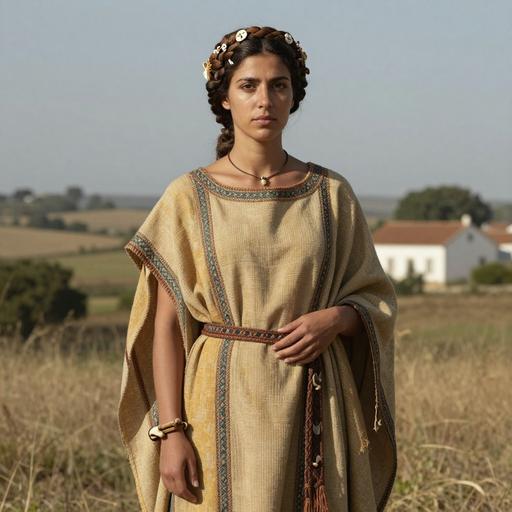
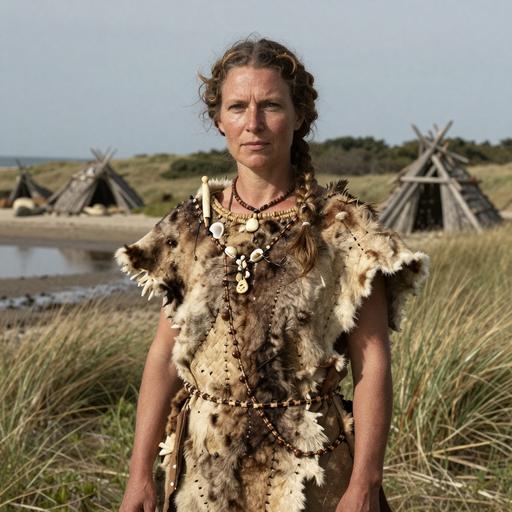
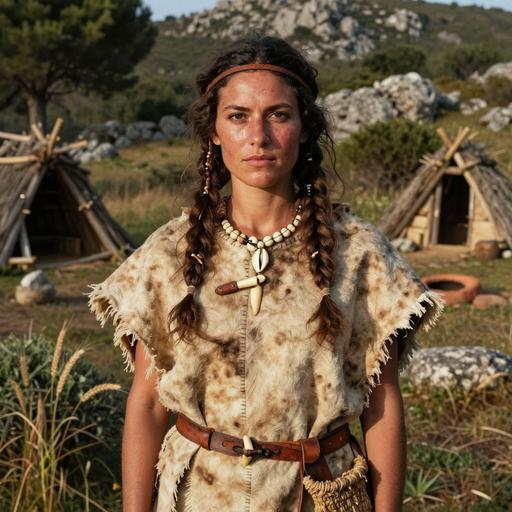
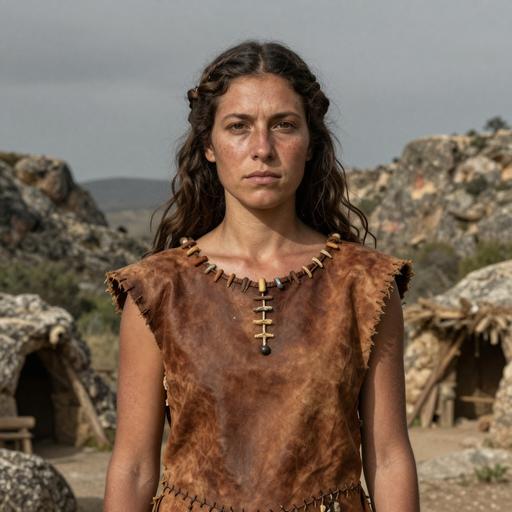
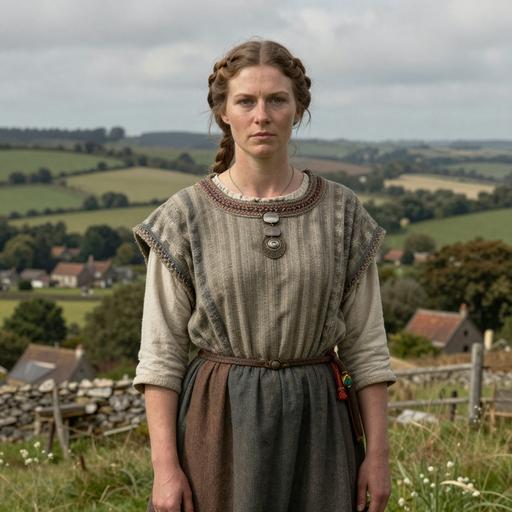
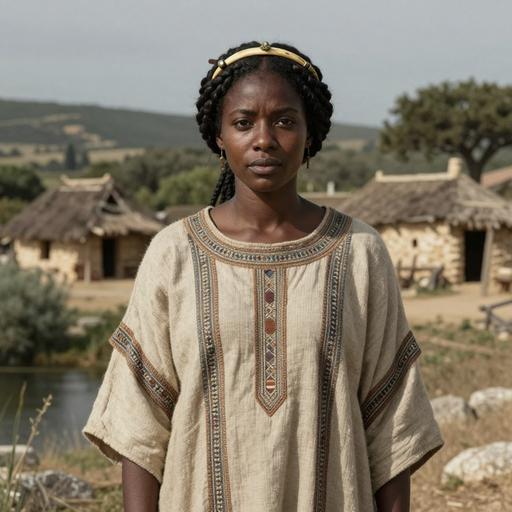
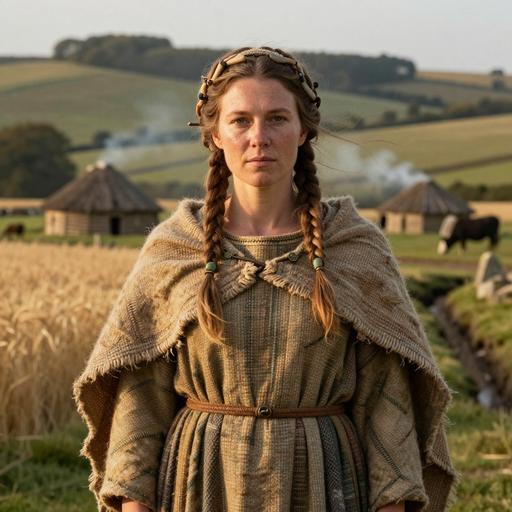
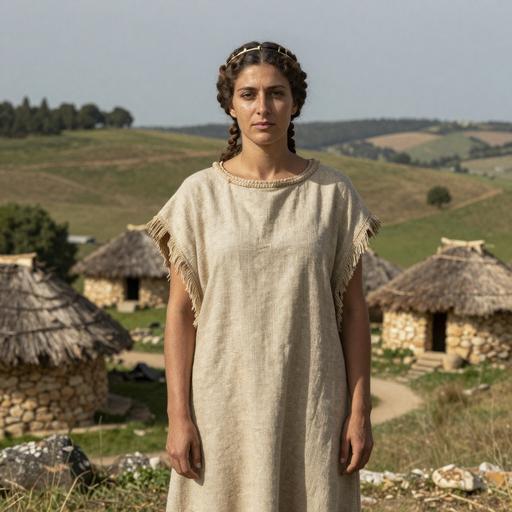
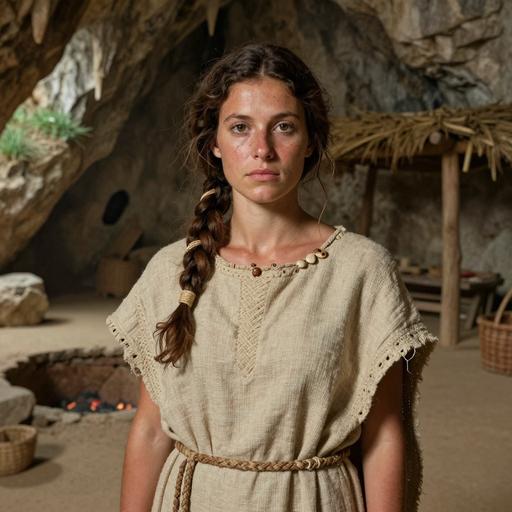
Portrait of ancient individual I8045 from Portugal, dated 1700 BCE - 1300 BCE
I8045
Portugal Middle Bronze Age Portugal 1700 BCE - 1300 BCE Portuguese Bronze U5b Direct
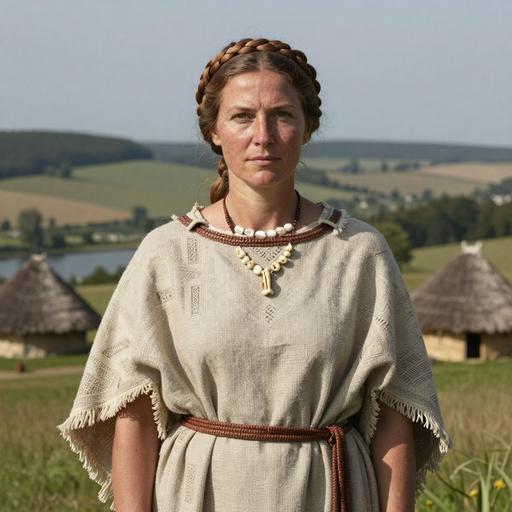
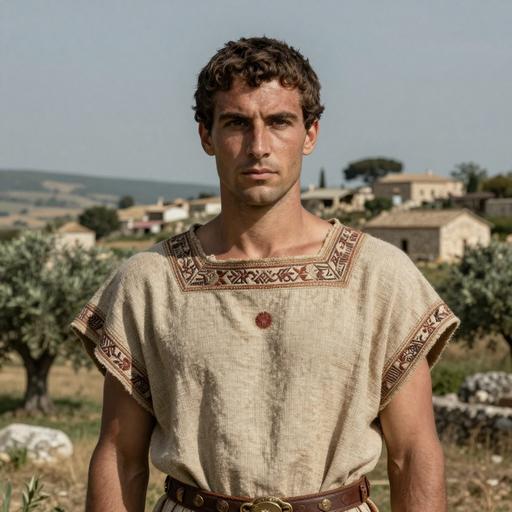
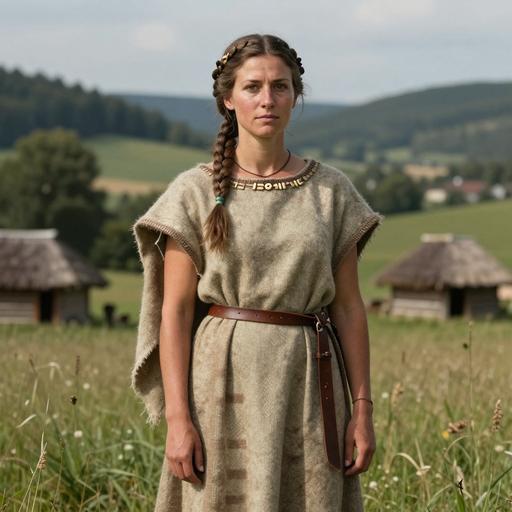
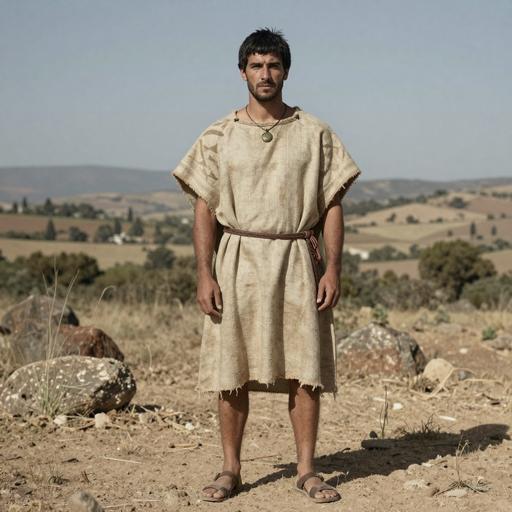
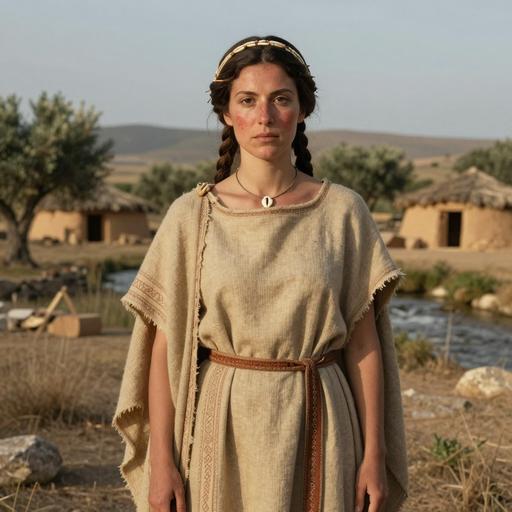
Portrait of ancient individual HOP002 from Czech Republic, dated 2334 BCE - 2140 BCE
HOP002
Czech Republic Bell Beaker Culture, Bohemia, Czech Republic 2334 BCE - 2140 BCE Bell Beaker U5b Direct
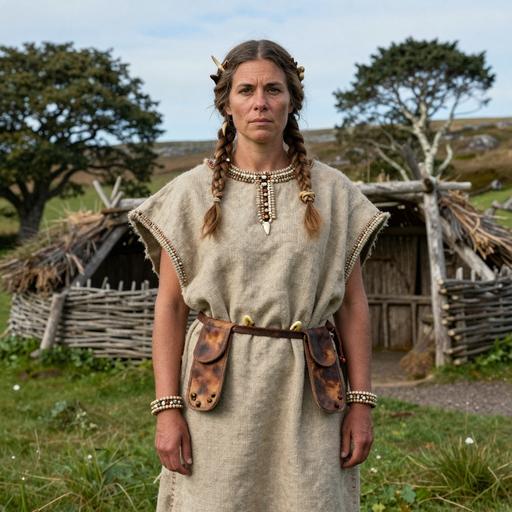
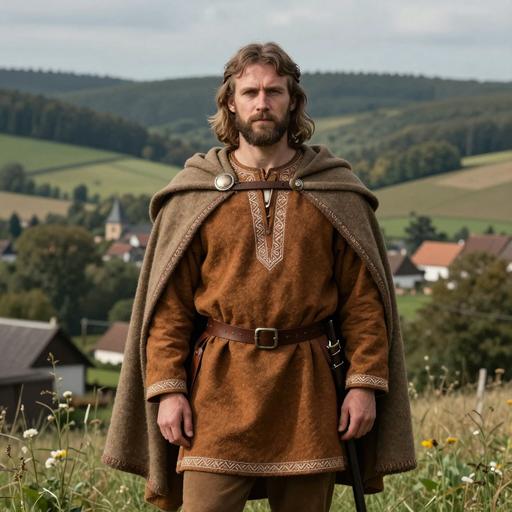
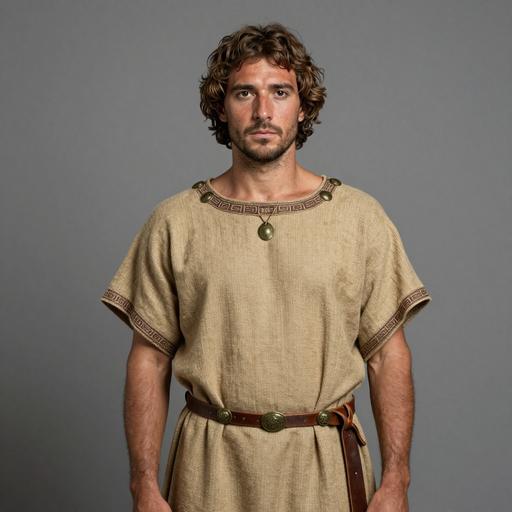
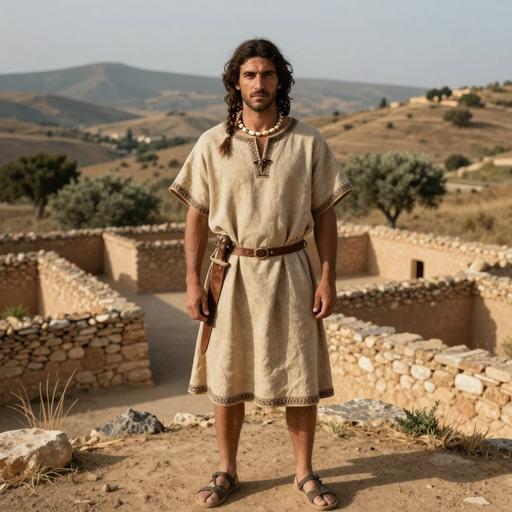
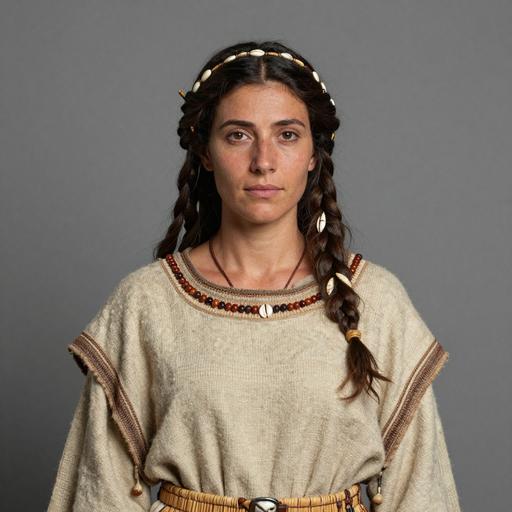
Portrait of ancient individual I5473 from United Kingdom, dated 2400 BCE - 2100 BCE
I5473
United Kingdom Early Bronze Age Scotland 2400 BCE - 2100 BCE Scottish Bronze Age U5b Direct
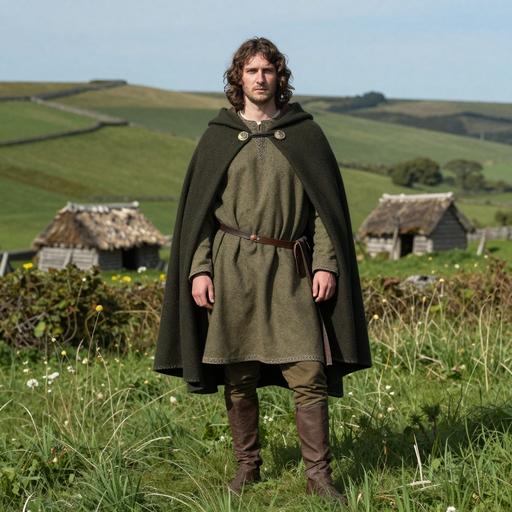
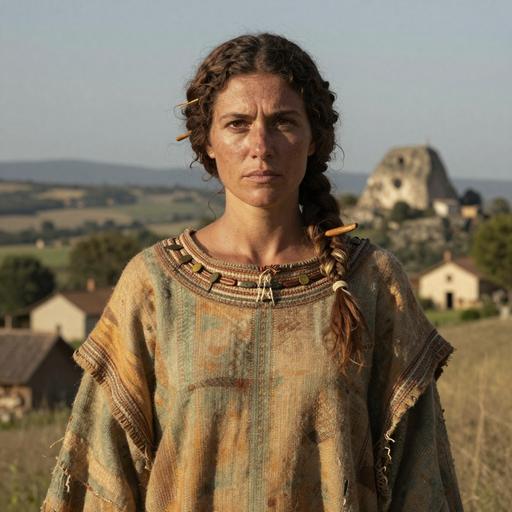
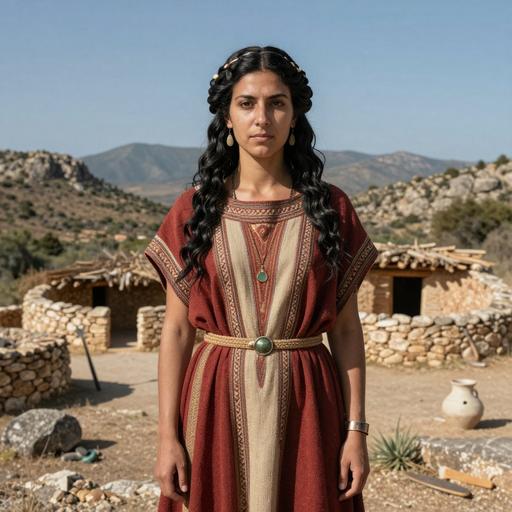
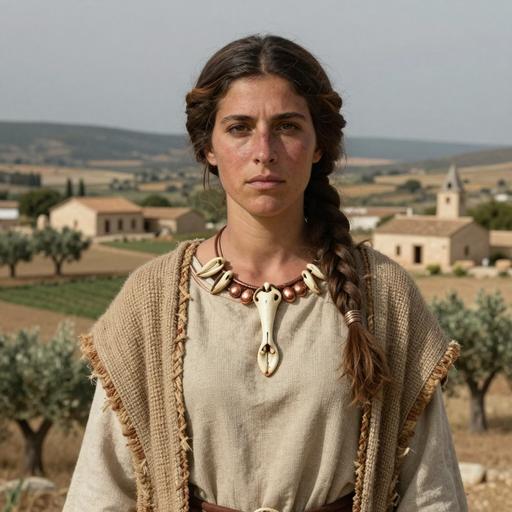
Portrait of ancient individual RISE1254 from Poland, dated 3100 BCE - 2450 BCE
RISE1254
Poland Globular Amphora Culture Wilczyce, Poland 3100 BCE - 2450 BCE Globular Amphora U5b Direct
Portrait of ancient individual I2368 from Hungary, dated 3300 BCE - 2850 BCE
I2368
Hungary Late Chalcolithic Baden Culture, Hungary 3300 BCE - 2850 BCE Baden Culture U5b Direct
Portrait of ancient individual KH150198 from Germany, dated 3500 BCE - 2800 BCE
KH150198
Germany Wartberg Culture 3500 BCE - 2800 BCE Wartberg U5b Direct
Portrait of ancient individual I3033 from United Kingdom, dated 3700 BCE - 3518 BCE
I3033
United Kingdom Neolithic Wales 3700 BCE - 3518 BCE Welsh Neolithic U5b Direct
Portrait of ancient individual hoe002 from France, dated 5359 BCE - 5211 BCE
hoe002
France Mesolithic France 5359 BCE - 5211 BCE French Mesolithic U5b Direct
Portrait of ancient individual hoe001 from France, dated 5375 BCE - 5054 BCE
hoe001
France Mesolithic France 5375 BCE - 5054 BCE French Mesolithic U5b Direct
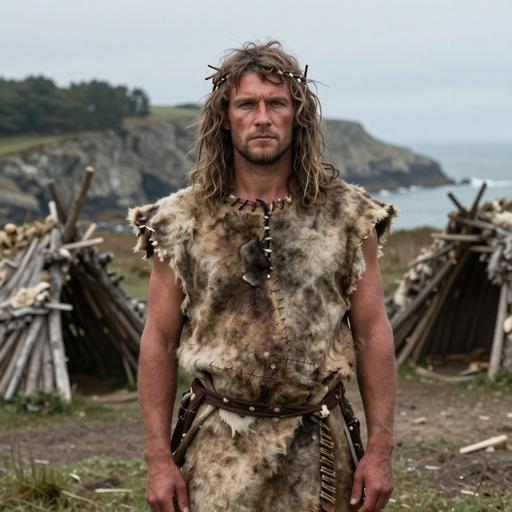
Portrait of ancient individual tev001 from France, dated 5513 BCE - 5235 BCE
tev001
France Mesolithic France 5513 BCE - 5235 BCE French Mesolithic U5b Direct
Chapter VI

Carrier Distribution Map

Geographic distribution of 100 ancient DNA samples (direct and subclade carriers of U5b)

Direct carrier Subclade carrier
Time Period Filter
All Time Periods
Showing all samples
Chapter VII

Temporal Distribution

Distribution of carriers across archaeological periods

Chapter VIII

Geographic Distribution

Distribution by country of origin (direct and subclade carriers shown by default)

Chapter IX

Country × Era Distribution

Cross-tabulation of carrier countries and archaeological periods (direct and subclade carriers shown by default)

Data

Data & Provenance

Source information and data quality

Last Updated 2026-06-14
Data Source

We use the latest phylotree for MTDNA haplogroup classification and data.