Menu
Y-DNA Haplogroup • Paternal Lineage

P

P (K2b2)

Y-DNA Haplogroup P

~35,000 years ago
Southeast Asia
2 subclades
19 ancient samples
Scroll to explore
Chapter I

The Story

The journey of Y-DNA haplogroup P

Y-DNA haplogroup P is an ancient paternal lineage that has played a crucial role in the genetic history of populations across Eurasia, particularly in South Asia, Central Asia, and the Americas. Haplogroup P is the precursor of two major Y-DNA haplogroups, Q and R, both of which are widely distributed in populations across Europe, Asia, and the Americas. Haplogroup P is a direct descendant of haplogroup K2b, a major branch of the broader haplogroup K.

Origins and Evolution

Haplogroup P is believed to have originated around 30,000 to 40,000 years ago, likely in Central or South Asia. It is defined by the mutation P295, which separates it from its sibling haplogroups within the broader K2b clade. Haplogroup P itself is rare today because its main significance lies in the fact that it is the ancestor of two of the most widely distributed haplogroups, Q and R. The emergence of haplogroup P was a key event in the peopling of Eurasia and the subsequent dispersal of human populations into the Americas.

Over time, haplogroup P gave rise to two major subclades: Q, which is predominantly found in the Americas, Central Asia, and Siberia, and R, which is common in Europe, South Asia, and parts of Central Asia. The spread of these subclades reflects some of the most important migration events in human history, including the peopling of the Americas and the expansion of Indo-European cultures in Europe and Asia.

Major Subclades of Haplogroup P

Haplogroup P is divided into two primary subclades, Q and R, each of which has a distinct geographical distribution and historical significance. These subclades are among the most widespread and influential Y-DNA haplogroups in the world today.

Haplogroup Q (Q-M242)

Haplogroup Q is one of the two main subclades of haplogroup P. It is most commonly found among Indigenous peoples of the Americas and populations in Central Asia and Siberia. Haplogroup Q played a crucial role in the early peopling of the Americas.

  • Q1a (Q-M120): Found in parts of Central Asia and Siberia, this subclade reflects the ancient migration patterns of human populations across northern Eurasia.

  • Q1b (Q-M25): This subclade is present in parts of Central Asia, the Middle East, and southern Europe, although it is much rarer than Q1a.

  • Q1a2 (Q-M3): Q-M3 is the most important subclade in the Americas, as it is the dominant paternal lineage among many Indigenous populations. It reflects the ancient migration of human populations from Siberia into the Americas via the Bering Land Bridge during the last Ice Age, around 15,000 to 20,000 years ago.

Haplogroup R (R-M207)

Haplogroup R is one of the most widespread and geographically significant Y-DNA haplogroups, particularly in Europe, South Asia, and Central Asia. It is divided into two major subclades: R1 and R2.

  • R1 (R-M173): This subclade is common in Europe and Central Asia and is further divided into two key subclades: R1a and R1b.

    • R1a (R-M420): Found primarily in Eastern Europe, Central Asia, and South Asia, R1a is associated with early Indo-European migrations and the spread of the Indo-European languages.
    • R1b (R-M343): This is the most common Y-DNA haplogroup in Western Europe, particularly in the British Isles, France, and Spain. It is linked to the migration of Indo-European-speaking populations into Western Europe during the Bronze Age.
  • R2 (R-M479): Found predominantly in South Asia, especially in India and Pakistan, R2 is a less common subclade of haplogroup R but still plays an important role in the genetic history of the region.

Geographical Distribution

Haplogroup P and its descendant haplogroups, Q and R, have a broad geographical distribution, reflecting ancient migrations across Eurasia and into the Americas. The spread of these haplogroups provides valuable insight into some of the most significant events in human prehistory, including the peopling of the Americas and the Indo-European expansions.

Central Asia and South Asia

Haplogroup P is believed to have originated in Central Asia or South Asia, where it is still found at low frequencies. Although rare in modern populations, haplogroup P's presence in Central and South Asia suggests that it played an important role in the early migration and expansion of human populations across Eurasia.

Siberia and the Americas

Haplogroup Q, a descendant of haplogroup P, is found at moderate frequencies in Siberia and Central Asia and at high frequencies among Indigenous populations of the Americas. The migration of populations carrying haplogroup Q across the Bering Land Bridge during the last Ice Age was a key event in the peopling of the Americas. Today, haplogroup Q is the dominant Y-DNA lineage among many Indigenous groups in North, Central, and South America.

Europe

Haplogroup R, the other major descendant of haplogroup P, is one of the most common Y-DNA haplogroups in Europe. R1b, in particular, is the most frequent Y-DNA haplogroup in Western Europe, especially in the British Isles, France, Spain, and Portugal. R1a, meanwhile, is prevalent in Eastern Europe and parts of Central and South Asia, where it is linked to the spread of early Indo-European-speaking populations.

South Asia

In South Asia, haplogroup R2 is found primarily in India and Pakistan. Its distribution in the region reflects ancient population movements and the genetic complexity of South Asian populations. Haplogroup R2 is less common than R1 but still plays a role in the genetic history of South Asia.

Historical and Cultural Significance

Haplogroup P and its descendants, Q and R, are of immense historical and cultural significance because they are closely tied to some of the most important migration events in human prehistory, including the peopling of the Americas and the spread of Indo-European languages across Europe and Asia.

The Peopling of the Americas

Haplogroup Q played a central role in the migration of human populations from Siberia into North America during the last Ice Age, around 15,000 to 20,000 years ago. This migration occurred via the Bering Land Bridge, a now-submerged landmass that connected Siberia to Alaska during periods of lower sea levels. Populations carrying haplogroup Q spread across North and South America, becoming the ancestors of Indigenous peoples throughout the continent. The widespread presence of haplogroup Q in modern Indigenous populations in the Americas reflects this ancient migration.

The Spread of Indo-European Languages

Haplogroup R, particularly its subclades R1a and R1b, is strongly associated with the spread of Indo-European languages across Europe, Central Asia, and South Asia. During the Bronze Age, populations carrying haplogroup R1a migrated from the Eurasian steppe into Eastern Europe, Central Asia, and South Asia, where they played a key role in the spread of Indo-European languages and cultures.

Similarly, haplogroup R1b spread into Western Europe, where it became the dominant paternal lineage. The expansion of populations carrying haplogroup R1b into regions such as the British Isles, France, and Spain helped shape the genetic and linguistic landscape of Western Europe. Today, haplogroup R1b is the most common Y-DNA haplogroup in Western European populations.

Cultural and Genetic Diversity in South Asia

Haplogroup R2, a less common subclade of haplogroup R, is found primarily in South Asia, where it contributes to the genetic diversity of populations in India and Pakistan. The presence of haplogroup R2 in South Asia reflects ancient population movements and interactions between South Asia and neighboring regions. South Asia's complex genetic landscape includes contributions from a variety of Y-DNA haplogroups, including R2, which provides insights into the region's deep history.

Genetic Studies and Haplogroup P

Genetic studies on haplogroup P have provided valuable insights into the early migration patterns of human populations and the genetic history of Eurasia and the Americas. Research on both ancient and modern DNA has helped trace the spread of haplogroup P and its descendants, Q and R, across these regions.

Ancient DNA

Studies of ancient DNA have confirmed the presence of haplogroup P in early human populations in Central Asia and South Asia. These studies have also identified haplogroup Q in ancient human remains from Siberia and Beringia, providing evidence of the migration routes taken by early populations into the Americas. Ancient DNA from archaeological sites in Europe has confirmed the spread of haplogroup R during the Bronze Age, particularly in connection with the expansion of Indo-European-speaking populations.

Modern Population Studies

Research on modern populations has revealed the widespread distribution of haplogroups Q and R across Eurasia and the Americas. These studies have shown that haplogroup Q is the dominant Y-DNA haplogroup among Indigenous peoples of the Americas

, while haplogroup R is one of the most common paternal lineages in Europe and South Asia. Genetic studies have also highlighted the role of haplogroup P in the early peopling of Eurasia and the Americas, offering valuable insights into ancient migration patterns.

Conclusion

Y-DNA haplogroup P is a key paternal lineage that played a foundational role in the genetic history of populations across Eurasia and the Americas. Its two primary subclades, Q and R, are among the most widely distributed and historically significant Y-DNA haplogroups in the world today. Haplogroup Q is closely associated with the early peopling of the Americas, while haplogroup R played a central role in the spread of Indo-European languages across Europe, Central Asia, and South Asia.

The study of haplogroup P and its descendants provides valuable insights into the ancient migrations that shaped the genetic landscape of human populations in these regions. Its widespread distribution and deep history make haplogroup P a crucial marker for understanding the complex patterns of human migration and population expansion across the globe.

Key Points

  • Origins and Evolution
  • Major Subclades of Haplogroup P
  • Geographical Distribution
  • Historical and Cultural Significance
  • Genetic Studies and Haplogroup P
Chapter II

Tree & Relationships

Phylogenetic context and subclades

Evolution Path

This haplogroup's evolutionary journey from its earliest ancestor to the present.

Steps Haplogroup Age Estimate Archaeology Era Time Passed Immediate Descendants Tested Modern Descendants Ancient Connections
1 P Current ~35,000 years ago 🦴 Paleolithic 35,000 years 2 175 19
Chapter III

Where in the World

Geographic distribution and modern presence

Place of Origin

Southeast Asia

Modern Distribution

The populations where Y-DNA haplogroup P is found include:

  1. Central Asians (e.g., populations in Kazakhstan, Kyrgyzstan)
  2. Some populations in South Asia (e.g., India, Pakistan, in lower frequencies)
  3. Some populations in Siberia
  4. Indigenous peoples of Southeast Asia (in very low frequencies)
  5. Some populations in Oceania (in very low frequencies)
  6. Some Indigenous populations of the Americas (through its descendant haplogroups Q and R)
CHAPTER IV

When in Time

Your haplogroup in the context of human history

~50k years ago

Upper Paleolithic

Advanced tool-making, art, and cultural explosion

~35k years ago

Haplogroup P

Your Y-DNA haplogroup emerged in Southeast Asia

Southeast Asia
~20k years ago

Last Glacial Maximum

Peak of the last ice age, populations isolated

~10k years ago

Neolithic Revolution

Agriculture begins, settled communities form

~5k years ago

Bronze Age

Metalworking, writing, and early civilizations

~3k years ago

Iron Age

Iron tools, expanded trade networks

~2k years ago

Classical Antiquity

Greek and Roman civilizations flourish

Present

Present Day

Modern era

Your Haplogroup
Historical Era
Chapter IV-B

Linked Cultures

Ancient cultures associated with Y-DNA haplogroup P

Cultural Heritage

These ancient cultures have been linked to haplogroup P based on matching ancient DNA samples from archaeological excavations. The presence of this haplogroup in these cultures provides insights into the migrations and population movements of populations carrying this haplogroup.

Arroyo Seco Chinese Neolithic Ganj Dareh Culture German Mesolithic Gumelnița Italian Epigravettian Maikop Culture Yana Culture
Culture assignments are based on archaeological context of ancient DNA samples and may represent regional associations during specific time periods.
Chapter V

Sample Catalog

2 direct carriers and 17 subclade carriers of haplogroup P

19 / 19 samples
Portrait Sample Country Era Date Culture Y-DNA Match
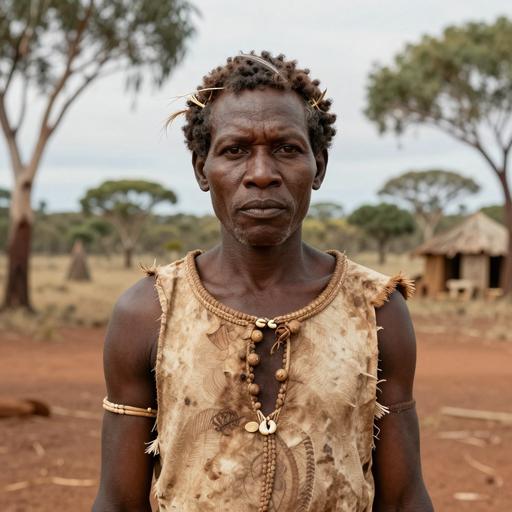
Portrait of ancient individual MH7_merged from Australia, dated 410 CE - 1788 CE
MH7_merged
Australia Aboriginal Australians of Queensland 410 CE - 1788 CE Queensland Aboriginal P Direct
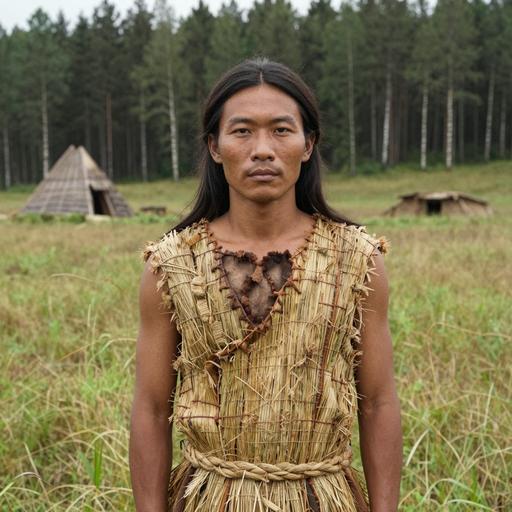
Portrait of ancient individual NE45 from China, dated 7458 BCE - 7088 BCE
NE45
China Early Neolithic China 7458 BCE - 7088 BCE Chinese Neolithic P Direct
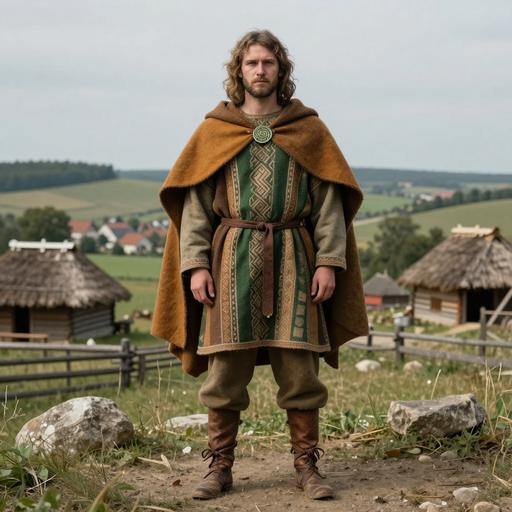
Portrait of ancient individual PCA0037 from Poland, dated 85 CE - 235 CE
PCA0037
Poland Wielbark Culture 85 CE - 235 CE Wielbark P140 Downstream
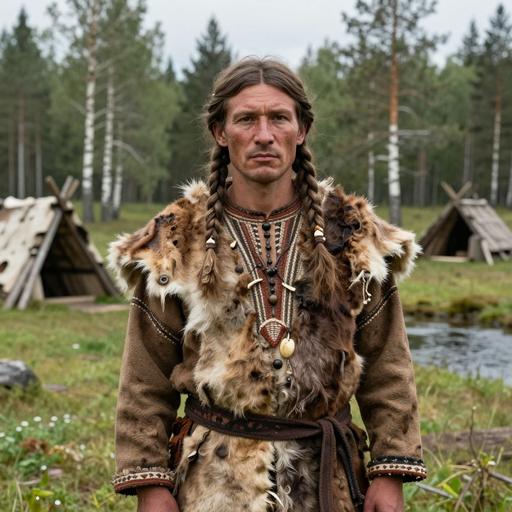
Portrait of ancient individual PCA0480 from Poland, dated 100 CE - 300 CE
PCA0480
Poland Wielbark Culture 100 CE - 300 CE Wielbark P109 Downstream
Portrait of ancient individual PCA0481 from Poland, dated 100 CE - 300 CE
PCA0481
Poland Wielbark Culture 100 CE - 300 CE Wielbark P220 Downstream
Portrait of ancient individual PCA0091 from Poland, dated 200 CE - 400 CE
PCA0091
Poland Wielbark Culture 200 CE - 400 CE Wielbark P30 Downstream
Portrait of ancient individual APG003 from Germany, dated 480 BCE - 450 BCE
APG003
Germany Hallstatt Culture 480 BCE - 450 BCE Hallstatt P312 Downstream
Portrait of ancient individual APG001 from Germany, dated 500 BCE - 480 BCE
APG001
Germany Hallstatt Culture 500 BCE - 480 BCE Hallstatt P312 Downstream
Portrait of ancient individual HOC001 from Germany, dated 530 BCE - 520 BCE
HOC001
Germany Hallstatt Culture 530 BCE - 520 BCE Hallstatt P311 Downstream
Portrait of ancient individual PCA0238 from Poland, dated 1000 CE - 1200 CE
PCA0238
Poland Iron Age Poznań Środka Culture 1000 CE - 1200 CE Poznań Środka Culture P236 Downstream
Chapter VI

Carrier Distribution Map

Geographic distribution of 19 ancient DNA samples (direct and subclade carriers of P)

Direct carrier Subclade carrier
Time Period Filter
All Time Periods
Showing all samples
Chapter VII

Temporal Distribution

Distribution of carriers across archaeological periods

Chapter VIII

Geographic Distribution

Distribution by country of origin (direct and subclade carriers shown by default)

Chapter IX

Country × Era Distribution

Cross-tabulation of carrier countries and archaeological periods (direct and subclade carriers shown by default)

Data

Data & Provenance

Source information and data quality

Last Updated 2026-01-15
Data Source

We use the latest phylotree for YDNA haplogroup classification and data.