The Story
The journey of Y-DNA haplogroup Q1B1A1
Origins and Evolution
Y-DNA haplogroup Q1B1A1 is a rare subclade of Q1B1A within haplogroup Q, one of the major paternal lineages that expanded across northern Eurasia and, ultimately, into the Americas. Because Q lineages are deeply associated with ancient North Eurasian populations, Q1B1A1 is best understood as part of a broader Siberian/North Eurasian phylogenetic radiation that likely formed during or after the Late Pleistocene, with its immediate diversification probably occurring in the early Holocene.
The estimated origin of ~15 thousand years ago is consistent with a lineage that arose after the Last Glacial Maximum, when human populations in Siberia and adjacent regions expanded into newly available ecological zones. As a downstream branch, Q1B1A1 likely reflects founder effects, long-term isolation in small populations, and later dispersals connected to the peopling of Siberia, Central Asia, and the Americas.
Subclades
Because Q1B1A1 is an intermediate-level lineage and may still have limited sampling in the literature, its internal structure may be incompletely resolved compared with better-studied branches of haplogroup Q. In general, subclades within rare Q lineages often show patchy distribution and may be identified mainly through high-resolution Y-chromosome sequencing.
Geographical Distribution
Q1B1A1 is expected to occur at low frequency across a wide but discontinuous range. Its strongest historical context is in North Eurasia, especially Siberian populations, with secondary presence in Central Asia and among some Indigenous peoples of the Americas due to deeper ancestral connections within haplogroup Q.
Low-frequency occurrences in northern Europe and parts of the Middle East/West Asia are plausible and often reflect historical migration, admixture, or rare lineage survival rather than regional origin. In population-genetic terms, this is a classic minority lineage: geographically broad in theory, but usually rare in any given present-day population.
Historical and Cultural Significance
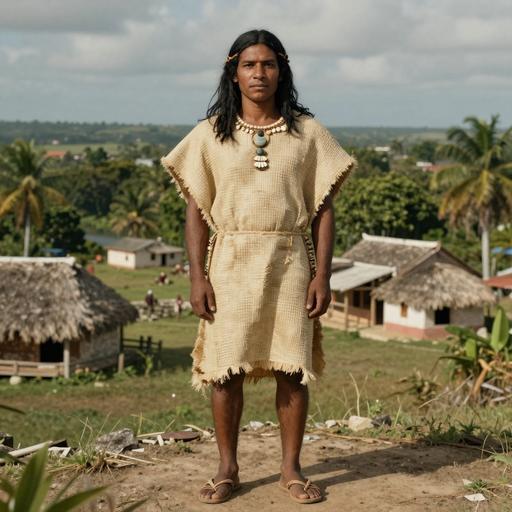
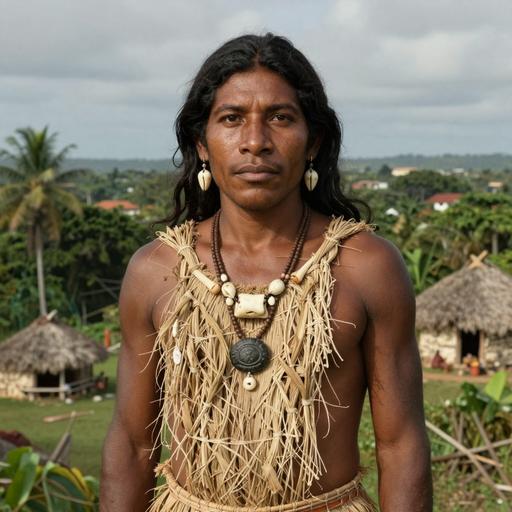
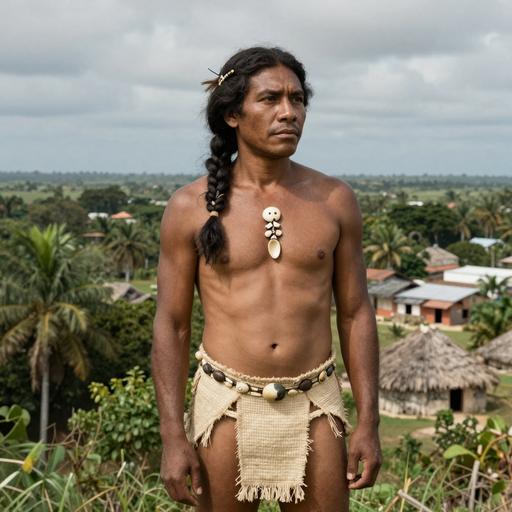
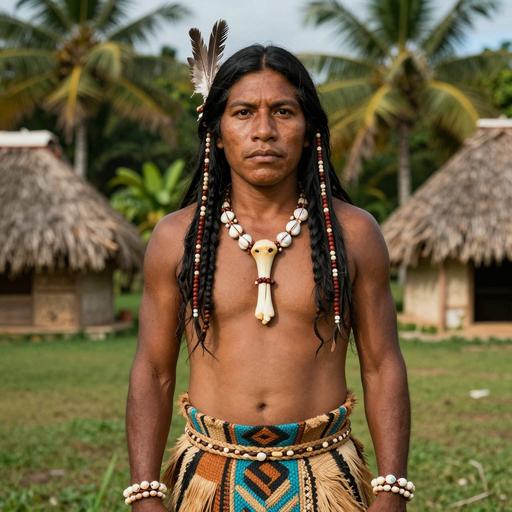
Although Q1B1A1 itself is too rare to be tied confidently to a single archaeological culture, it sits within a paternal lineage long associated with ancient Siberian foragers, populations connected to the Ancient North Eurasian genetic horizon, and the broader demographic processes that contributed to Native American ancestry. Related Q branches have been detected in prehistoric and historic contexts across Siberia, Central Asia, and the Americas.
The presence of Q-derived lineages in some West Eurasian and northern European populations likely reflects later demographic episodes, including steppe-associated movements, postglacial expansions, and localized founder effects. Because Q lineages can appear in widely separated regions, their interpretation requires caution and should be grounded in phylogenetic resolution and ancient DNA context rather than geography alone.
Conclusion
Y-DNA haplogroup Q1B1A1 is a rare, early-Holocene branch of haplogroup Q with roots in North Eurasia. Its distribution pattern is best explained by ancient Siberian population structure, subsequent dispersals across northern Eurasia, and deep ancestral links to some Indigenous American paternal lineages.
Key Points
- Origins and Evolution
- Subclades
- Geographical Distribution
- Historical and Cultural Significance
- Conclusion