Menu
Y-DNA Haplogroup • Paternal Lineage

R1A1

Y-DNA Haplogroup R1A1

~6,000 years ago
Pontic-Caspian steppe / West Eurasia
2 subclades
Scroll to explore
Chapter I

The Story

The journey of Y-DNA haplogroup R1A1

Origins and Evolution

Y-DNA haplogroup R1A1 represents an early branching within the broader R1a lineage and corresponds to a set of lineages that underwent major diversification in the Late Neolithic to Early Bronze Age. Phylogeographic and ancient DNA studies indicate that the rapid expansions associated with this branch (notably downstream markers such as M417 and its descendants) occurred roughly ~5–6 thousand years ago, linked to steppe populations on or near the Pontic-Caspian steppe. These expansions produced two major geographic streams: a primarily European stream and a primarily South/Central Asian stream.

Subclades (if applicable)

The R1A1-related phylogeny contains several important downstream clades that structure its modern and ancient distribution:

  • M417: A key Bronze Age expansion node from which many later subclades descend.
  • Z282: Largely European sub-branch, high frequencies in Eastern and Central Europe and associated with Corded Ware and later Slavic populations.
  • Z93: The principal Asian branch, dominant in Central and South Asia and associated with Sintashta/Andronovo-related movements into South and Central Asia.

These and other downstream markers define population-specific lineages and allow geneticists to distinguish European vs. Asian Bronze Age dispersals that trace back to a common steppe source.

Geographical Distribution

In the present day, R1A1 and its descendant lineages show a broad Eurasian distribution with geographic structure: high frequencies in parts of Eastern Europe (Poland, Ukraine, Russia), substantial presence in Central Asia and the Eurasian steppe (Kazakhstan, Kyrgyzstan), and notable proportions in South Asia (northwestern India, Pakistan, Afghanistan) where the Z93 branch is common. Smaller but meaningful frequencies occur in Scandinavia and in parts of the Caucasus and Near East. Ancient DNA from Bronze Age steppe, Corded Ware, Sintashta and related sites documents the movement of these lineages across large geographic distances during the Bronze Age.

Historical and Cultural Significance

R1A1 is central to discussions of Bronze Age population dynamics and the spread of Indo-European languages. Its archaeological associations include Corded Ware-related groups in north-central Europe, Sintashta and Andronovo cultural complexes on the steppe and in the forest-steppe, and later Slavic expansions in historical times. While not every archaeological culture carried R1A1 uniformly, the clade's rapid Bronze Age growth and its geographic pattern make it a genetic correlate for several major migrations and cultural transmissions across Eurasia.

Conclusion

R1A1 is a diagnostically important branch of R1a that marks Bronze Age demographic expansions from a West Eurasian/steppe source and subsequently split into major European and Asian streams. Its modern distribution and ancient DNA record together provide strong evidence for steppe-derived male-biased migrations that reshaped the genetic and linguistic landscape of Eurasia during the Late Neolithic and Bronze Age.

Key Points

  • Origins and Evolution
  • Subclades (if applicable)
  • Geographical Distribution
  • Historical and Cultural Significance
  • Conclusion

Chapter II

Tree & Relationships

Phylogenetic context and subclades

Evolution Path

This haplogroup's evolutionary journey from its earliest ancestor to the present.

Steps Haplogroup Age Estimate Archaeology Era Time Passed Immediate Descendants Tested Modern Descendants Ancient Connections
1 R1A1 Current ~6,000 years ago 🪨 Chalcolithic 5,500 years 2 36 0
2 R1a ~66,000 years ago 🦴 Paleolithic 66,000 years 2 133 37

Siblings (1)

Other branches from the same parent haplogroup

Chapter III

Where in the World

Geographic distribution and modern presence


Place of Origin

Pontic-Caspian steppe / West Eurasia

Modern Distribution

The populations where Y-DNA haplogroup R1A1 is found include:

  1. Eastern Europeans (especially in Poland, Ukraine, and Russia)
  2. Central Asians (Kazakhstan, Kyrgyzstan, and Uzbekistan)
  3. South Asians (northwestern India, Pakistan, and Afghanistan)
  4. Slavic peoples
  5. Indo-European-speaking populations broadly
  6. Some populations in Scandinavia
  7. Parts of the Caucasus region
  8. Some populations in Iran and the Near East

Regional Presence

Eastern Europe High
Central Asia Moderate
South Asia Moderate
Northern Europe (Scandinavia) Low
Caucasus Low
Near East / Iran Low
CHAPTER IV

When in Time

Your haplogroup in the context of human history

~10k years ago

Neolithic Revolution

Agriculture begins, settled communities form

~5k years ago

Haplogroup R1A1

Your Y-DNA haplogroup emerged in Pontic-Caspian steppe / West Eurasia

Pontic-Caspian steppe / West Eurasia
~5k years ago

Bronze Age

Metalworking, writing, and early civilizations

~3k years ago

Iron Age

Iron tools, expanded trade networks

~2k years ago

Classical Antiquity

Greek and Roman civilizations flourish

Present

Present Day

Modern era

Your Haplogroup
Historical Era
Chapter IV-B

Linked Cultures

Ancient cultures associated with Y-DNA haplogroup R1A1

Cultural Heritage

These ancient cultures have been linked to haplogroup R1A1 based on matching ancient DNA samples from archaeological excavations. The presence of this haplogroup in these cultures provides insights into the migrations and population movements of populations carrying this haplogroup.

Corded Ware Danish Medieval Don-Mariupol Culture Maikop Culture Mesolithic Ukrainian Minino Veretye Viking
Culture assignments are based on archaeological context of ancient DNA samples and may represent regional associations during specific time periods.
Chapter V

Sample Catalog

1 direct carrier and 95 subclade carriers of haplogroup R1A1

50 / 50 samples
Portrait Sample Country Era Date Culture Y-DNA Match
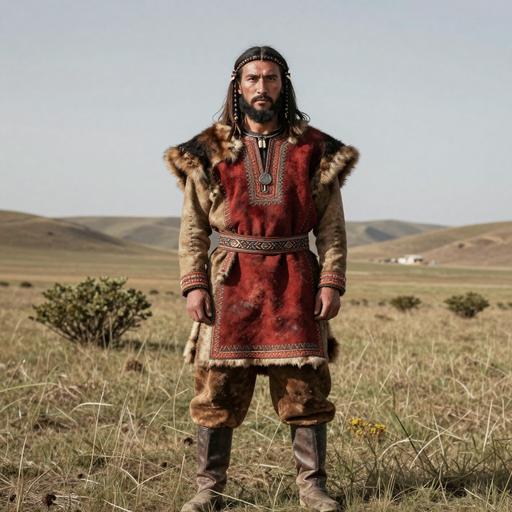
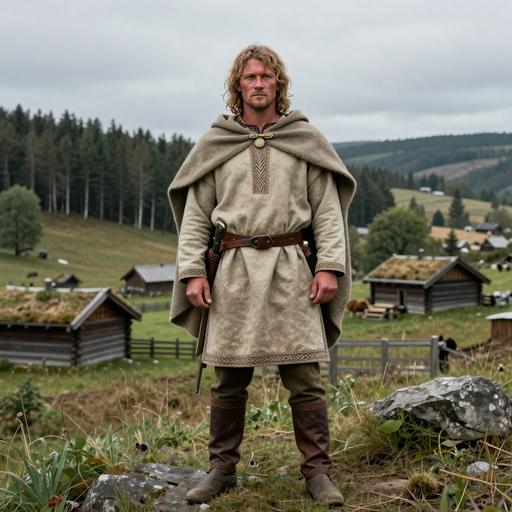
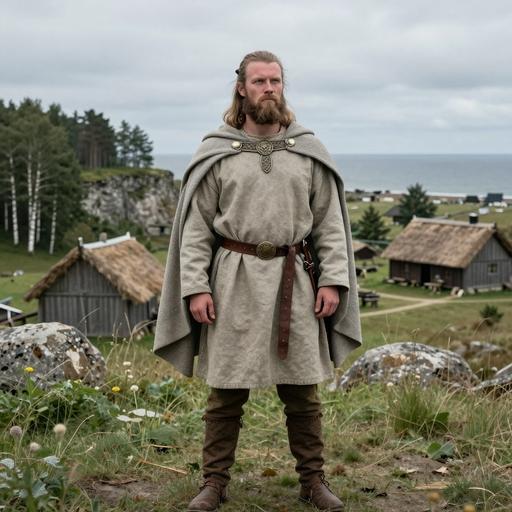
Portrait of ancient individual VK471 from Sweden, dated 900 CE - 1050 CE
VK471
Sweden Viking Age Sweden 900 CE - 1050 CE Viking R1a1 Direct
Portrait of ancient individual POP23 from Croatia, dated 261 CE - 415 CE
POP23
Croatia Roman Period Popova, Croatia 261 CE - 415 CE Popova Settlement R1a1a1b2a2b1-F1345 Downstream
Portrait of ancient individual A181028 from Hungary, dated 350 CE - 450 CE
A181028
Hungary Early Hun Period Sarmatian Transtisza, Hungary 350 CE - 450 CE Sarmatian Culture R1a1a1b2a2a1 Downstream
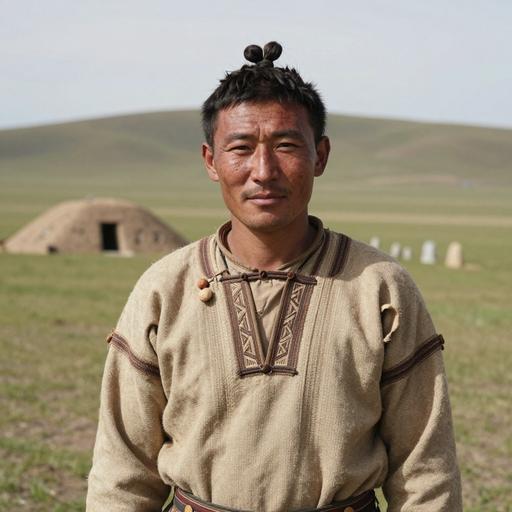
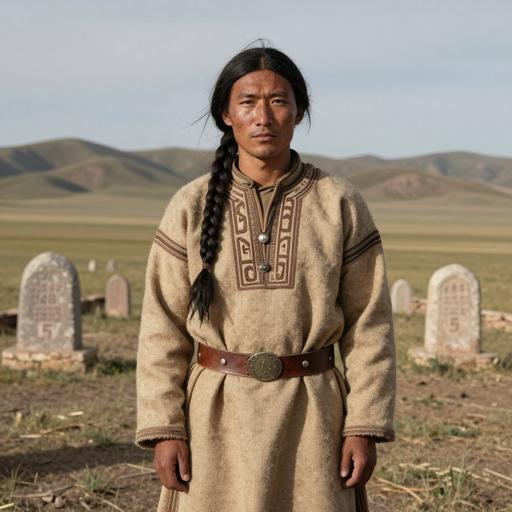
Portrait of ancient individual I6224 from Mongolia, dated 370 BCE - 197 BCE
I6224
Mongolia Early Iron Age Sagly Culture 4, Mongolia 370 BCE - 197 BCE Sagly Culture R1a1a1b2a2-Z2121 Downstream
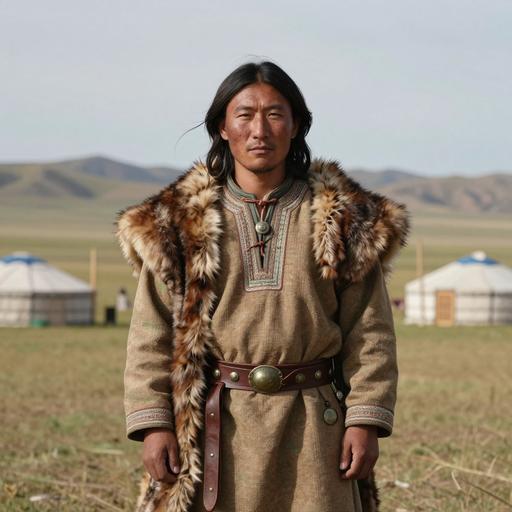
Portrait of ancient individual I6233 from Mongolia, dated 370 BCE - 197 BCE
I6233
Mongolia Early Iron Age Sagly Culture 4, Mongolia 370 BCE - 197 BCE Sagly Culture R1a1a1b2a2-Z2121 Downstream
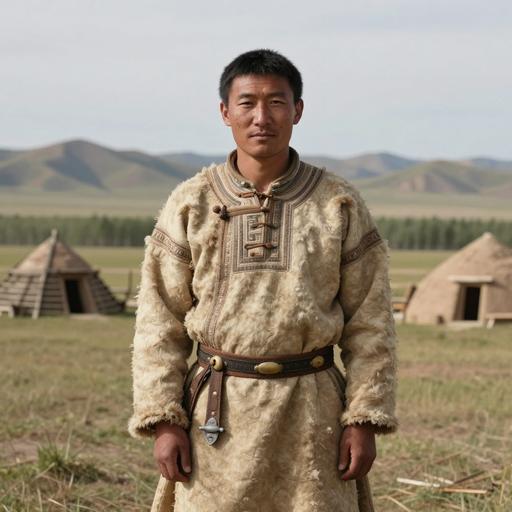
Portrait of ancient individual I7030 from Mongolia, dated 389 BCE - 208 BCE
I7030
Mongolia Early Iron Age Sagly Culture 4, Mongolia 389 BCE - 208 BCE Sagly Culture R1a1a1b2a-Z95 Downstream
Portrait of ancient individual I7024 from Mongolia, dated 389 BCE - 208 BCE
I7024
Mongolia Early Iron Age Sagly Culture 4, Mongolia 389 BCE - 208 BCE Sagly Culture R1a1a1b2-Z93 Downstream
Portrait of ancient individual I7027 from Mongolia, dated 398 BCE - 228 BCE
I7027
Mongolia Early Iron Age Sagly Culture 4, Mongolia 398 BCE - 228 BCE Sagly Culture R1a1a1b2a-F3105 Downstream
Portrait of ancient individual I0563 from Kazakhstan, dated 400 BCE - 300 BCE
I0563
Kazakhstan Iron Age Pazyryk Culture Berel, Kazakhstan 400 BCE - 300 BCE Pazyryk Culture R1a1a1b2 Downstream
Portrait of ancient individual I6225 from Mongolia, dated 400 BCE - 150 BCE
I6225
Mongolia Early Iron Age Sagly Culture 4, Mongolia 400 BCE - 150 BCE Sagly Culture R1a1a1-CTS4259 Downstream
Chapter VI

Carrier Distribution Map

Geographic distribution of 96 ancient DNA samples (direct and subclade carriers of R1A1)

Direct carrier Subclade carrier
Time Period Filter
All Time Periods
Showing all samples
Chapter VII

Temporal Distribution

Distribution of carriers across archaeological periods

Chapter VIII

Geographic Distribution

Distribution by country of origin (direct and subclade carriers shown by default)

Chapter IX

Country × Era Distribution

Cross-tabulation of carrier countries and archaeological periods (direct and subclade carriers shown by default)

Data

Data & Provenance

Source information and data quality

Last Updated 2026-02-16
Confidence Score 50/100
Coverage Low
Data Source

We use the latest phylotree for YDNA haplogroup classification and data.