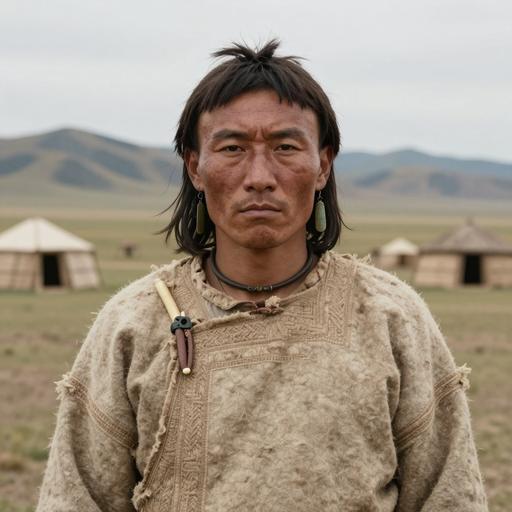
The Story
The journey of Y-DNA haplogroup R1A1A1B2A
Origins and Evolution
Y-DNA haplogroup R1A1A1B2A is a subclade of R1a1a1b2, a branch of the larger R1a paternal lineage. Although the exact internal phylogeny of this specific downstream clade may vary by testing resolution, its placement strongly suggests a Bronze Age-era derivation within the broader steppe-associated expansions of R1a.
Population genetics research on R1a lineages indicates that major diversification occurred in the Pontic-Caspian / Eurasian steppe corridor and adjacent forest-steppe zones, with later dispersals into Eastern Europe, Central Asia, South Asia, and parts of Siberia. This clade likely arose after the initial spread of R1a-associated groups, in a context shaped by mobility, pastoralism, and the demographic expansions linked to post-neolithic steppe populations.
Subclades
As a downstream branch of R1a1a1b2, R1A1A1B2A belongs to a lineage that is part of the broader set of R1a clades commonly discussed in relation to Slavic, Baltic, and Indo-Iranian paternal ancestry. Because this branch is intermediate or lower-resolution in many datasets, its finest internal branches may not be equally represented across all studies.
In practical terms, R1A1A1B2A sits within a phylogenetic framework that connects:
- the wider R1a macro-lineage,
- the R1a1a and later sub-branches associated with Eurasian Bronze Age expansions,
- and numerous regional founder lineages that became important in Europe and Asia.
Geographical Distribution
This haplogroup is most plausibly found at low to moderate frequencies across a broad belt of Eurasia, especially in populations with known R1a enrichment. Its distribution reflects both ancient expansions and later founder effects.
Typical regions of occurrence include:
- Eastern Europe, especially among Slavic-speaking populations such as Poles, Ukrainians, Belarusians, and Russians
- Northern and Eastern Europe, including Baltic populations and some Scandinavians
- Central Asia, including Kazakh and Kyrgyz populations and neighboring steppe groups
- South Asia, especially among some Indo-Aryan-speaking populations
- West Asia / Iran-adjacent populations, where R1a-derived lineages occur in mixed frequencies
- Siberia and the forest-steppe zone, particularly in selected Uralic- and Turkic-speaking groups
Historical and Cultural Significance
R1a subclades are often used as genetic markers in discussions of Bronze Age population movements across Eurasia. While no single haplogroup defines a culture, branches within R1a are frequently associated with archaeological horizons connected to steppe mobility, including Corded Ware, Sintashta, Andronovo, and related post-Corded Ware / steppe-derived populations.
The presence of R1a-derived lineages in Slavic, Baltic, and Indo-Iranian populations is consistent with complex demographic histories involving expansions, elite transmission, drift, and local admixture rather than a simple one-to-one correspondence between haplogroup and ethnicity. In modern population genetics, R1A1A1B2A is best understood as one branch among many that contributed to the paternal structure of Eurasian populations.
Conclusion
R1A1A1B2A is a relatively downstream R1a paternal lineage with likely origins in the Eurasian steppe / Eastern European Bronze Age world. Its distribution across Eastern Europe, Central Asia, and parts of South Asia reflects the long-range demographic impact of steppe-linked expansions and later regional founder effects.
Because it is a subclade within a highly successful and widely dispersed Y-DNA lineage, it is most informative when interpreted alongside deeper phylogenetic testing, population context, and historical evidence.
Key Points
- Origins and Evolution
- Subclades
- Geographical Distribution
- Historical and Cultural Significance
- Conclusion