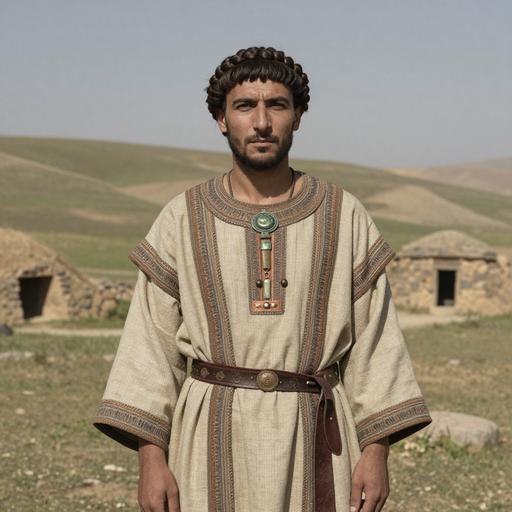
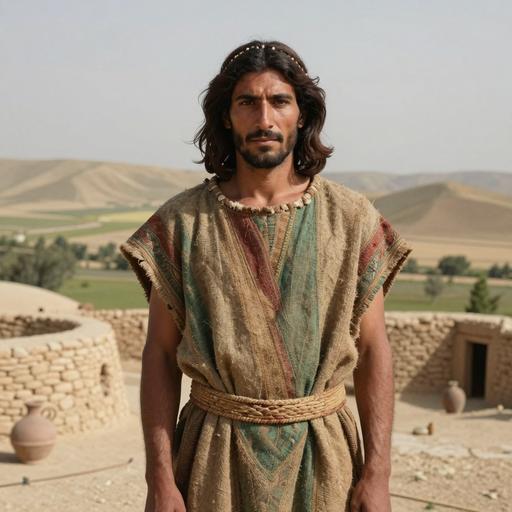
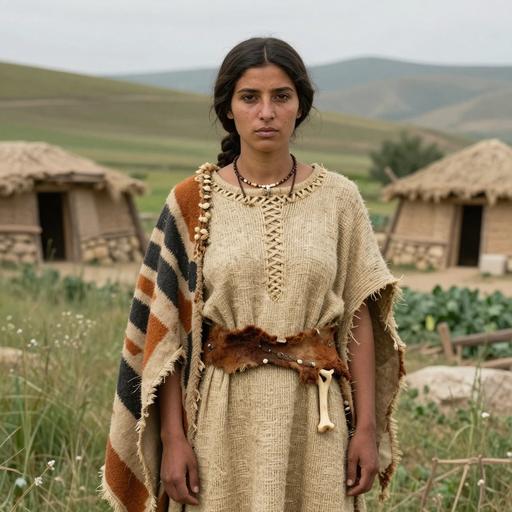
The Story
The journey of mtDNA haplogroup K1A12A
Origins and Evolution
mtDNA haplogroup K1A12A is a subclade of K1A12, itself nested within haplogroup K1A, which belongs to the broader K lineage (a branch of haplogroup U8/K). The parent clade K1A12 is inferred to have arisen in the Near East/Anatolia during the Early Neolithic (~8.5 kya) and to have spread into Europe with migrating early farmers. K1A12A likely represents a slightly later branching event within that Near Eastern/Anatolian Neolithic maternal pool (hence an estimated origin around ~7 kya), reflecting further diversification as farming populations expanded and became regionally structured.
The mutation pattern that defines K1A12A places it as a downstream lineage of K1A12; like many mtDNA subclades formed during the Neolithic demographic expansions, K1A12A shows a patchy distribution that reflects both migration routes and later drift/founder effects.
Subclades (if applicable)
At present K1A12A is a relatively fine-scale sublineage and many published datasets report it as a terminal or near-terminal branch (i.e., few well-differentiated downstream subclades are widely recognized). In larger sequencing projects, K1A12A may split into localized sub-branches in island or isolated populations or within identity-by-descent clusters (for example, within certain Jewish founder lineages or Mediterranean island communities). Continued high-resolution mitogenome sequencing may reveal more internal structure over time.
Geographical Distribution
K1A12A follows the general geographic footprint of K1A12 but typically at lower, localized frequencies. The highest confidence region of origin and concentration is Anatolia / Near East, with clear representation in downstream Mediterranean and European contexts due to Neolithic farmer dispersals. The haplogroup appears in:
- Anatolia and the Levant (modern Turkey, Cyprus, Levantine coasts)
- Southern Europe (Iberia, Italy, Greece and Mediterranean islands such as Sardinia and the Aegean)
- Caucasus populations at low to moderate frequencies
- Jewish communities (notably some localized Ashkenazi founder occurrences), where specific maternal lineages have been amplified by founder events
- Scattered low-frequency occurrences in Western and Northern Europe and coastal North Africa, reflecting historical gene flow and maritime contacts
Ancient DNA recoveries of related K1A12 lineages from Early Neolithic farmer contexts (e.g., Cardial and LBK-associated remains) support the interpretation that K1A12A arrived in Europe with early agriculturalists and persisted at low to moderate levels, occasionally rising in frequency in isolated or founder-effect contexts.
Historical and Cultural Significance
Because K1A12A stems from a Neolithic Near Eastern maternal pool, it is informative for reconstructing the maternal component of early farming expansions into Europe and the Mediterranean. Its presence in both prehistoric farmer-associated remains and modern populations highlights the demographic impact of Neolithic migrations and later regional processes (drift, founder events, and historical movements). The occurrence of K1A12A in some Jewish communities reflects historical founder effects and population bottlenecks that amplify certain maternal lineages.
K1A12A is therefore useful in multidisciplinary studies (archaeogenetics, population history, genealogical mtDNA matching) for separating Near Eastern/Anatolian Neolithic ancestry from later European hunter-gatherer or steppe-derived maternal inputs.
Conclusion
K1A12A is a geographically and temporally informative mtDNA subclade that likely arose in the Near East/Anatolia during or shortly after the Early Neolithic and was transported into Europe with agricultural expansions. It now persists at low to moderate frequencies across the Mediterranean, Anatolia and adjacent regions and is particularly useful for fine-scale maternal ancestry reconstruction when combined with mitogenome data and archaeological context.
Key Points
- Origins and Evolution
- Subclades (if applicable)
- Geographical Distribution
- Historical and Cultural Significance
- Conclusion