The Story
The journey of mtDNA haplogroup K1A12
Origins and Evolution
mtDNA haplogroup K1A12 is a subclade downstream of K1A1, itself part of haplogroup K (which derives from U8b'K). K lineages are generally associated with post‑Last Glacial Maximum expansions in West Asia and the subsequent spread of agriculture from Anatolia into Europe. K1A12 likely arose after the formation of K1A1, plausibly in the Near East or Anatolia during the Early Neolithic (roughly 9–7.5 kya), and represents one of several regional daughter lineages that spread with early farmers and later population movements.
The clade is defined by additional private mutations on top of the diagnostic K1A1 motif; exact diagnostic sites are catalogued in phylogenetic resources such as PhyloTree and GenBank. Because K1A12 is a more terminal branch, it is typically rarer and more geographically localized than basal K1A subclades.
Subclades (if applicable)
K1A12 may contain further downstream variants that are observed in particular populations or families; these sub‑branches are often detected through complete mtGenome sequencing and can reveal recent founder events. Where identified, such subclades tend to mark local expansions (e.g., on Mediterranean islands or within specific cultural/ethnic groups). For up‑to‑date defining mutations and named downstream branches, consult the latest mtDNA phylogeny (PhyloTree) or curated mtGenome databases.
Geographical Distribution
K1A12 is most plausibly rooted in the Near East/Anatolia and is therefore observed today primarily across regions that received early Neolithic input and later historical contacts. Reported occurrences (often at low to moderate frequency) include Anatolia, the Levant, parts of the Caucasus, southern Europe (Mediterranean coast and islands), and North Africa where Near Eastern maternal lineages admixed into local gene pools. Small but detectable frequencies also appear in Central and Western Europe due to Neolithic farmer ancestry and later mobility. In some cases K1A12 or its immediate subclades are enriched by localized founder effects (for example within certain Jewish communities or island populations), but overall the lineage remains relatively uncommon compared with basal K1 subclades.
Historical and Cultural Significance
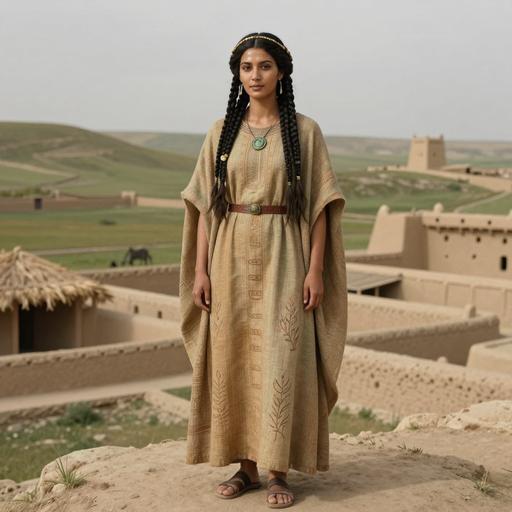
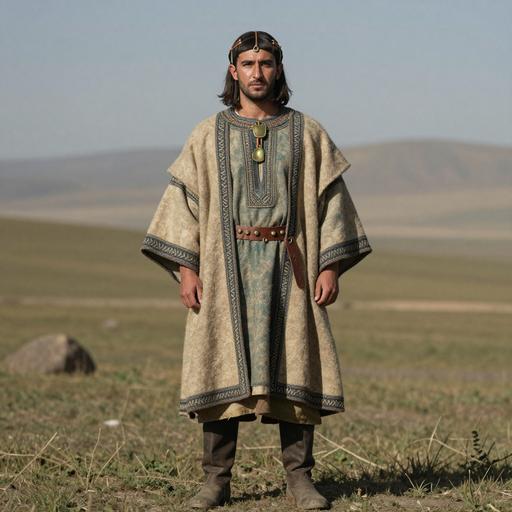
Because K1A12 sits within the broader K1A/K1A1 cluster that moved with early agriculturalists, it is tied to the demographic expansion of Neolithic farming cultures across Anatolia into Europe (for example LBK‑related dispersals and Mediterranean Cardial expansions). Later historical processes — including Bronze Age mobility, Mediterranean trade, and historic migrations of Near Eastern and Jewish populations — likely redistributed the lineage further, creating the patchy modern distribution observed. In genealogical contexts, K1A12 can help identify maternal connections to Near Eastern or Mediterranean ancestry and can sometimes point to recent founder events when found at higher local frequency.
Conclusion
K1A12 is a terminal mtDNA lineage nested under K1A1 that most likely arose in the Near East/Anatolia in the Early Neolithic and spread into Europe with farming populations, later persisting at low to moderate frequencies across the Mediterranean basin, Anatolia, the Caucasus and in some founder groups. Because it is a downstream and relatively rare clade, high‑resolution mtGenome data are valuable for confident assignment and for using K1A12 to infer recent maternal genealogical relationships. For exact diagnostic mutations and the most current subclade topology, users should reference PhyloTree and recent ancient DNA publications.
Key Points
- Origins and Evolution
- Subclades (if applicable)
- Geographical Distribution
- Historical and Cultural Significance
- Conclusion