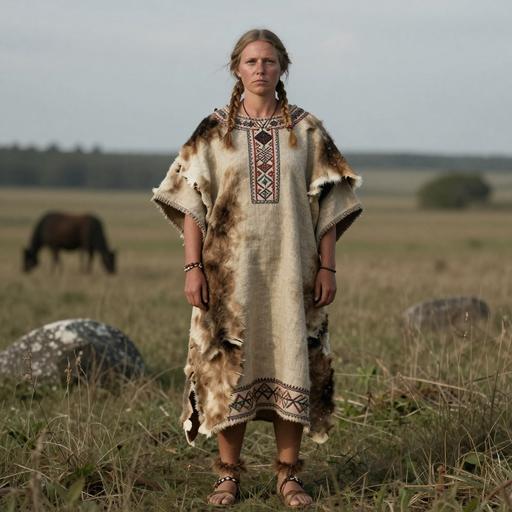
The Story
The journey of mtDNA haplogroup K1A1A
Origins and Evolution
mtDNA haplogroup K1A1A is a downstream branch of K1A1, itself a subclade of K1a/K. Based on its phylogenetic position beneath K1A1 and the established age and geography of that parent clade, K1A1A most likely arose in the Near East or Anatolia during the Late Glacial to Early Holocene period (roughly the early Neolithic timeframe). Its emergence is consistent with expansion events associated with early farming populations that moved from Anatolia into southeastern and central Europe.
Genetically, K1A1A represents a set of mitochondrial control- and coding-region mutations that define a maternal lineage distinct from sibling K1A1 subclades. Like other K sublineages, it carries signals of both early Near Eastern origin and subsequent diversification in Europe and the Mediterranean.
Subclades
K1A1A sits beneath K1A1 and may itself have derived sub-branches (dependent on fine-scale sequencing and phylogenies). Some named downstream branches have been reported in population studies and in targeted mtDNA sequencing of particular communities (including Ashkenazi Jewish groups and island populations), but the completeness of subclade naming depends on sampling and full mitogenome data. In many cases, what is reported as "K1A1A" in control-region-based screens may encompass more than one closely related mitogenome lineage that will be resolved with full mtDNA sequencing.
Geographical Distribution
The distribution of K1A1A mirrors the broader K1A1 pattern but with some concentration and founder effects in specific communities. Modern and ancient DNA studies show the haplogroup in:
- Anatolia and the Levant, consistent with Near Eastern origins and early farming populations.
- Southern Europe and Mediterranean islands (Italy, Greece, Sardinia and other Aegean islands), reflecting Neolithic dispersal along maritime and coastal routes.
- Ashkenazi Jewish communities, where K sublineages (including K1A1-related types) contributed to documented maternal founder events in medieval times.
- Western and Northern Europe at low to moderate frequencies as a legacy of Neolithic farmer admixture and later demographic movements.
- The Caucasus and parts of Iran and North Africa, usually at low frequencies tied to historical Near Eastern gene flow.
Ancient DNA records that identify K1A1/K1A1A-type mitogenomes in Neolithic contexts support a model of movement from Anatolia into Europe with early agriculturalists; later occurrences in medieval and modern samples reflect multiple demographic processes including drift, founder events, and regional isolation.
Historical and Cultural Significance
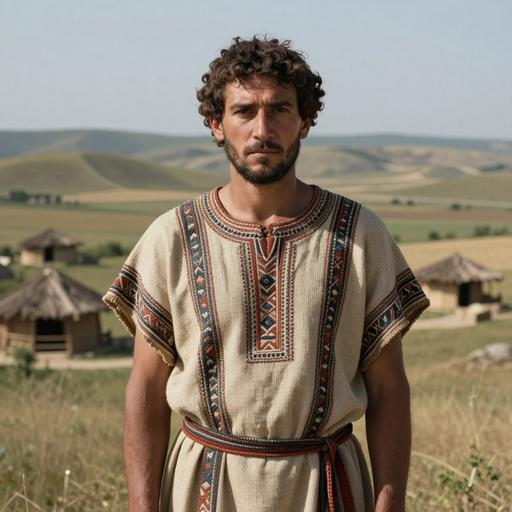
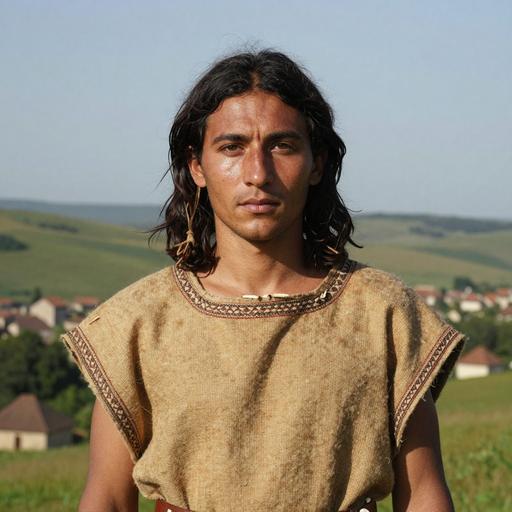
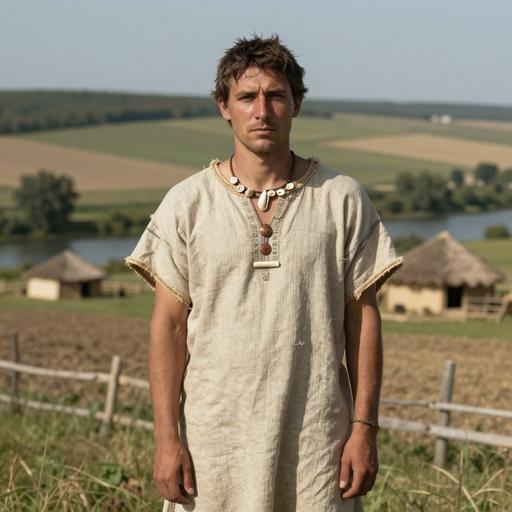
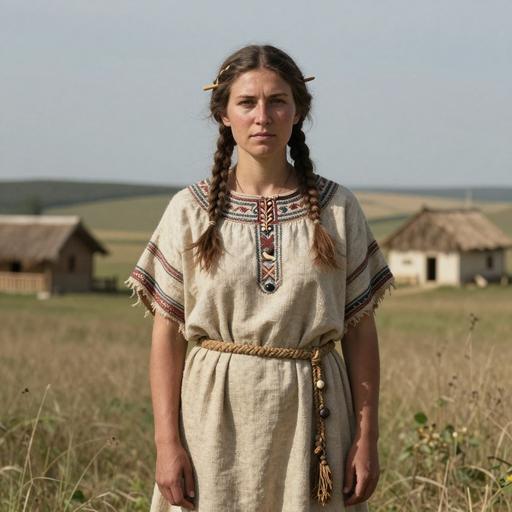
K1A1A is informative for reconstructing maternal ancestry related to the spread of agriculture. Its presence in early farmer-associated archaeological contexts (for example, Neolithic Anatolian and early European farmer remains) ties it to the major demographic shift that introduced domesticated plants and animals into Europe.
The haplogroup also has significance in historical population studies: several K subclades have been amplified by founder effects in Jewish populations, particularly Ashkenazi maternal lineages, where a few maternal founders contributed disproportionately to present-day diversity. K1A1A-like lineages detected in Ashkenazi samples highlight how relatively rare Near Eastern lineages can become regionally common through cultural and demographic processes.
In island and isolated populations (e.g., some Mediterranean islands), K1A1A may reach elevated frequencies through drift and long-term isolation, making it useful for studies of microevolution and population structure.
Conclusion
K1A1A is a Near Eastern–derived maternal lineage that expanded into Europe with early farmers and persisted through subsequent millennia in Mediterranean, Near Eastern, and some European populations. Its genetic footprint is shaped by both prehistoric migrations (Neolithic expansion) and later historical processes (founder effects in particular communities), and high-resolution mitogenome sequencing continues to refine its internal structure and geographic history.
Key Points
- Origins and Evolution
- Subclades
- Geographical Distribution
- Historical and Cultural Significance
- Conclusion