The Story
The journey of mtDNA haplogroup K1B2A1
Origins and Evolution
mtDNA haplogroup K1B2A1 is a subclade of K1B2A, itself nested within haplogroup K (a branch of U8b'K). Based on the age of the parent clade (K1B2A ~8.5 kya) and phylogenetic branch lengths, K1B2A1 most likely arose in the Early–Mid Holocene (roughly ~6–7 kya) in the Near East / Anatolia region. Its emergence fits the pattern of maternal lineages that expanded with Neolithic farming populations out of Anatolia into Europe. Molecular-clock estimates for K-sublineages and observed geographic distribution support a postglacial Near Eastern origin followed by westward and Mediterranean dispersal.
Subclades
K1B2A1 is a terminal or near-terminal branch within published phylogenies (depending on the resolution of sequencing datasets). Where whole mitogenomes are available, minor sub-branches beneath K1B2A1 have been reported in population-level surveys, but K1B2A1 generally functions as a fine-scale lineage useful for tracing localized founder events rather than deep macro-regional expansions.
Geographical Distribution
K1B2A1 is concentrated in the Near East / Anatolia and the Mediterranean rim and occurs at lower frequencies further into Europe. It is reported in:
- Ashkenazi Jewish communities, where it appears as a recognizable founder lineage in some studies, producing elevated frequency in that specific cultural-ethnic sample relative to surrounding populations.
- Anatolian and Levantine populations, consistent with its origin.
- Early Neolithic farmer-descended groups in Europe (e.g., LBK-associated ancestry), reflecting its spread with agriculturalists.
- Southern European populations (Italy, Iberia, Greece) and Mediterranean island groups (Sardinia and similar) where Neolithic maternal lineages persisted.
Low-frequency occurrences are recorded in parts of Western and Northern Europe, the Caucasus, North African coastal groups with Near Eastern admixture, and sporadically in Central Asia — typically reflecting historic gene flow rather than independent origins.
One authenticated ancient DNA occurrence is currently recorded in curated aDNA databases, linking the haplogroup to archaeological contexts and supporting its antiquity in the region.
Historical and Cultural Significance
K1B2A1's distribution reflects two overlapping historical processes:
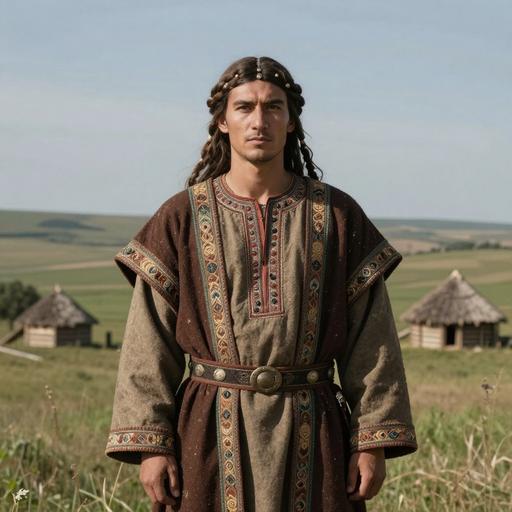
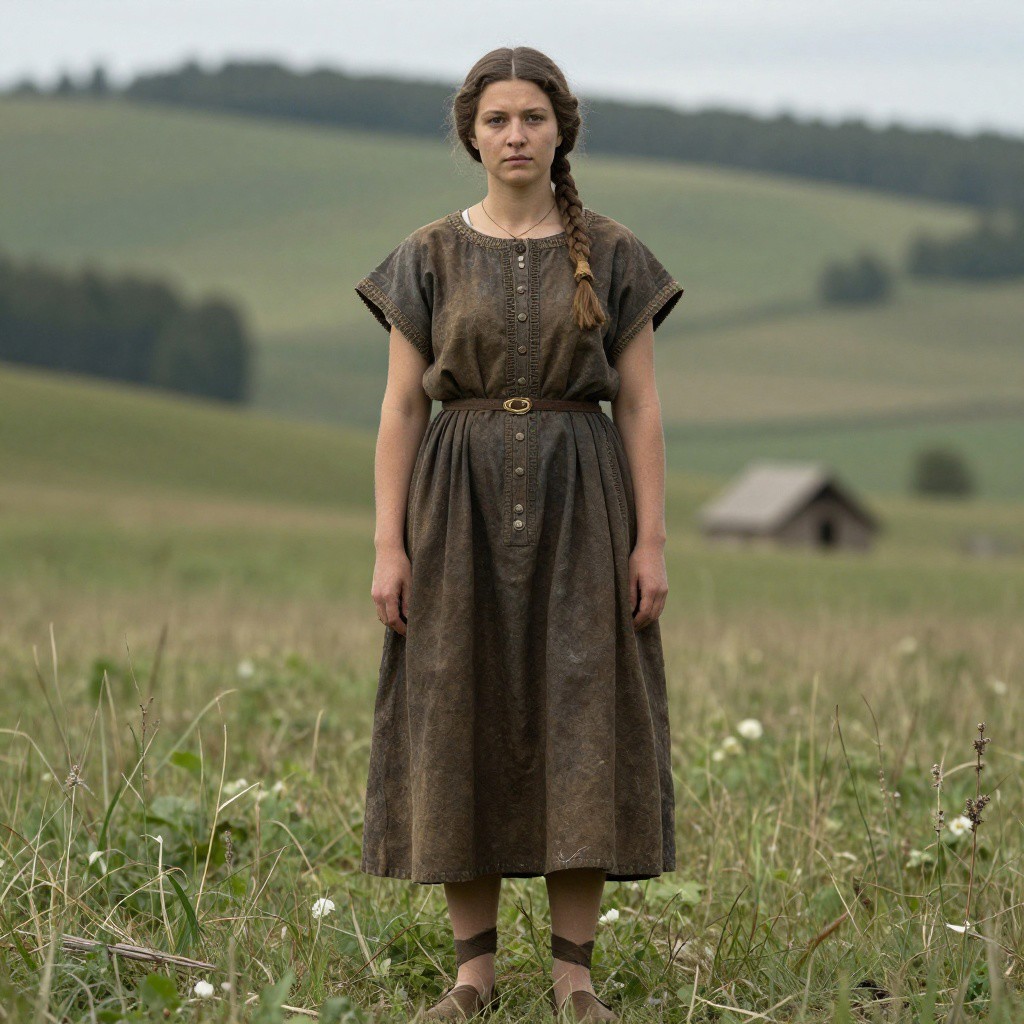
- Neolithic farmer expansion: As a descendant of a Near Eastern Anatolian maternal lineage, K1B2A1 was likely transported into Europe with early farming communities (e.g., LBK and related cultures), contributing to the maternal genetic substrate of early European farmers.
- Localized founder effects and diaspora histories: In some cultural groups — most notably certain Jewish communities (Ashkenazi) — K1B2A1 appears as a detectable founder lineage, preserved through demographic events (bottlenecks, founder effects, and endogamy). Similarly, island and isolated Mediterranean populations can retain this lineage at higher frequencies than surrounding continental regions due to genetic drift and continuity of Neolithic-derived maternal lineages.
K1B2A1 is not typically associated with major Bronze Age population turnovers (e.g., steppe-driven expansions) as a primary marker, but it persisted through subsequent eras as part of the inherited maternal diversity in Mediterranean and Near Eastern-descended populations.
Conclusion
K1B2A1 is a moderate-age, regionally informative maternal lineage that helps trace Near Eastern / Anatolian Neolithic dispersal into Europe and subsequent demographic processes (founder effects, drift, and local continuity). Its presence in Ashkenazi Jewish and Mediterranean island contexts highlights how small clades within mtDNA K can serve as markers of specific historical and cultural population events. Continued mitogenome sequencing and increased ancient DNA sampling will refine the internal structure and precise antiquity of K1B2A1 and its micro-geographic history.
Key Points
- Origins and Evolution
- Subclades
- Geographical Distribution
- Historical and Cultural Significance
- Conclusion