Menu
Y-DNA Haplogroup • Paternal Lineage

Q1B1A1A1

Y-DNA Haplogroup Q1B1A1A1

~2,000 years ago
Central Asia / Siberia
5 subclades
Scroll to explore
Chapter I

The Story

The journey of Y-DNA haplogroup Q1B1A1A1

Origins and Evolution

Y-DNA haplogroup Q1B1A1A1 sits as a downstream branch of Q1B1A1A, itself a descendant of the wider Q1B1A lineage that expanded across the Eurasian steppe. Based on the parent clade's estimated emergence in the late Bronze Age to early Iron Age (around 3.5 kya) and the phylogenetic depth of Q1B1A1A1, a reasonable estimate places the origin of Q1B1A1A1 in the Iron Age approximately ~2.0 kya. Its emergence is consistent with demographic dynamics on the steppe — increased mobility, horse-based pastoralism, and the formation and migration of Iron Age nomadic confederations.

The lineage is defined by downstream SNPs that mark a localized diversification from other Q1B1A1A subclades. As with many steppe-associated Y-haplogroups, Q1B1A1A1 likely rose in frequency among patrilineally structured mobile groups and then dispersed via trade, raiding, elite-driven migration, and later political expansions.

Subclades

Q1B1A1A1 may contain further private branches identifiable in higher-resolution sequencing projects (targeted SNP panels or full Y-chromosome sequences). These sub-branches often show geographically restricted patterns (for example, lineages enriched in particular Kazakh, Mongolian, or Tungusic groups). Ancient DNA (aDNA) sampling from Iron Age and later contexts on the steppe has the potential to reveal the branching order and timing more precisely; currently the subclade structure is consistent with a relatively recent, regionally-focused expansion rather than an early pan-Eurasian radiation.

Geographical Distribution

The modern distribution of Q1B1A1A1 is centered on the Eurasian steppe. It is found at moderate to high frequencies in parts of Central Asia (e.g., among some Kazakh and Kyrgyz groups) and at moderate frequencies in northeastern Eurasia (including Mongolic and some Siberian populations such as Buryat and Yakut). Low-frequency occurrences are recorded in eastern Europe and rare, sporadic cases appear in the Americas and South Asia, typically interpretable as results of historical steppe-mediated gene flow or later population movements. Ancient DNA from Iron Age and historic nomadic burials occasionally carries Q1B1A1A1 or closely related subclades, corroborating its steppe provenance.

Historical and Cultural Significance

Q1B1A1A1 is best interpreted within the broader context of Iron Age steppe societies: Scythian, Saka, early Xiongnu and related nomadic pastoralist cultures that dominated large parts of the Eurasian steppe. Such groups were highly mobile, horse-dependent, and often formed hierarchical, patrilineal societies in which particular Y-lineages could achieve high local frequency through social structure and founder effects. Later historical movements — including Turkic and Mongolic expansions during the first millennium CE and the medieval period — provided routes for further spread. The haplogroup therefore serves as a useful genetic marker for tracing paternal lineages associated with these mobile pastoralist traditions.

Conclusion
Q1B1A1A1 represents a relatively recent, regionally concentrated branch of the broader Q haplogroup family tied to Iron Age and later steppe populations. Its distribution and substructure reflect the demographic processes of mobile pastoralism, elite-driven migrations, and periodic long-distance dispersals that characterize Eurasian steppe history. Continued aDNA sampling and higher-resolution Y-chromosome sequencing will refine its internal topology and improve dating and geographic inferences.

Key Points

  • Origins and Evolution
  • Subclades
  • Geographical Distribution
  • Historical and Cultural Significance
  • Conclusion
Chapter II

Tree & Relationships

Phylogenetic context and subclades

Evolution Path

This haplogroup's evolutionary journey from its earliest ancestor to the present.

Steps Haplogroup Age Estimate Archaeology Era Time Passed Immediate Descendants Tested Modern Descendants Ancient Connections
1 Q1B1A1A1 Current ~2,000 years ago 🏛️ Roman Period 2,000 years 5 4 0

Siblings (1)

Other branches from the same parent haplogroup

Chapter III

Where in the World

Geographic distribution and modern presence

Place of Origin

Central Asia / Siberia

Modern Distribution

The populations where Y-DNA haplogroup Q1B1A1A1 is found include:

  1. Central Asian populations (Kazakh, Kyrgyz, Turkmen and neighboring groups)
  2. Siberian indigenous groups (Yakut, Buryat, Evenk and related peoples)
  3. Mongolian and Tungusic-speaking populations
  4. Some Eastern European populations (low frequency, often in groups with steppe ancestry)
  5. Rare/sporadic occurrences in Indigenous peoples of the Americas (secondary/low frequency)
  6. Sporadic occurrences in Middle Eastern and South Asian populations due to historic steppe-mediated gene flow
  7. Modern populations descended from historic steppe nomads (e.g., groups linked to Scythian/Saka/Xiongnu traditions)

Regional Presence

Central Asia High
NorthEast Asia / Siberia Moderate
Eastern Europe Low
North America (Indigenous) Low
South Asia Low
CHAPTER IV

When in Time

Your haplogroup in the context of human history

~10k years ago

Neolithic Revolution

Agriculture begins, settled communities form

~5k years ago

Bronze Age

Metalworking, writing, and early civilizations

~3k years ago

Iron Age

Iron tools, expanded trade networks

~2k years ago

Classical Antiquity

Greek and Roman civilizations flourish

~2k years ago

Haplogroup Q1B1A1A1

Your Y-DNA haplogroup emerged in Central Asia / Siberia

Central Asia / Siberia
Present

Present Day

Modern era

Your Haplogroup
Historical Era
Chapter IV-B

Linked Cultures

Ancient cultures associated with Y-DNA haplogroup Q1B1A1A1

Cultural Heritage

These ancient cultures have been linked to haplogroup Q1B1A1A1 based on matching ancient DNA samples from archaeological excavations. The presence of this haplogroup in these cultures provides insights into the migrations and population movements of populations carrying this haplogroup.

Canimar Abajo Chumash Cueva Calero Cueva Esqueletos Lavoutte Culture Los Indios Culture Paso del Indio Culture Sierra Miwok
Culture assignments are based on archaeological context of ancient DNA samples and may represent regional associations during specific time periods.
Chapter V

Sample Catalog

26 direct carriers and 3 subclade carriers of haplogroup Q1B1A1A1

29 / 29 samples
Portrait Sample Country Era Date Culture Y-DNA Match
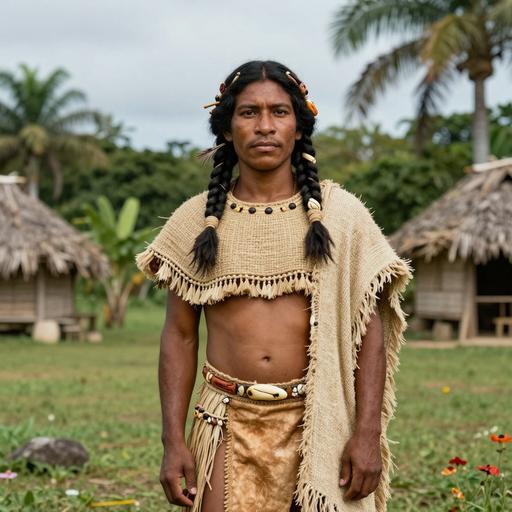
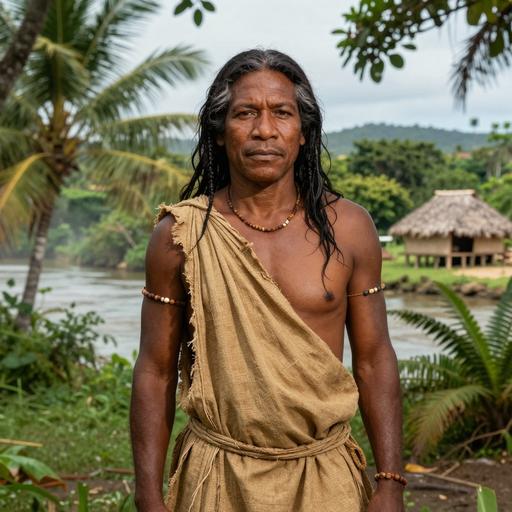
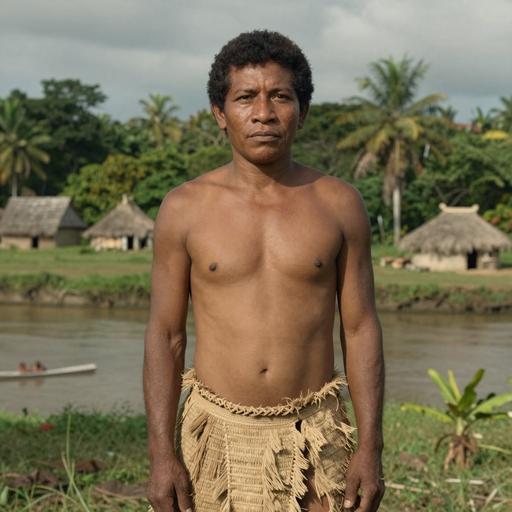
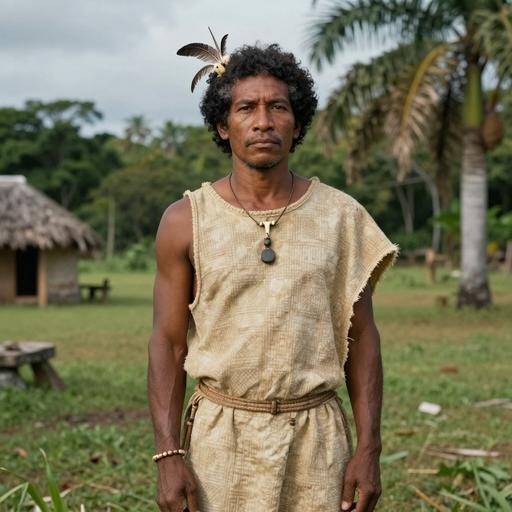
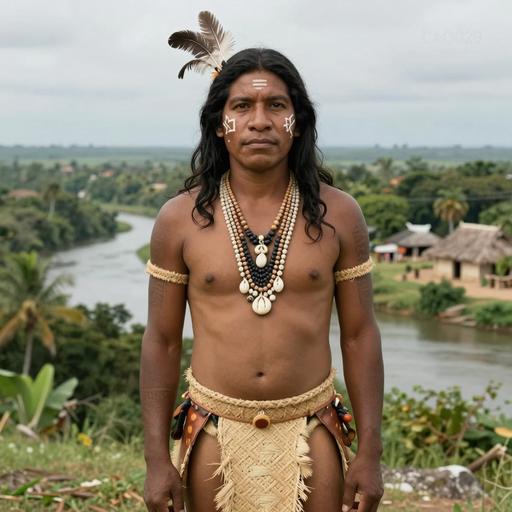
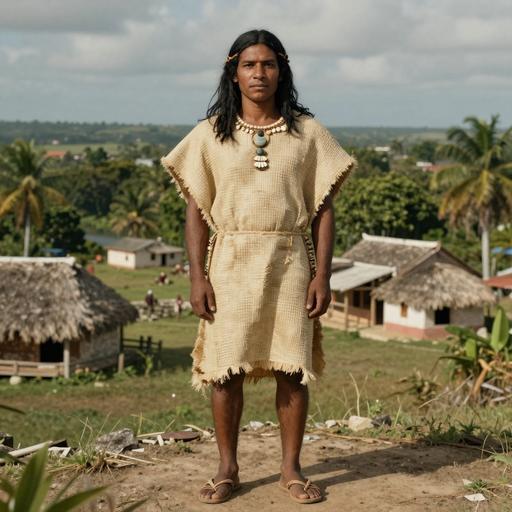
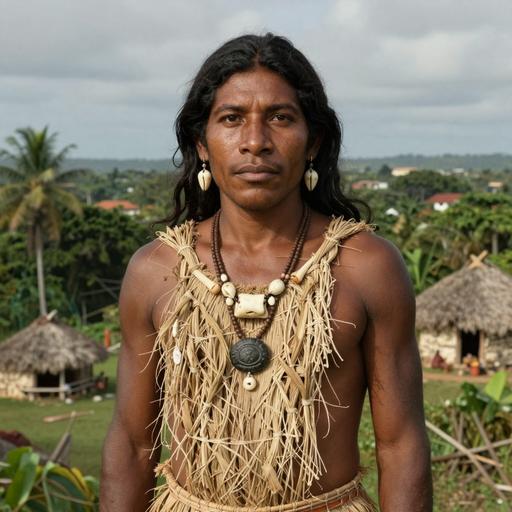
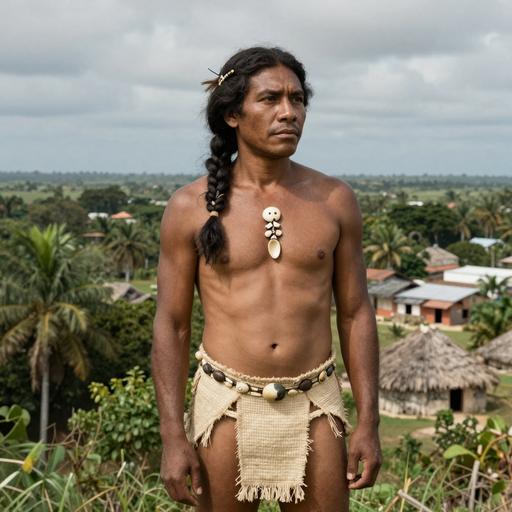
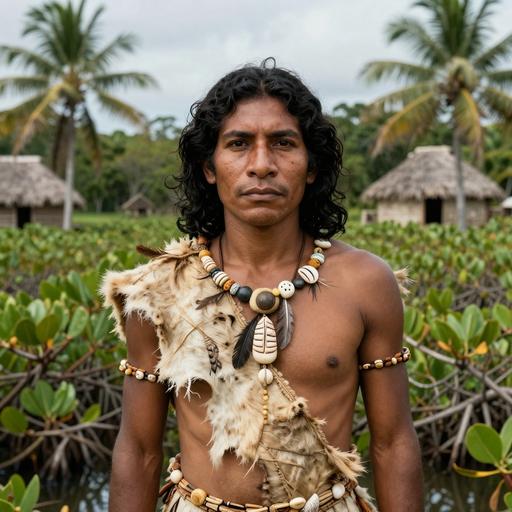
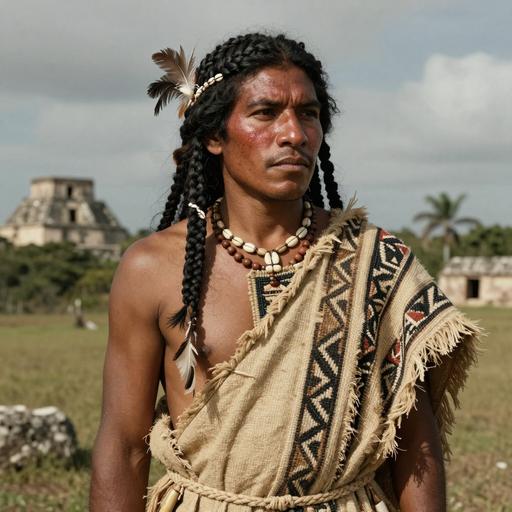
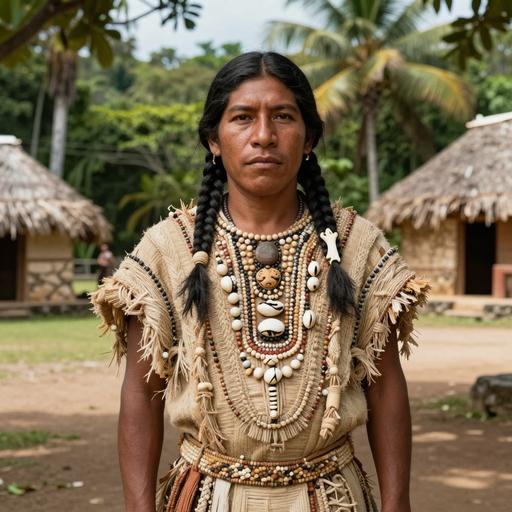
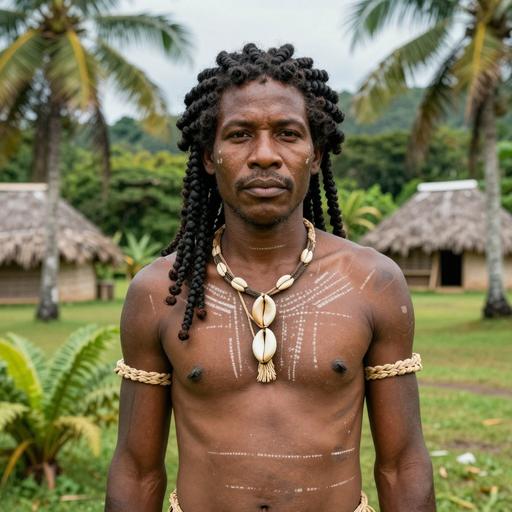
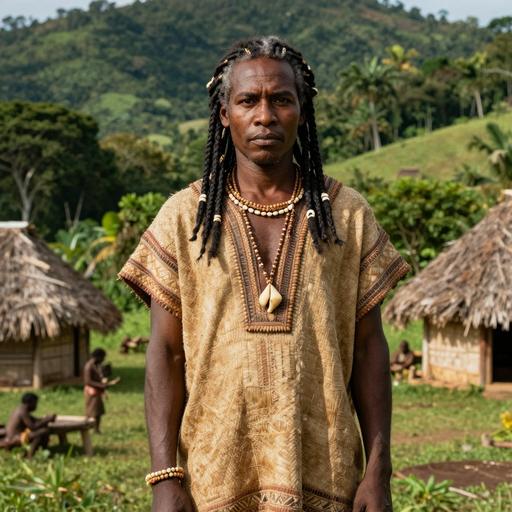
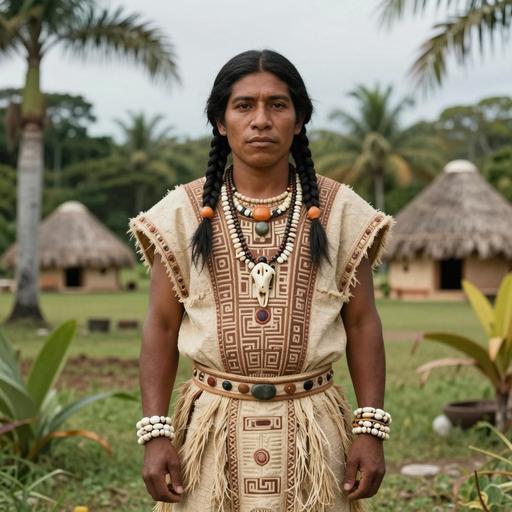
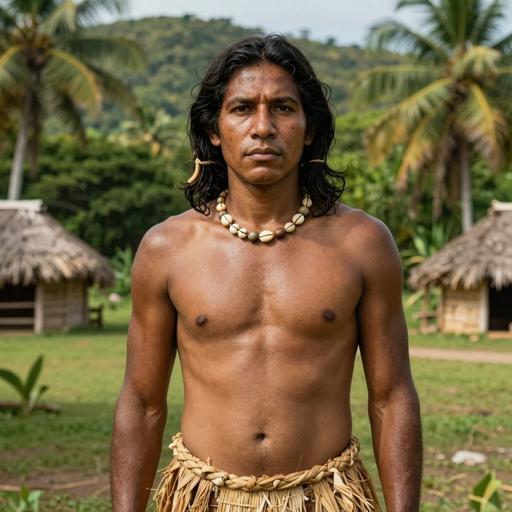
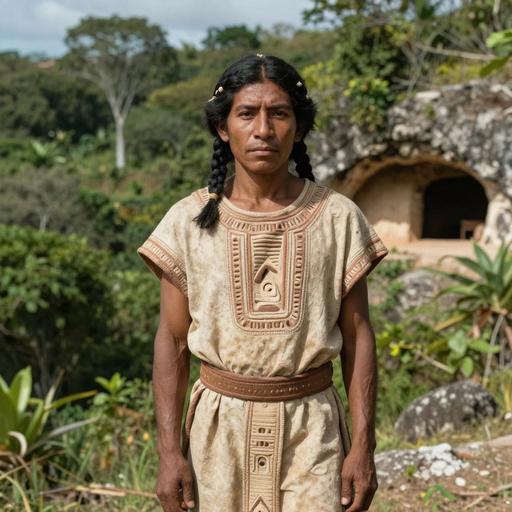
Portrait of ancient individual PDM004 from Cuba, dated 31 CE - 210 CE
PDM004
Cuba Archaic Period Playa del Mango, Cuba 31 CE - 210 CE Playa del Mango Q1b1a1a1 Direct
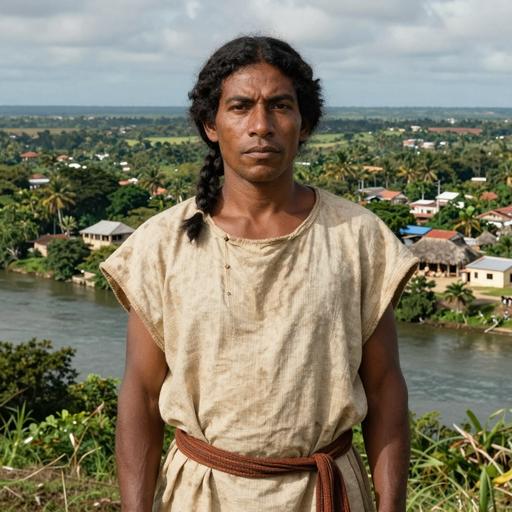
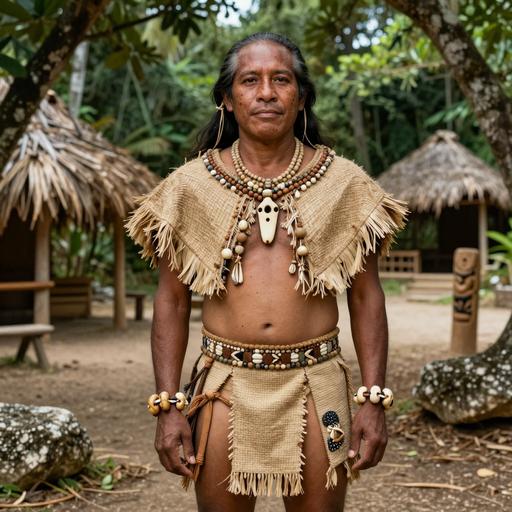
Portrait of ancient individual PDM008 from Cuba, dated 89 CE - 226 CE
PDM008
Cuba Archaic Period Playa del Mango, Cuba 89 CE - 226 CE Playa del Mango Q1b1a1a1 Direct
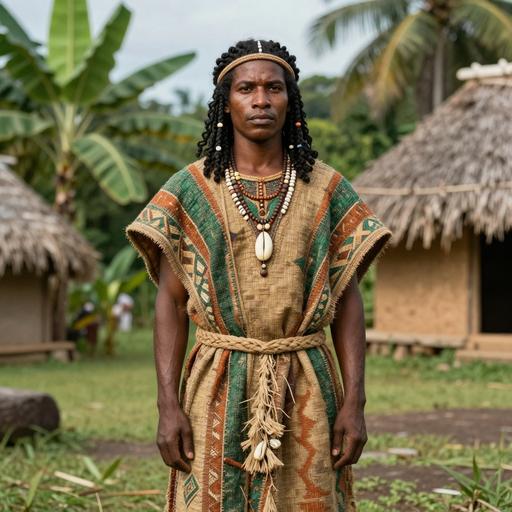
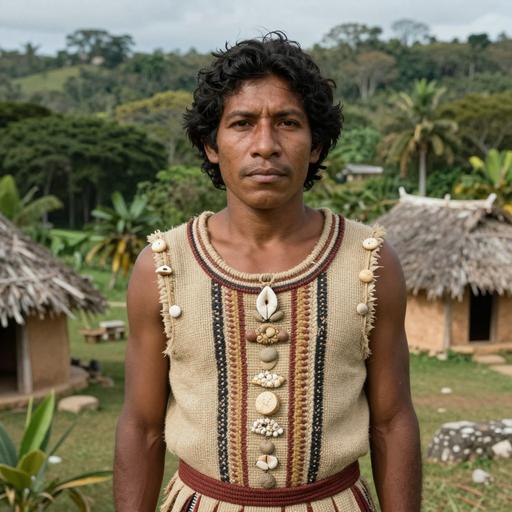
Portrait of ancient individual PDM009 from Cuba, dated 150 BCE - 250 CE
PDM009
Cuba Archaic Period Playa del Mango, Cuba 150 BCE - 250 CE Playa del Mango Q1b1a1a1 Direct
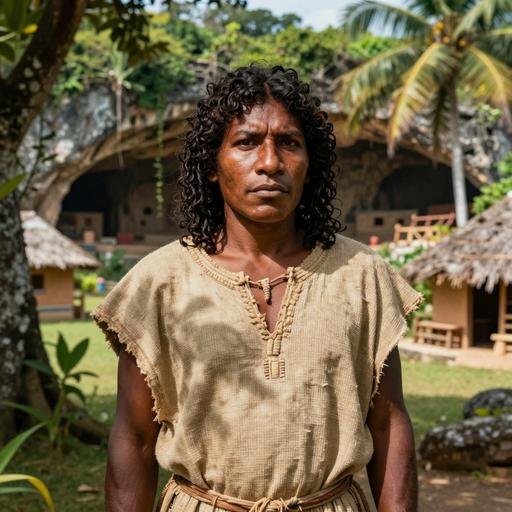
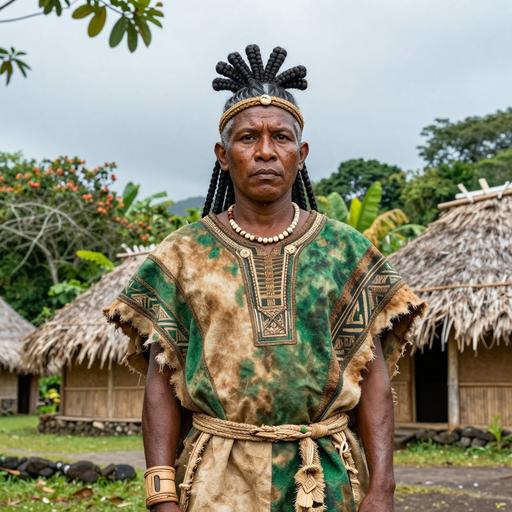
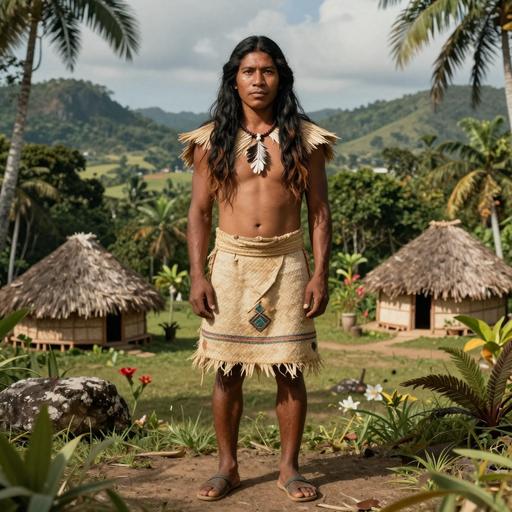
Portrait of ancient individual CAO014 from Cuba, dated 263 CE - 531 CE
CAO014
Cuba Archaic Period Canimar Abajo, Cuba 263 CE - 531 CE Canimar Abajo Q1b1a1a1 Direct
Portrait of ancient individual CAO029 from Cuba, dated 601 CE - 654 CE
CAO029
Cuba Archaic Period Canimar Abajo, Cuba 601 CE - 654 CE Canimar Abajo Q1b1a1a1 Direct
Portrait of ancient individual CAO024 from Cuba, dated 604 CE - 656 CE
CAO024
Cuba Archaic Period Canimar Abajo, Cuba 604 CE - 656 CE Canimar Abajo Q1b1a1a1 Direct
Portrait of ancient individual CAO022026 from Cuba, dated 605 CE - 660 CE
CAO022026
Cuba Archaic Period Canimar Abajo, Cuba 605 CE - 660 CE Canimar Abajo Q1b1a1a1 Direct
Portrait of ancient individual CAO027 from Cuba, dated 608 CE - 670 CE
CAO027
Cuba Archaic Period Canimar Abajo, Cuba 608 CE - 670 CE Canimar Abajo Q1b1a1a1 Direct
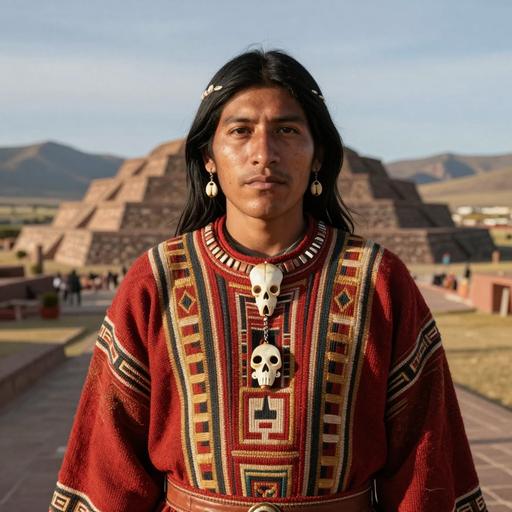
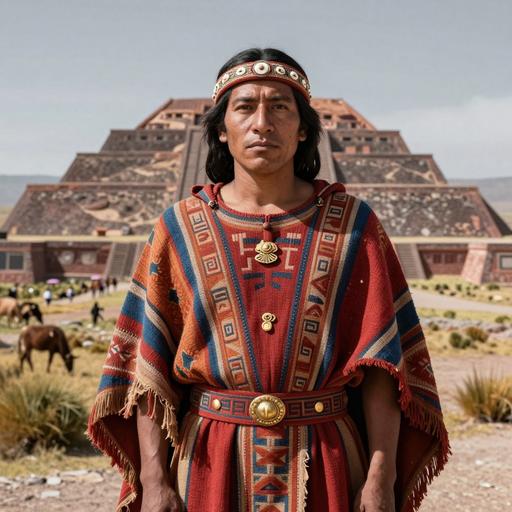
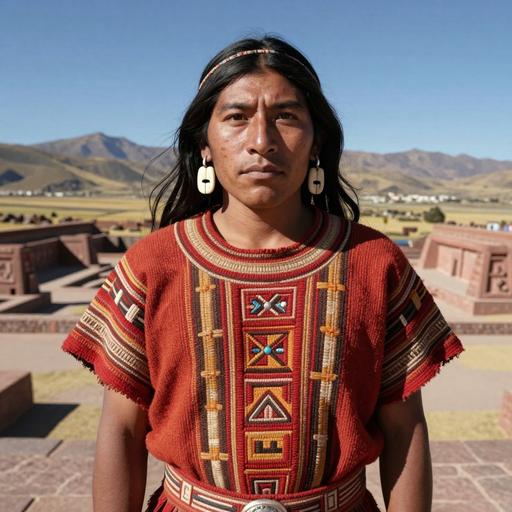
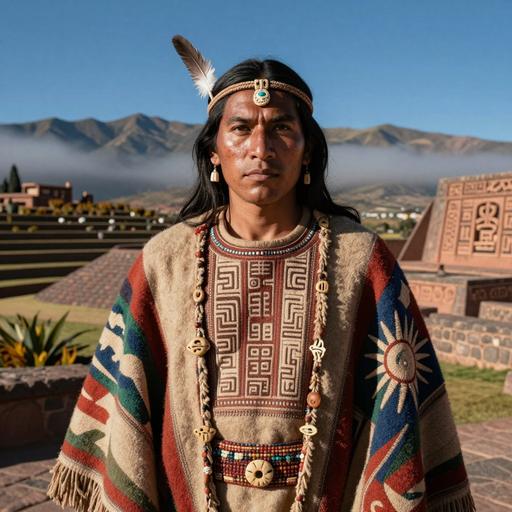
Portrait of ancient individual TW004 from Bolivia, dated 773 CE - 989 CE
TW004
Bolivia Tiwanaku Culture at Akapana, Bolivia 773 CE - 989 CE Tiwanaku Q1b1a1a1 Direct
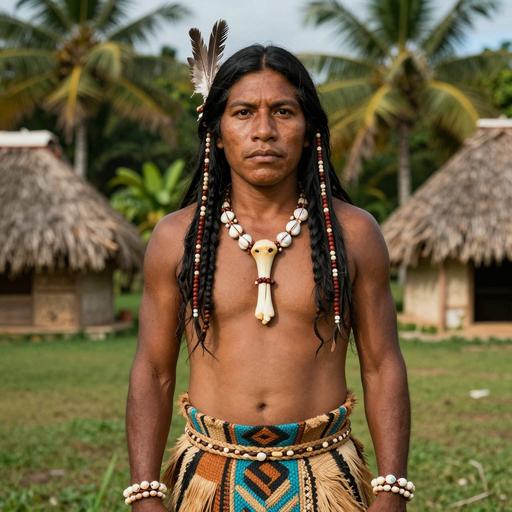
Portrait of ancient individual GUY001 from Cuba, dated 800 BCE - 400 CE
GUY001
Cuba Archaic Period Guayabo Blanco, Cuba 800 BCE - 400 CE Guayabo Blanco Q1b1a1a1 Direct
Chapter VI

Carrier Distribution Map

Geographic distribution of 29 ancient DNA samples (direct and subclade carriers of Q1B1A1A1)

Direct carrier Subclade carrier
Time Period Filter
All Time Periods
Showing all samples
Chapter VII

Temporal Distribution

Distribution of carriers across archaeological periods

Chapter VIII

Geographic Distribution

Distribution by country of origin (direct and subclade carriers shown by default)

Chapter IX

Country × Era Distribution

Cross-tabulation of carrier countries and archaeological periods (direct and subclade carriers shown by default)

Data

Data & Provenance

Source information and data quality

Last Updated 2026-02-16
Confidence Score 50/100
Coverage Low
Data Source

We use the latest phylotree for YDNA haplogroup classification and data.