Menu
Y-DNA Haplogroup • Paternal Lineage

R1B1A1B1A1A2A

Y-DNA Haplogroup R1B1A1B1A1A2A

~1,000 years ago
British Isles and western France
4 subclades
29 ancient samples
Scroll to explore
Chapter I

The Story

The journey of Y-DNA haplogroup R1B1A1B1A1A2A

Origins and Evolution

R1B1A1B1A1A2A is a downstream subclade of R1B1A1B1A1A2, itself nested within the broader R1b lineage that dominates much of Western Europe. Based on its phylogenetic position and the proposed age of its parent clade, R1B1A1B1A1A2A most plausibly arose in the Early Medieval timeframe (roughly the first millennium CE), as localized population structure and drift produced new private SNPs within regional R1b groups. This timing and geographic setting indicate the clade is the product of relatively recent demographic processes — such as population bottlenecks, founder effects, and localized expansions — rather than the earlier continent-wide Bronze Age dispersals that shaped higher-level R1b diversity.

Subclades

As a very deep downstream branch, R1B1A1B1A1A2A may include further minor internal subclades visible only with high-resolution sequencing. Because it is derived from a parent clade concentrated in the British Isles and western France, many of its internal splits are expected to be geographically restricted and to show short branch lengths consistent with recent coalescence. Continued dense sampling and whole Y-chromosome sequencing of individuals from northwest Europe will clarify internal substructure and the presence of any phylogeographic signatures (for example island-specific or county-level clusters).

Geographical Distribution

The distribution of R1B1A1B1A1A2A follows the pattern of its parent clade, with highest prevalence in the British Isles and parts of western France, lower but detectable frequencies in northern Iberia, and sporadic occurrences in Central and Eastern Europe. The haplogroup also appears at low frequency in coastal North Africa and in diaspora populations worldwide (the Americas, Oceania) where historical migrations carried northwest European paternal lineages. Its relatively recent origin explains why the clade is geographically concentrated rather than pan-European.

Historical and Cultural Significance

Because the clade seems to have formed after the major Bronze Age R1b expansions, its significance is more tied to regional developments in the Iron Age to Early Medieval eras than to prehistoric continent-scale migrations. The pattern is consistent with local demographic events such as the consolidation of localized kin groups, shifts in social structure during the later Roman and post-Roman periods, and the movement of peoples within the British Isles and across the Channel. Where present, R1B1A1B1A1A2A can provide a useful marker for studying microevolutionary processes in northwest Europe and for tracing paternal lineages that contributed to population changes in the first millennium CE.

Conclusion

R1B1A1B1A1A2A is a narrowly distributed, recent branch of R1b reflecting late prehistoric to early historic demographic dynamics in the British Isles and western France. It illustrates how high-resolution Y-chromosome phylogenies can recover fine-scale population structure from the last one to two thousand years and serves as a target for future ancient DNA and population-genetic studies aiming to resolve regional paternal histories in northwest Europe.

Key Points

  • Origins and Evolution
  • Subclades
  • Geographical Distribution
  • Historical and Cultural Significance
  • Conclusion
Chapter II

Tree & Relationships

Phylogenetic context and subclades

Evolution Path

This haplogroup's evolutionary journey from its earliest ancestor to the present.

Steps Haplogroup Age Estimate Archaeology Era Time Passed Immediate Descendants Tested Modern Descendants Ancient Connections
1 R1B1A1B1A1A2A Current ~1,000 years ago 🏰 Medieval 1,200 years 4 0 29
Chapter III

Where in the World

Geographic distribution and modern presence

Place of Origin

British Isles and western France

Modern Distribution

The populations where Y-DNA haplogroup R1B1A1B1A1A2A is found include:

  1. British Isles (England, Ireland, Scotland, Wales)
  2. Western France (Brittany, Normandy, coastal western regions)
  3. Northern Iberia (northern Spain, northern Portugal, Basque-adjacent areas)
  4. Central Europe (Germany, Switzerland, Austria — low to moderate frequencies)
  5. Eastern Europe (sporadic occurrences)
  6. Coastal North Africa (low frequencies related to historical contact)
  7. Near East and Caucasus (rare/isolated findings)
  8. Diaspora populations in the Americas and Oceania (colonial-era migrations)

Regional Presence

Northwest Europe (British Isles & Western France) High
Northern Iberia Moderate
Central Europe Low
Eastern Europe Low
North Africa (coastal) Low
Near East & Caucasus Low
North America (diaspora) Low
Oceania (diaspora) Low
CHAPTER IV

When in Time

Your haplogroup in the context of human history

~10k years ago

Neolithic Revolution

Agriculture begins, settled communities form

~5k years ago

Bronze Age

Metalworking, writing, and early civilizations

~3k years ago

Iron Age

Iron tools, expanded trade networks

~2k years ago

Classical Antiquity

Greek and Roman civilizations flourish

~1k years ago

Haplogroup R1B1A1B1A1A2A

Your Y-DNA haplogroup emerged in British Isles and western France

British Isles and western France
Present

Present Day

Modern era

Your Haplogroup
Historical Era
Chapter IV-B

Linked Cultures

Ancient cultures associated with Y-DNA haplogroup R1B1A1B1A1A2A

Cultural Heritage

These ancient cultures have been linked to haplogroup R1B1A1B1A1A2A based on matching ancient DNA samples from archaeological excavations. The presence of this haplogroup in these cultures provides insights into the migrations and population movements of populations carrying this haplogroup.

Bell Beaker Early Bronze Age Iberian East Yorkshire El Argar La Clape Culture Late Iron Age British Middle Iron Age British Unetice Culture
Culture assignments are based on archaeological context of ancient DNA samples and may represent regional associations during specific time periods.
Chapter V

Sample Catalog

6 direct carriers and 23 subclade carriers of haplogroup R1B1A1B1A1A2A

29 / 29 samples
Portrait Sample Country Era Date Culture Y-DNA Match
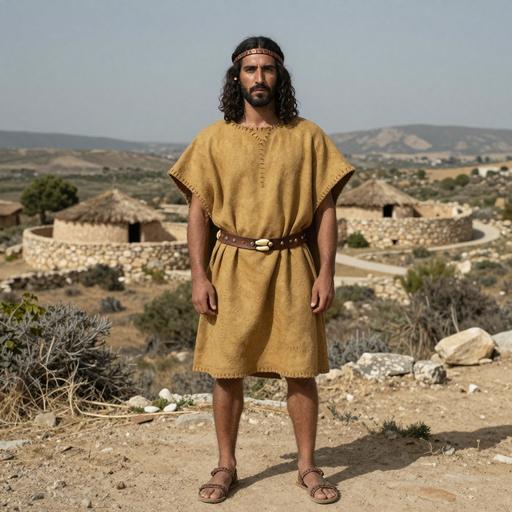
Portrait of ancient individual I16450 from United Kingdom, dated 300 BCE - 100 CE
I16450
United Kingdom Middle to Late Iron Age England 300 BCE - 100 CE Late Iron Age British R1b1a1b1a1a2a Direct
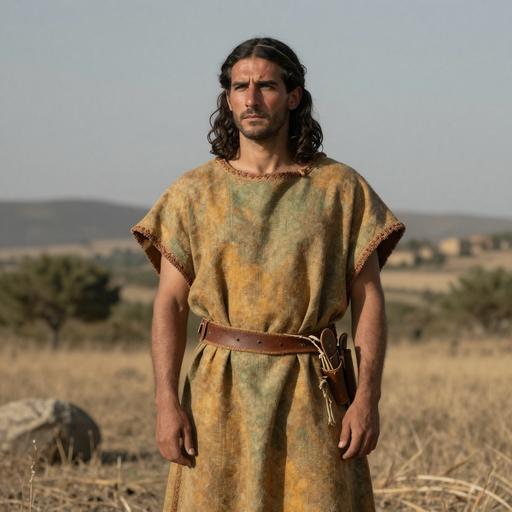
Portrait of ancient individual I14327 from United Kingdom, dated 340 BCE - 47 BCE
I14327
United Kingdom East Yorkshire Iron Age 340 BCE - 47 BCE East Yorkshire R1b1a1b1a1a2a Direct
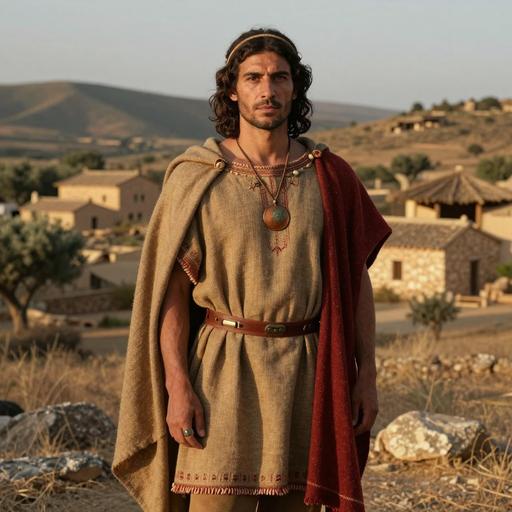
Portrait of ancient individual I11143 from United Kingdom, dated 352 BCE - 53 BCE
I11143
United Kingdom Middle to Late Iron Age England 352 BCE - 53 BCE Late Iron Age British R1b1a1b1a1a2a Direct
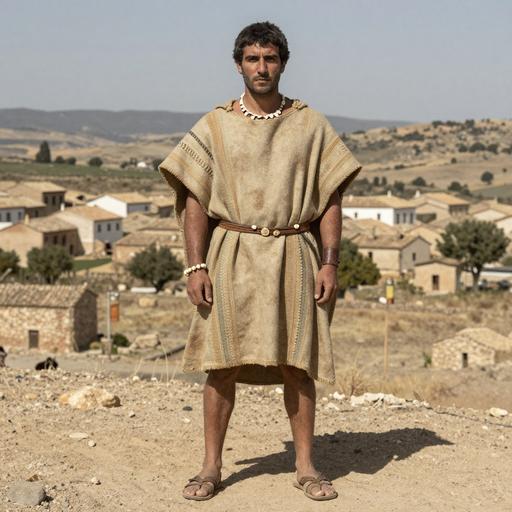
Portrait of ancient individual I12413 from United Kingdom, dated 400 BCE - 50 BCE
I12413
United Kingdom East Yorkshire Iron Age 400 BCE - 50 BCE East Yorkshire R1b1a1b1a1a2a Direct
Portrait of ancient individual I12771 from United Kingdom, dated 513 BCE - 210 BCE
I12771
United Kingdom Middle Iron Age England 513 BCE - 210 BCE Middle Iron Age British R1b1a1b1a1a2a Direct
Portrait of ancient individual I6470 from Spain, dated 1746 BCE - 1540 BCE
I6470
Spain Early Bronze Age Spain 1746 BCE - 1540 BCE Early Bronze Age Iberian R1b1a1b1a1a2a Direct
Portrait of ancient individual EFA007 from Spain, dated 1200 BCE - 1000 BCE
EFA007
Spain Late Bronze Age Spain 1200 BCE - 1000 BCE Iberian Bronze Age R1b1a1b1a1a2a1 Downstream
Portrait of ancient individual LHO001 from Spain, dated 1611 BCE - 1441 BCE
LHO001
Spain Bronze Age La Horna, Spain 1611 BCE - 1441 BCE La Horna R1b1a1b1a1a2a1 Downstream
Portrait of ancient individual LHO002 from Spain, dated 1620 BCE - 1462 BCE
LHO002
Spain Bronze Age La Horna, Spain 1620 BCE - 1462 BCE La Horna R1b1a1b1a1a2a1 Downstream
Portrait of ancient individual ALM039 from Spain, dated 1739 BCE - 1535 BCE
ALM039
Spain The Argaric Culture of Spain 1739 BCE - 1535 BCE El Argar R1b1a1b1a1a2a1 Downstream
Chapter VI

Carrier Distribution Map

Geographic distribution of 29 ancient DNA samples (direct and subclade carriers of R1B1A1B1A1A2A)

Direct carrier Subclade carrier
Time Period Filter
All Time Periods
Showing all samples
Chapter VII

Temporal Distribution

Distribution of carriers across archaeological periods

Chapter VIII

Geographic Distribution

Distribution by country of origin (direct and subclade carriers shown by default)

Chapter IX

Country × Era Distribution

Cross-tabulation of carrier countries and archaeological periods (direct and subclade carriers shown by default)

Data

Data & Provenance

Source information and data quality

Last Updated 2026-02-16
Confidence Score 50/100
Coverage Low
Data Source

We use the latest phylotree for YDNA haplogroup classification and data.