Menu
Y-DNA Haplogroup • Paternal Lineage

R1B1A1B1A1A2B

Y-DNA Haplogroup R1B1A1B1A1A2B

~800 years ago
British Isles / Western France
3 subclades
12 ancient samples
Scroll to explore
Chapter I

The Story

The journey of Y-DNA haplogroup R1B1A1B1A1A2B

Origins and Evolution

R1B1A1B1A1A2B is a terminal subclade nested beneath R1B1A1B1A1A2, itself a Western/Central European branch of R1b that differentiated after the Bronze Age. Based on its position in the phylogeny and low internal diversity relative to older R1b lineages, R1B1A1B1A1A2B most likely arose in the first millennium CE (on the order of hundreds of years ago rather than several millennia). This chronology is consistent with a split from the parent lineage during the Late Iron Age to Early Medieval period, a time of substantial regional turnover and population structuring in northwestern Europe.

Subclades

As a relatively recent terminal clade, R1B1A1B1A1A2B shows limited, shallow downstream diversification in available datasets. Where genotyped at high resolution, carriers often fall into a small number of closely related downstream branches or private SNP clusters that appear geographically localized (for example to particular counties or coastal regions). Continued dense SNP discovery and targeted sequencing of modern and medieval samples could reveal additional named subclades; at present its internal structure is best characterized as a handful of short branches consistent with a recent common ancestor and subsequent local expansions.

Geographical Distribution

R1B1A1B1A1A2B is concentrated in the northwestern sector of Western Europe. Modern sampling and reported matches indicate highest frequencies in parts of the British Isles (particularly western and northwestern Britain) and in adjacent regions of western France such as Brittany, with lower frequencies in northern Iberia (including some Basque-area detections) and scattered low-level presence in Central Europe. Sporadic occurrences in historical contact zones (coastal North Africa, the Near East) and in colonial-era diaspora populations in the Americas and Oceania are consistent with known patterns of migration and recent mobility.

Historical and Cultural Significance

The timing and geography suggest that R1B1A1B1A1A2B became concentrated through regional demographic processes during the Late Iron Age and especially the Early Medieval period, a span that includes population movements, local expansions, and the formation of ethnic and political units (Celtic groups, early medieval kingdoms, later Norse and Norman contacts). It may be overrepresented in areas with strong continuity of local male lineages or with significant founder effects (e.g., isolated coastal or upland communities). While associations with specific archaeological cultures should be made cautiously for such a recent lineage, the clade is plausibly connected to populations involved in post-Roman and early medieval regional dynamics rather than the earlier pan-European Bronze Age dispersals.

Conclusion

R1B1A1B1A1A2B represents a recent, regionally focused branch of R1b tied to northwestern Europe, especially the British Isles and western France. Its pattern—low internal diversity, geographic concentration, and appearance in medieval contexts—fits a model of origin in the first millennium CE followed by localized expansions and persistence in certain coastal and inland communities. Further high-resolution sequencing of both modern and ancient samples will clarify its microphylogeny and finer-scale historical movements.

Key Points

  • Origins and Evolution
  • Subclades
  • Geographical Distribution
  • Historical and Cultural Significance
  • Conclusion
Chapter II

Tree & Relationships

Phylogenetic context and subclades

Evolution Path

This haplogroup's evolutionary journey from its earliest ancestor to the present.

Steps Haplogroup Age Estimate Archaeology Era Time Passed Immediate Descendants Tested Modern Descendants Ancient Connections
1 R1B1A1B1A1A2B Current ~800 years ago 🏰 Medieval 800 years 3 161 12
Chapter III

Where in the World

Geographic distribution and modern presence

Place of Origin

British Isles / Western France

Modern Distribution

The populations where Y-DNA haplogroup R1B1A1B1A1A2B is found include:

  1. British Isles (particularly western and northwestern Britain)
  2. Western France (notably Brittany and adjacent regions)
  3. Northern Iberia (northern Spain, northern Portugal, low-to-moderate frequencies)
  4. Central Europe (Germany, Switzerland, Austria — low frequencies)
  5. Coastal North Africa (sporadic, historical contact zones)
  6. Near East and Caucasus (rare, likely historical mobility)
  7. Colonial-era diaspora populations in the Americas and Oceania (scattered occurrences)

Regional Presence

Western Europe High
British Isles & Ireland High
Iberian Peninsula (north) Low
Central Europe Low
North Africa (coastal) Low
CHAPTER IV

When in Time

Your haplogroup in the context of human history

~10k years ago

Neolithic Revolution

Agriculture begins, settled communities form

~5k years ago

Bronze Age

Metalworking, writing, and early civilizations

~3k years ago

Iron Age

Iron tools, expanded trade networks

~2k years ago

Classical Antiquity

Greek and Roman civilizations flourish

~800 years ago

Haplogroup R1B1A1B1A1A2B

Your Y-DNA haplogroup emerged in British Isles / Western France

British Isles / Western France
Present

Present Day

Modern era

Your Haplogroup
Historical Era
Chapter IV-B

Linked Cultures

Ancient cultures associated with Y-DNA haplogroup R1B1A1B1A1A2B

Cultural Heritage

These ancient cultures have been linked to haplogroup R1B1A1B1A1A2B based on matching ancient DNA samples from archaeological excavations. The presence of this haplogroup in these cultures provides insights into the migrations and population movements of populations carrying this haplogroup.

Bell Beaker Sarmatian Culture Unetice Culture
Culture assignments are based on archaeological context of ancient DNA samples and may represent regional associations during specific time periods.
Chapter V

Sample Catalog

1 direct carrier and 11 subclade carriers of haplogroup R1B1A1B1A1A2B

12 / 12 samples
Portrait Sample Country Era Date Culture Y-DNA Match
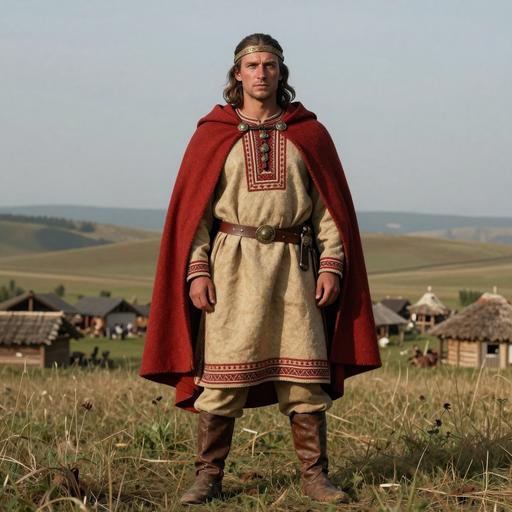
Portrait of ancient individual A181023 from Hungary, dated 350 CE - 450 CE
A181023
Hungary Early Hun Period Sarmatian Transtisza, Hungary 350 CE - 450 CE Sarmatian Culture R1b1a1b1a1a2b Direct
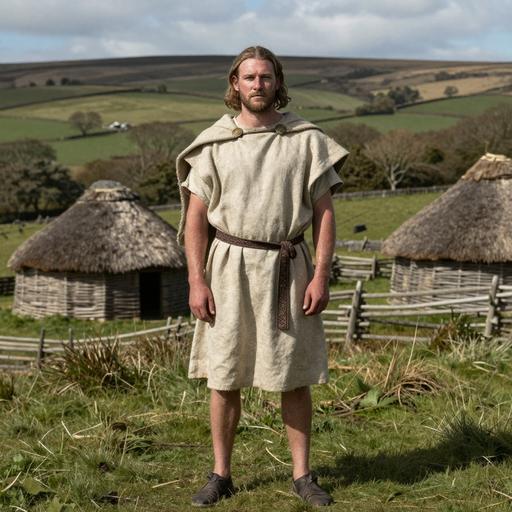
Portrait of ancient individual 6DT22 from United Kingdom, dated 50 CE - 350 CE
6DT22
United Kingdom Iron Age to Roman England 50 CE - 350 CE Iron Age-Roman R1b1a1b1a1a2b1 Downstream
Portrait of ancient individual I14097 from United Kingdom, dated 162 BCE - 26 BCE
I14097
United Kingdom Late Iron Age England 162 BCE - 26 BCE British Late Iron Age R1b1a1b1a1a2b1 Downstream
Portrait of ancient individual I16422 from United Kingdom, dated 364 BCE - 121 BCE
I16422
United Kingdom Middle to Late Iron Age Scotland 364 BCE - 121 BCE Scottish Iron Age R1b1a1b1a1a2b1 Downstream
Portrait of ancient individual I18530 from Hungary, dated 381 BCE - 203 BCE
I18530
Hungary The La Tene Culture in Hungary 381 BCE - 203 BCE La Tene Culture R1b1a1b1a1a2b1 Downstream
Portrait of ancient individual I13758 from United Kingdom, dated 400 BCE - 50 BCE
I13758
United Kingdom East Yorkshire Iron Age 400 BCE - 50 BCE East Yorkshire R1b1a1b1a1a2b1 Downstream
Portrait of ancient individual I13759 from United Kingdom, dated 400 BCE - 50 BCE
I13759
United Kingdom East Yorkshire Iron Age 400 BCE - 50 BCE East Yorkshire R1b1a1b1a1a2b1 Downstream
Portrait of ancient individual I20982 from United Kingdom, dated 450 BCE - 1 BCE
I20982
United Kingdom Middle to Late Iron Age England 450 BCE - 1 BCE Late Iron Age British R1b1a1b1a1a2b1 Downstream
Portrait of ancient individual VK177 from United Kingdom, dated 880 CE - 1000 CE
VK177
United Kingdom Viking Age England 880 CE - 1000 CE Viking R1b1a1b1a1a2b1 Downstream
Portrait of ancient individual I5516 from United Kingdom, dated 1872 BCE - 1547 BCE
I5516
United Kingdom Early Bronze Age Scotland 1872 BCE - 1547 BCE Scottish Bronze Age R1b1a1b1a1a2b1 Downstream
Chapter VI

Carrier Distribution Map

Geographic distribution of 12 ancient DNA samples (direct and subclade carriers of R1B1A1B1A1A2B)

Direct carrier Subclade carrier
Time Period Filter
All Time Periods
Showing all samples
Chapter VII

Temporal Distribution

Distribution of carriers across archaeological periods

Chapter VIII

Geographic Distribution

Distribution by country of origin (direct and subclade carriers shown by default)

Chapter IX

Country × Era Distribution

Cross-tabulation of carrier countries and archaeological periods (direct and subclade carriers shown by default)

Data

Data & Provenance

Source information and data quality

Last Updated 2026-02-16
Confidence Score 50/100
Coverage Low
Data Source

We use the latest phylotree for YDNA haplogroup classification and data.