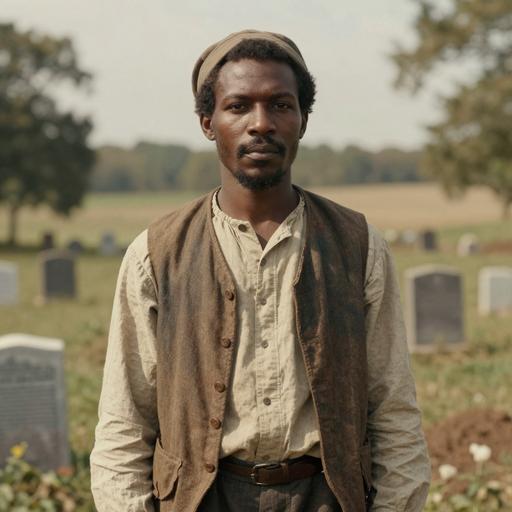
The Story
The journey of mtDNA haplogroup L0A1
Origins and Evolution
Haplogroup L0A1 is a subclade of the African haplogroup L0a, itself a branch of the deeply rooted African mtDNA macro-haplogroup L0. L0 lineages are among the oldest in the human mitochondrial phylogeny, and L0a appears as a later, regionally focused radiation. Based on the phylogenetic position of L0A1 within L0a and molecular clock estimates for neighboring clades, L0A1 most likely coalesced during the late Pleistocene (on the order of ~10–30 kya), with a working estimate around 20 kya. This places its origin after the earliest L0 splits but before or during climatic and demographic events of the Terminal Pleistocene and Early Holocene that shaped regional population structure in eastern Africa.
Subclades
As an intermediate-level clade within L0a, L0A1 branches into finer sublineages that show geographically structured variation in regional datasets. In many population surveys, researchers report internal substructure (for example, L0a1a-like and L0a1b-like clusters in published trees), but nomenclature and resolution vary among studies as sampling improves. These subclades can help track localized maternal expansions, founder effects, and historical migrations (for instance, movements associated with the Bantu expansion and coastal dispersals to Madagascar).
Geographical Distribution
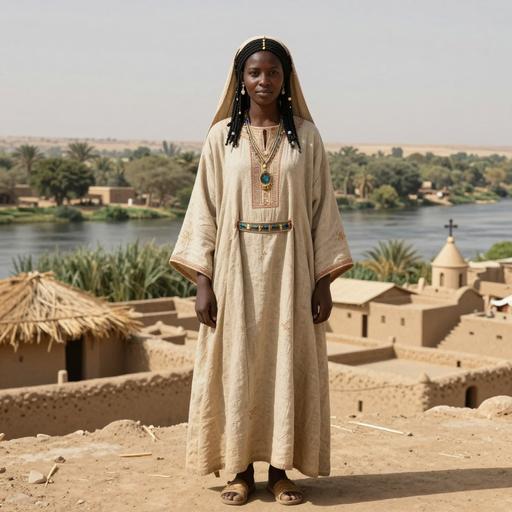
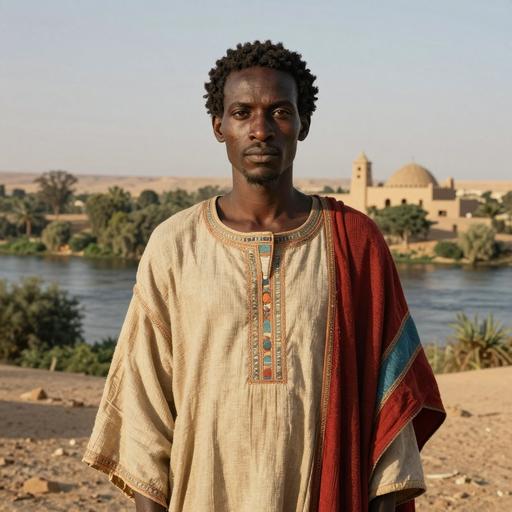
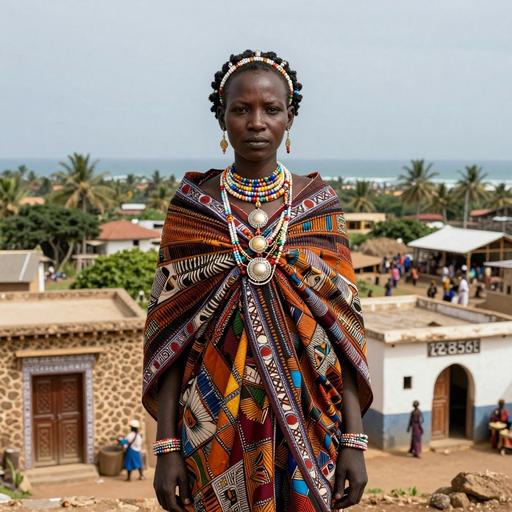
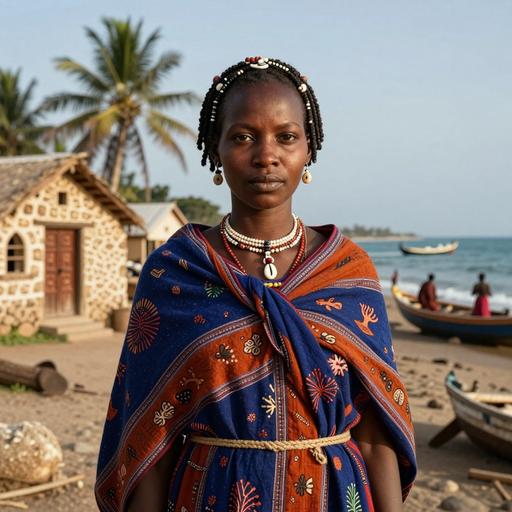
L0A1 is concentrated in eastern Africa (the Horn, the Great Lakes region, and adjacent parts of Tanzania and Kenya) and is also detected at moderate frequencies in southern African Bantu-speaking populations—reflecting southward spread during the Holocene. It is present at lower frequencies in central African Bantu groups and is detectable in Madagascar due to historic African–Austronesian admixture. Through the Atlantic slave trade and more recent migrations, L0A1-derived lineages occur at low frequencies in parts of the Americas and the Caribbean among people of African descent.
Historical and Cultural Significance
While mtDNA lineages are not direct markers of cultural identity, L0A1 patterns correlate with several important demographic events in African prehistory and history. Its distribution is consistent with:
- Contributions to maternal gene pools of eastern African pastoralist and agricultural communities during the Holocene.
- Movement southward with Bantu-speaking agriculturalists, explaining moderate frequencies in southern African Bantu populations.
- Maternal input into Malagasy populations, where African maternal lineages combined with Austronesian paternal and maternal contributions to form the island's distinct gene pool.
These associations make L0A1 useful for reconstructing maternal lineage continuity and contact between populations in eastern and southern Africa across the Late Pleistocene and Holocene.
Conclusion
L0A1 is a regionally informative maternal clade whose age and phylogenetic position place it as a late Pleistocene/Early Holocene lineage originating in eastern Africa. Ongoing dense sampling and full mitogenome sequencing continue to refine its internal structure and historical interpretations, but current evidence supports a primary East African origin with subsequent spread via Holocene demographic processes such as the Bantu expansion and coastal/admixture events involving Madagascar and the African diaspora.
Key Points
- Origins and Evolution
- Subclades
- Geographical Distribution
- Historical and Cultural Significance
- Conclusion