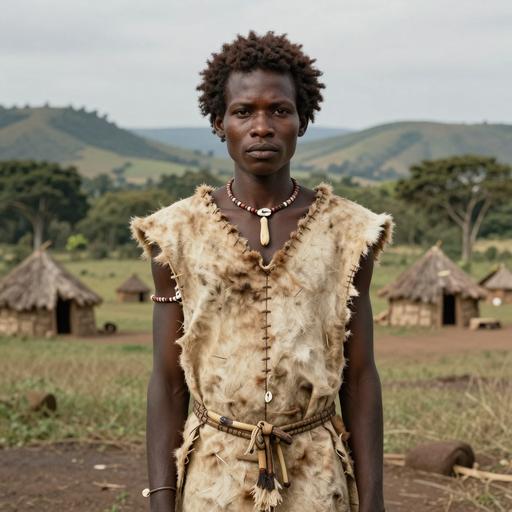
The Story
The journey of mtDNA haplogroup L0D1
Origins and Evolution
mtDNA haplogroup L0d1 is a subclade of the ancient African macro-haplogroup L0, specifically deriving from the L0d branch. Haplogroup L0 is one of the earliest-splitting maternal lineages in the human mitochondrial phylogeny, and sublineages of L0 (notably L0d and L0k) retain very deep coalescence times. Based on phylogenetic position and comparative dating of related L0 lineages, L0d1 is generally inferred to have diversified in southern Africa during the Late Pleistocene, with plausible time depth on the order of tens of thousands of years (we estimate ~60 kya as a conservative midpoint estimate for the origination of the L0d1 branch, recognizing that published estimates vary and depend on molecular clock calibrations).
Subclades
Within the L0d clade, L0d1 is further subdivided in different phylogenetic resources and population studies; reported internal subclades include lineages variously labeled L0d1a, L0d1b, etc., reflecting geographically structured diversification among southern African hunter-gatherer groups. These subclades are used in population studies to track fine-scale maternal structure and local demographic events (e.g., isolation, bottlenecks, and localized expansions) among Khoe-San groups and neighboring populations.
Geographical Distribution
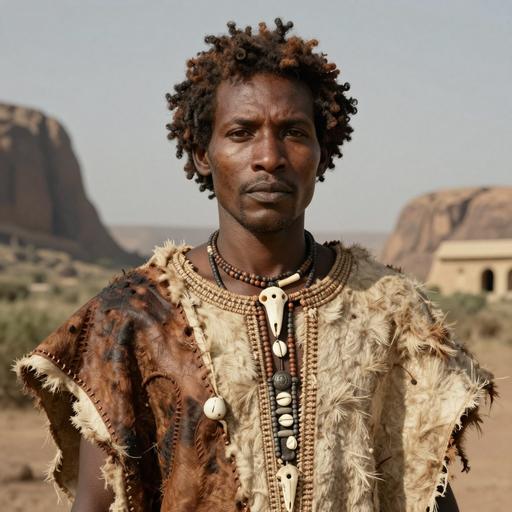
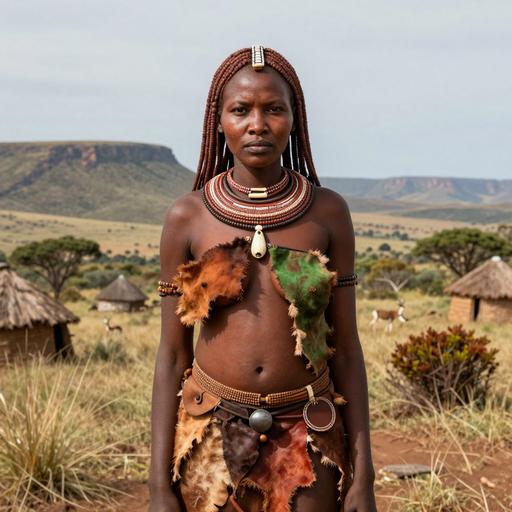
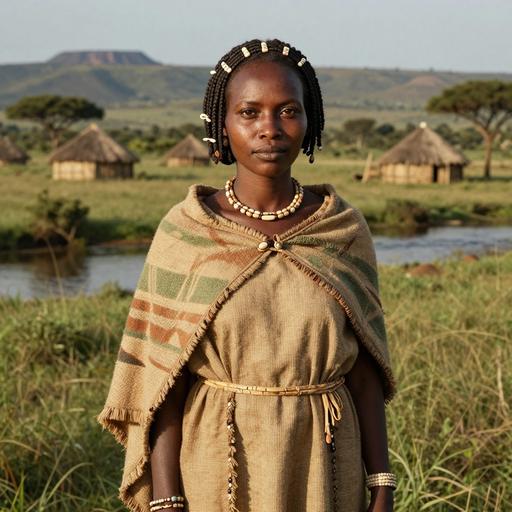
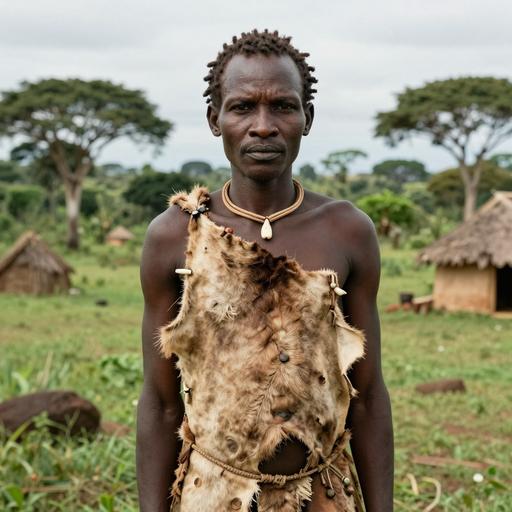
L0d1 is concentrated in southern Africa, where the highest frequencies and greatest diversity of L0d lineages occur. The haplogroup is characteristically found at high frequency among Khoe-San (often called San or Bushmen) groups and is also present among Khoekhoe pastoralist groups. Because of historic and prehistoric admixture, L0d1 (and other L0d lineages) can also be detected at lower frequencies among mixed-ancestry populations (for example, the so-called Coloured communities of South Africa) and in some neighboring Bantu-speaking populations who have received maternal gene flow from autochthonous southern African groups.
Published population surveys repeatedly show very high diversity of L0d lineages in southern African hunter-gatherers, supporting an in situ antiquity and long-term continuity of these maternal lineages in the region.
Historical and Cultural Significance
L0d1 and related L0d/L0k lineages carry important anthropological signal for the study of early modern human population structure in Africa. The concentration of L0d1 in Khoe-San groups links the lineage to hunter-gatherer lifeways and the Later Stone Age archaeological context in southern Africa. Patterns of L0d1 distribution also provide measurable genetic evidence for later cultural processes, including the spread of pastoralism and contacts with incoming Bantu-speaking agriculturalists, which produced measurable maternal admixture in certain groups. Because L0d lineages are among the deepest maternal branches, they are frequently cited in discussions of human origins, population differentiation within Africa, and the long-term demographic history of southern Africa.
Conclusion
mtDNA haplogroup L0d1 is best understood as a deep, regionally concentrated maternal lineage rooted in southern Africa and closely associated with Khoe-San populations. Its antiquity and geographic specificity make L0d1 a key marker for reconstructing Pleistocene and Holocene population histories in southern Africa, including hunter-gatherer persistence, local diversification, and later admixture events. Continued sampling and high-resolution mitogenome sequencing across southern African populations refine our understanding of L0d1 substructure and timing.
Key Points
- Origins and Evolution
- Subclades
- Geographical Distribution
- Historical and Cultural Significance
- Conclusion