The Story
The journey of mtDNA haplogroup L2b
Origins and Evolution
mtDNA haplogroup L2b is an internal branch of the broader L2 clade, part of the deep African mitochondrial diversity that characterizes sub-Saharan populations. As a subclade positioned within the L2 phylogeny, L2b likely split from neighboring L2 lineages during the Late Pleistocene to early Holocene (a reasonable estimate is on the order of tens of thousands of years ago). The lineage's age and branching patterns are still being refined; higher-resolution whole-mitogenome sequencing and denser sampling across West and Central Africa are required to clarify its internal structure and precise coalescence time.
Subclades
Detailed, well-supported subclade structure for L2b (for example L2b1, L2b2, etc.) is currently limited in the public literature compared with better-studied clades such as L2a. Some catalogues and phylogenies identify internal variants, but many apparent sub-branches remain under-characterized because of sparse sampling and incomplete mitogenome coverage in parts of West and Central Africa. Future full-mitogenome studies should reveal clearer subclade definitions, geographic structure, and relative ages.
Geographical Distribution
L2b is concentrated in West and Central Africa, with the highest frequencies reported in multiple West African populations (for example groups sampled in Nigeria, Ghana, and coastal West Africa) and notable presence across Central African Bantu-speaking groups. It also appears at measurable but lower frequencies in populations outside Africa due to recent historical movements — most prominently in the African diaspora in the Americas and Caribbean, where L2 lineages were carried during the transatlantic slave trade. Low-level occurrences may be detected in North Africa and parts of southern Europe as a result of historic gene flow and modern migrations.
Historical and Cultural Significance
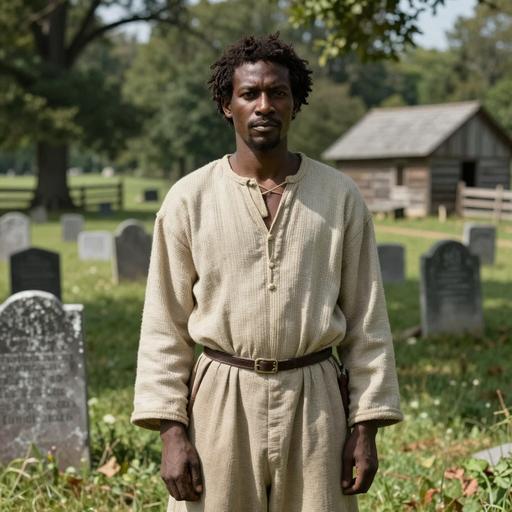
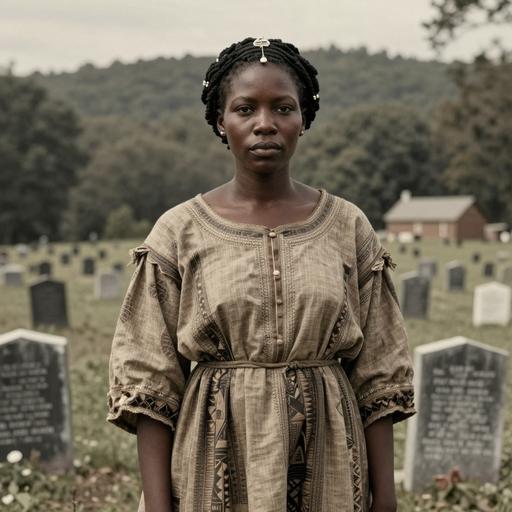
L2b, like other sub-Saharan maternal lineages, provides insight into prehistoric demography and recent history. It likely contributed to maternal ancestry in populations involved in later Holocene expansions, including the spread of Niger-Congo (Bantu) languages across Central, Eastern, and Southern Africa. In more recent history, L2b is represented among mitochondrial lineages sampled in the Americas and the Caribbean, reflecting forced migration during the transatlantic slave trade and subsequent demographic processes.
Conclusion
mtDNA haplogroup L2b is a West/Central African maternal lineage of Late Pleistocene–Holocene origin that remains incompletely resolved at high phylogenetic detail. Current knowledge places it primarily in West and Central African populations and in the African diaspora; obtaining more whole-mitogenome sequences from under-sampled regions is the key to refining its subclade structure, dating, and finer-scale geographic patterning. As datasets grow, L2b will help clarify maternal population movements within Africa and the maternal contributions to diaspora populations.
Key Points
- Origins and Evolution
- Subclades
- Geographical Distribution
- Historical and Cultural Significance
- Conclusion