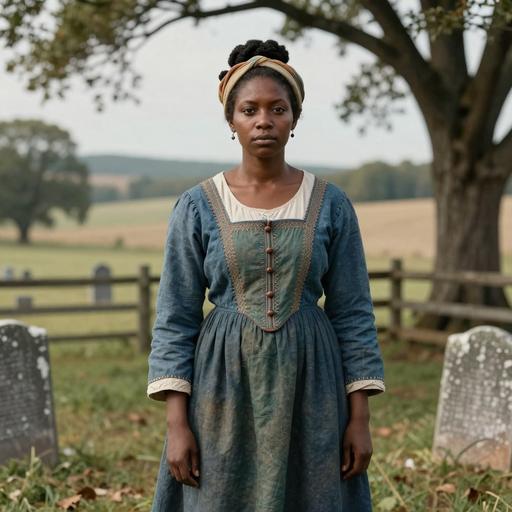
The Story
The journey of mtDNA haplogroup L3e
Origins and Evolution
mtDNA haplogroup L3e is a subclade of the broader L3 clade, which is a pivotal maternal lineage in human prehistory (L3 itself being the ancestor of many African lineages and the non-African M and N branches). L3e likely diversified within West and Central Africa during the Late Pleistocene to early Holocene (coalescence estimates for the L3e node are commonly placed on the order of a few ×10^4 years ago, here approximated as ~30 kya). Its emergence represents part of the deeper structure of sub-Saharan African maternal diversity that predates many later cultural expansions.
Subclades
L3e contains multiple sublineages (commonly designated L3e1, L3e2, L3e3, L3e4, L3e5 in different phylogenies), each with distinct geographic tendencies and internal chronologies. For example:
- L3e1: often observed at elevated frequencies in Central African populations, including some Pygmy groups and nearby Bantu speakers.
- L3e2: frequent across parts of West Africa and commonly detected in African-descended populations in the Americas.
- L3e3–L3e5: show more localized distributions with varying ages reflecting later diversification.
Phylogenetic studies of complete mitogenomes have refined these subclades and their relative ages, but sampling gaps remain, so precise branch dates and distributions are still refined as more African mitogenomes are sequenced.
Geographical Distribution
L3e is concentrated in West and Central Africa where its frequency is often high among a range of ethnic groups — agriculturalists, hunter-gatherer communities, and historically mobile populations. It is also prominent in the African diaspora (African Americans, Afro-Caribbean, and Afro-Brazilian communities) due to forced migrations during the transatlantic slave trade. Lower-frequency occurrences are reported in parts of East and North Africa, typically reflecting historical gene flow.
Historical and Cultural Significance
L3e's distribution has been shaped by both deep Paleolithic population structure and later demographic processes. Important historical associations include:
- Bantu expansions (Holocene, ~3–4 kya): L3e subclades are common among many Bantu-speaking groups, indicating that some L3e diversity moved with agricultural and iron-age expansions across Central, Eastern and Southern Africa.
- Transatlantic slave trade (last 500 years): L3e is well represented in African-descended populations in the Americas, where it is used in genetic studies to trace maternal ancestry back to specific regions of West and Central Africa.
Archaeological cultures per se in sub-Saharan Africa are less tightly linked to single mtDNA haplogroups than in some regions; nevertheless, the correlation of L3e with broad demographic events (Bantu expansion, historic migrations) is well-supported by population genetics.
Conclusion
L3e is a key component of sub-Saharan African maternal diversity. As an L3 subclade, it documents long-term regional continuity in West and Central Africa and played a role in Holocene demographic processes that redistributed African maternal lineages across the continent and, through historic events, to the Americas. Continued whole-mitogenome sampling across underrepresented African populations will improve resolution of L3e's internal structure, age estimates, and finer geographic patterning.
Key Points
- Origins and Evolution
- Subclades
- Geographical Distribution
- Historical and Cultural Significance
- Conclusion