The Story
The journey of Y-DNA haplogroup N1A1
Origins and Evolution
Y-DNA haplogroup N1A1 is a subclade within haplogroup N1A, itself part of the broader haplogroup N branch of the human Y-chromosome tree. The deeper N lineage is generally interpreted as having formed in northern Eurasia, with later diversification into branches associated with the forest belt extending from northeastern Europe to western Siberia.
As an intermediate descendant of N1A, N1A1 likely reflects a lineage that emerged during the late Upper Paleolithic or early postglacial period, when human populations were expanding into northern forest and subarctic environments. Its present-day distribution is consistent with later demographic expansions and founder effects among populations living in the Baltic region, northern Fennoscandia, and the Ural-Siberian forest zone.
Subclades
N1A1 is an intermediate clade, meaning it sits between its parent haplogroup and more derived downstream branches. In practical terms, this makes it important for linking broader N1A ancestry to more regionally specific paternal lines found in modern and ancient populations.
Because haplogroup nomenclature and branch resolution continue to improve with new sequencing, the exact internal branching structure of N1A1 may vary across studies or databases. However, its genealogical and population-genetic context places it within the northern Eurasian expansion history of haplogroup N.
Geographical Distribution
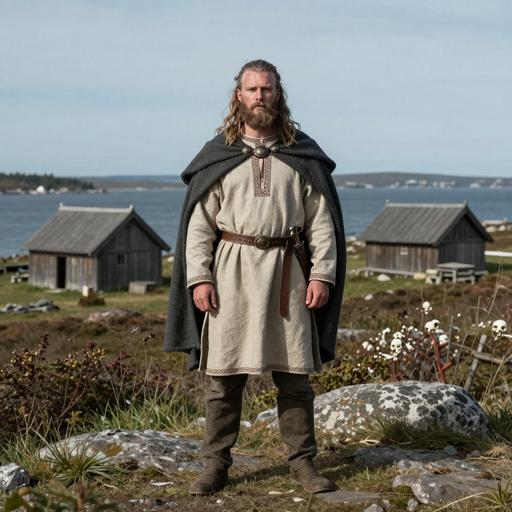
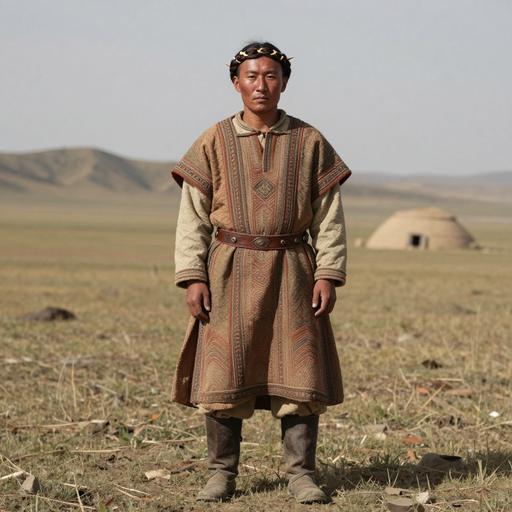
This lineage is most often observed in northeastern Europe and western Siberia, with notable concentrations among Finnish, Estonian, Latvian, Lithuanian, Sámi, and Uralic-speaking populations. It also appears in some northern and central Siberian groups, where it reflects the broader spread of haplogroup N-associated paternal ancestry across the Eurasian forest zone.
The distribution of N1A1 is shaped by both deep prehistoric dispersals and more recent historical processes, including the ethnogenesis of Uralic-speaking peoples, regional founder effects, and the demographic isolation of northern populations.
Historical and Cultural Significance
Haplogroup N1A1 is significant because it belongs to a paternal lineage family that is strongly tied to the Uralic and Baltic-Finnic world in population genetics. While no single archaeological culture can be claimed as the exclusive source of the lineage, its presence in northern Europe and Siberia is compatible with population movements connected to postglacial recolonization, forest-zone foraging and fishing economies, and later Neolithic to Bronze Age interactions across northeastern Europe.
In ancient DNA research, lineages within haplogroup N are often discussed in relation to the spread and persistence of paternal ancestry in the circum-Baltic region and western Siberia. For N1A1 specifically, the strongest modern associations are with populations that retained high levels of northern Eurasian paternal continuity.
Geographical Distribution
N1A1 is found in both modern and some ancient populations across a broad but northern-biased Eurasian range. The highest frequencies are typically observed in Baltic-Finnic and Uralic-speaking populations, while lower-frequency occurrences may appear in neighboring European, Siberian, and Central/North Asian groups.
Conclusion
Y-DNA haplogroup N1A1 represents a northern Eurasian paternal lineage with especially strong relevance to the demographic history of Finno-Ugric and Baltic-Finnic populations. Its distribution highlights long-term continuity in the forest zone of Europe and Siberia, making it an important marker for studying migrations, regional founder effects, and the deep population history of northern Eurasia.
Key Points
- Origins and Evolution
- Subclades
- Geographical Distribution
- Historical and Cultural Significance
- Geographical Distribution