The Story
The journey of mtDNA haplogroup U4D3
Origins and Evolution
mtDNA haplogroup U4D3 is a downstream branch of haplogroup U4, specifically nested within the U4D/U4DA cluster. Haplogroup U4 overall is an ancient European-associated maternal lineage with deep roots in Upper Paleolithic and Mesolithic populations of northern and eastern Europe and parts of western Siberia. As a subclade, U4D3 most plausibly arose in the Holocene (mid- to late-Holocene) as populations that carried U4 diversified regionally. The estimate given here (~5 kya) is a provisional midpoint consistent with U4 substructure seen in ancient DNA studies, but should be treated as tentative until calibrated by more complete sequence data and dated ancient samples.
Subclades
U4D3 is itself an intermediate clade within the U4D/U4DA grouping. In current phylogenies this branch helps link parental U4DA lineages to more derived descendants; however, detailed substructure beneath U4D3 is poorly characterized in the literature and public databases. Additional full mitochondrial genomes from modern and ancient individuals are required to resolve daughter branches and to determine whether U4D3 contains regionally restricted subclades.
Geographical Distribution
Although direct, well-sampled reports specifically naming U4D3 are limited, reasonable inferences can be made from the distribution of U4 and the U4D cluster. U4 lineages are most common in northern and eastern Europe and are also found at low frequencies in western Siberia. Therefore U4D3 is expected primarily in:
- Northern and Eastern European populations (including Finno-Ugric–speaking groups and Baltic populations)
- Indigenous groups of northwestern Russia and adjacent parts of Siberia
- Scattered occurrences in Scandinavia and among peoples with ancestry derived from these regions
These patterns reflect a maternal heritage that is associated with Mesolithic foragers and later population movements across northern Eurasia. The distribution and frequency of U4D3 remain low to moderate and heterogeneous; targeted sampling may reveal local enrichments.
Historical and Cultural Significance
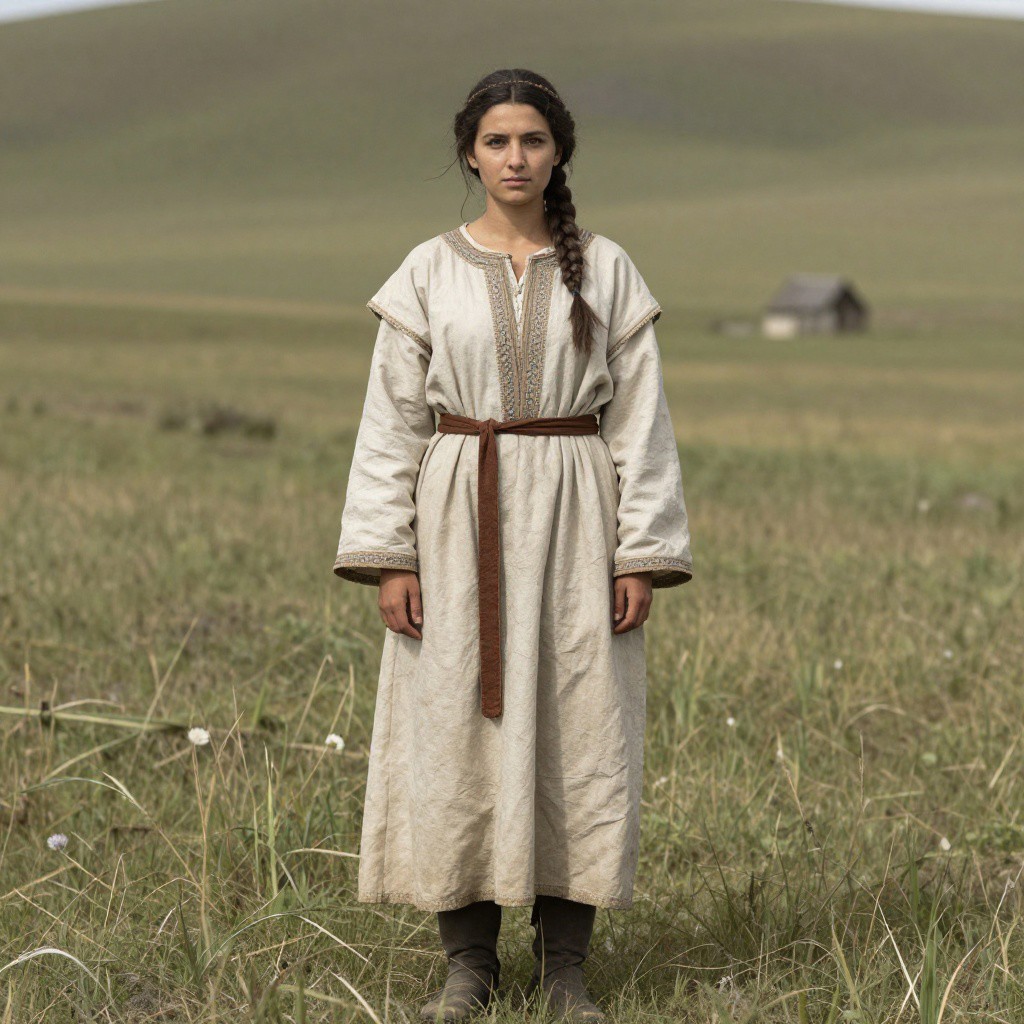
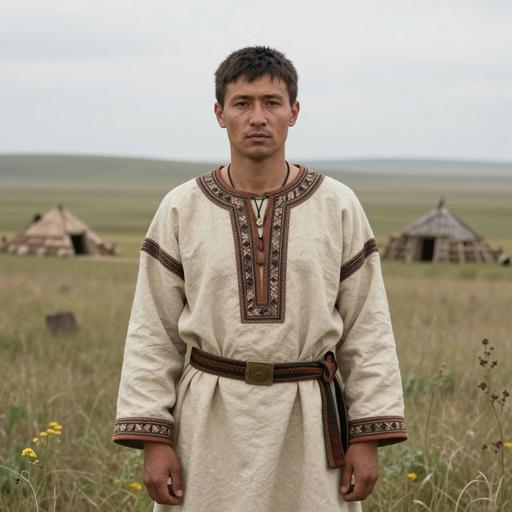
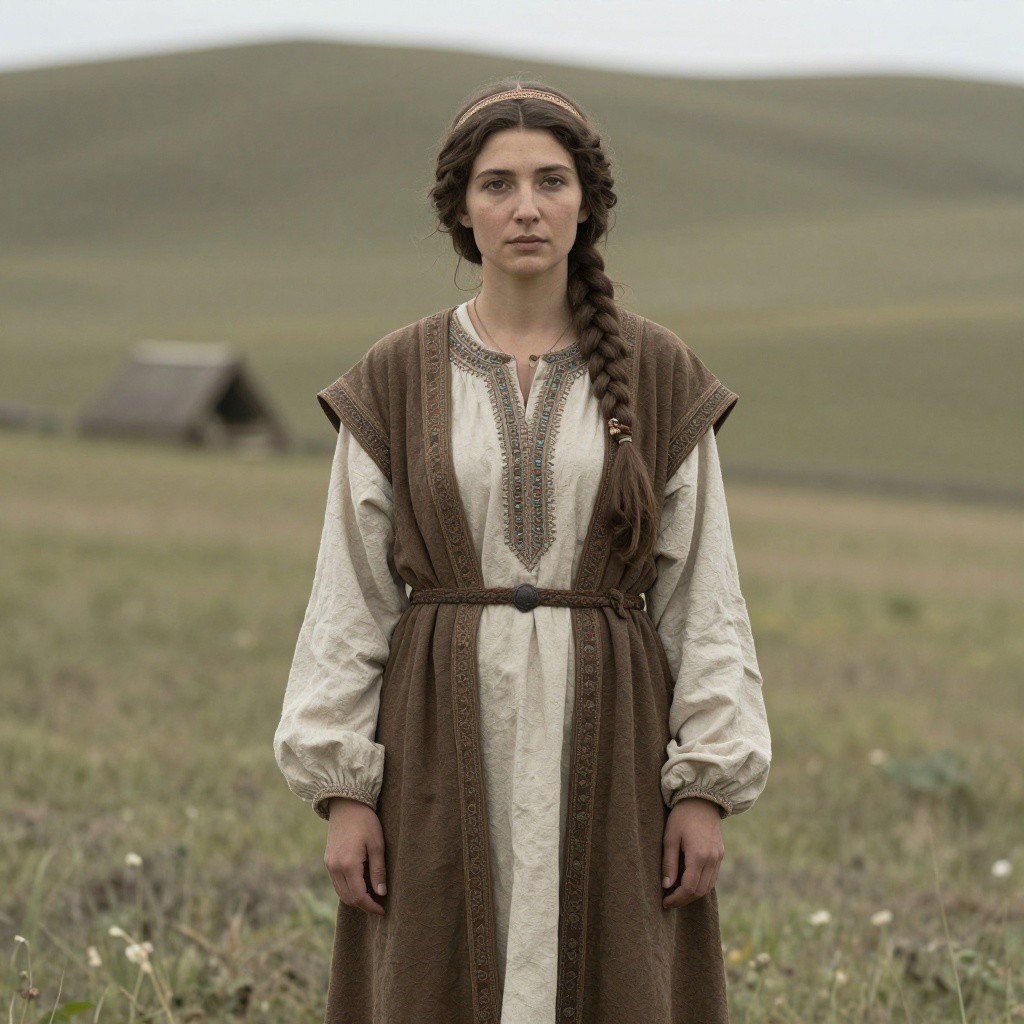
Haplogroup U4 and some of its subclades appear repeatedly in ancient DNA from Mesolithic hunter-gatherers of northern Europe, and in later Neolithic and Bronze Age contexts across the Eurasian north and steppe margins. While U4D3 has not yet been robustly linked to a single archaeological culture, related U4 lineages have been reported in contexts associated with Comb Ceramic/Comb Ware–related hunter-gatherers, later Corded Ware–related and steppe-associated groups (including presence of U4-lineages in some Yamnaya and other Bronze Age assemblages). This suggests that maternal U4 diversity, including U4D3, participated in both long-term continuity of northern forager populations and in the demographic shifts of the Neolithic–Bronze Age transition.
Conclusion
U4D3 is an informative but currently under-characterized mtDNA subclade that sits within the well-established U4 family. It likely arose in northern/eastern Eurasia during the Holocene and reflects the maternal legacy of Mesolithic and post-Mesolithic populations in northern Europe and adjacent Siberia. Further whole-mitochondrial sequencing of modern populations and direct ancient DNA evidence are required to refine its age, internal structure, and precise geographic and cultural associations.
Key Points
- Origins and Evolution
- Subclades
- Geographical Distribution
- Historical and Cultural Significance
- Conclusion