The Story
The journey of mtDNA haplogroup U5B1E
Origins and Evolution
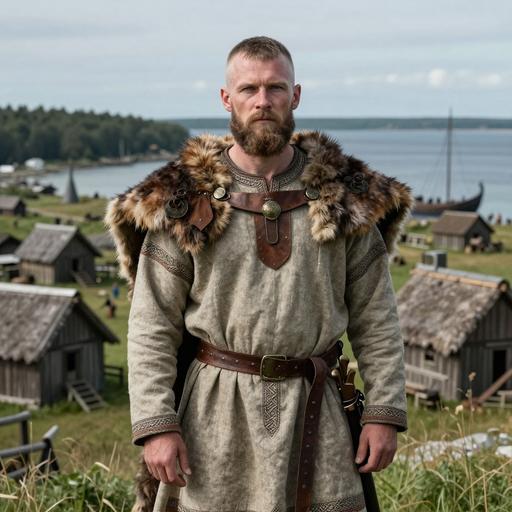
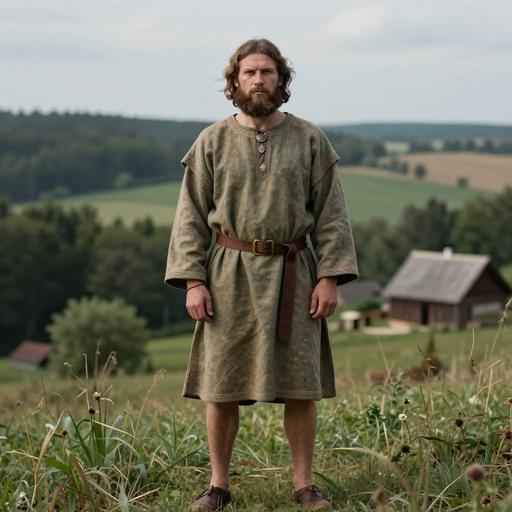
mtDNA haplogroup U5B1E is a derived subclade nested within the broader U5 phylogeny, itself one of the oldest and most characteristic maternal lineages associated with European hunter-gatherer populations. U5 likely arose during the Upper Paleolithic, and the U5b branch diversified after the Last Glacial Maximum. As a downstream lineage of U5B1A1, U5B1E most plausibly represents a local diversification event in Western or northwestern Europe during the late Neolithic to early Bronze Age (several thousand years ago), reflecting continuity of Mesolithic maternal ancestry into later prehistoric communities and limited regional founder effects.
Subclades
U5B1E sits as an intermediate/terminal subclade under U5B1A1 in current phylogenies. At present, published phylogenies and Phylotree entries indicate limited further internal diversification that has been sampled; additional full mitogenome sequencing across Europe may reveal further downstream branches or expand the known geographic spread of existing sub-branches. Because U5B1E is relatively rare in modern reference datasets, its internal substructure remains incompletely characterized.
Geographical Distribution
Empirical and inferential evidence places U5B1E at low-to-moderate frequencies today in parts of Western Europe, with occasional occurrences reported in Iberia, the Atlantic façade of France, the British Isles, and scattered finds in northern and central Europe. The distribution pattern is consistent with a lineage that persisted regionally after Mesolithic hunter-gatherer expansions and was carried into later archaeological cultures by small-scale demographic processes; it is not a high-frequency, continent-wide marker but rather a locus of regional maternal continuity.
Historical and Cultural Significance
While U5 lineages more broadly are diagnostic of European hunter-gatherer ancestry in ancient DNA studies, U5B1E itself appears to reflect localized maternal continuity rather than a major demographic replacement. It may be present at low levels in contexts associated with Neolithic and Bronze Age cultural horizons (including samples connected to Bell Beaker and other late Neolithic / early Bronze Age complexes) where Mesolithic-derived maternal lineages remained part of the maternal gene pool. The presence of U5B1E in modern populations underscores long-term maternal ancestry continuity in parts of Western and northwestern Europe, even as population turnovers and migrations reshaped paternal and autosomal profiles over the Holocene.
Research Status and Limitations
Current understanding of U5B1E is constrained by sparse sampling of complete mitochondrial genomes tied to high-resolution phylogenies and by patchy geographic sampling. Many inferences are therefore provisional; expanded mitogenome sequencing from understudied regions and targeted screening of ancient remains would refine the time depth, geographic origin, and substructure of this clade.
Conclusion
U5B1E is best viewed as a low-frequency, regionally concentrated descendant of the ancient European U5 lineage that highlights continuity of hunter-gatherer maternal ancestry into later prehistoric periods in Western and northwestern Europe. Its rarity and limited substructure in published datasets make it a valuable target for further mitogenomic research to illuminate localized maternal demographic histories in Europe.
Key Points
- Origins and Evolution
- Subclades
- Geographical Distribution
- Historical and Cultural Significance
- Research Status and Limitations