The Story
The journey of Y-DNA haplogroup G2A2B2B1
Origins and Evolution
Y-DNA haplogroup G2A2B2B1 is a terminal subclade within the G2 paternal lineage, part of the broader branch often associated with the spread of early agricultural societies from West Asia into surrounding regions. Its deep ancestry is tied to the Neolithic expansions that reshaped the demographic landscape of Anatolia, the Caucasus, the Levant, and southeastern Europe.
Because this haplogroup sits downstream of G2A2B2B, its most likely origin is within the Anatolian / Near Eastern Neolithic world, with a time depth of roughly 5.5 kya. The lineage is expected to be rare in modern populations, reflecting the fact that many early farming-associated Y lineages were later diluted by demographic expansions in the Bronze and Iron Ages.
Subclades
As a relatively specific and likely rare lineage, G2A2B2B1 may have few or no widely documented downstream branches in publicly referenced datasets. In phylogenetic terms, it should be treated as a fine-resolution descendant of the Neolithic G2 radiation, and its relevance lies in tracing localized paternal continuity rather than broad continental expansion.
Geographical Distribution
Modern occurrences of G2A2B2B1 are expected to be concentrated at low frequency in regions historically linked to early Near Eastern farming and later population interaction zones.
- Caucasus: Georgian, Armenian, and Azerbaijani populations, where G lineages are often retained at low to moderate levels.
- Anatolia: Modern Turkey and adjacent eastern Mediterranean populations, consistent with a Near Eastern source area.
- Southern Europe: Especially Sardinia, Italy, Greece, and nearby populations with strong Neolithic ancestry components.
- The Balkans: Populations with substantial ancient farmer ancestry and later Near Eastern gene flow.
- Levant and selected Jewish communities: Low-frequency presence is plausible due to long-term regional continuity and historical mobility.
- Ancient DNA contexts: Neolithic and Chalcolithic individuals from western Anatolia and early farming sites in Europe.
Historical and Cultural Significance
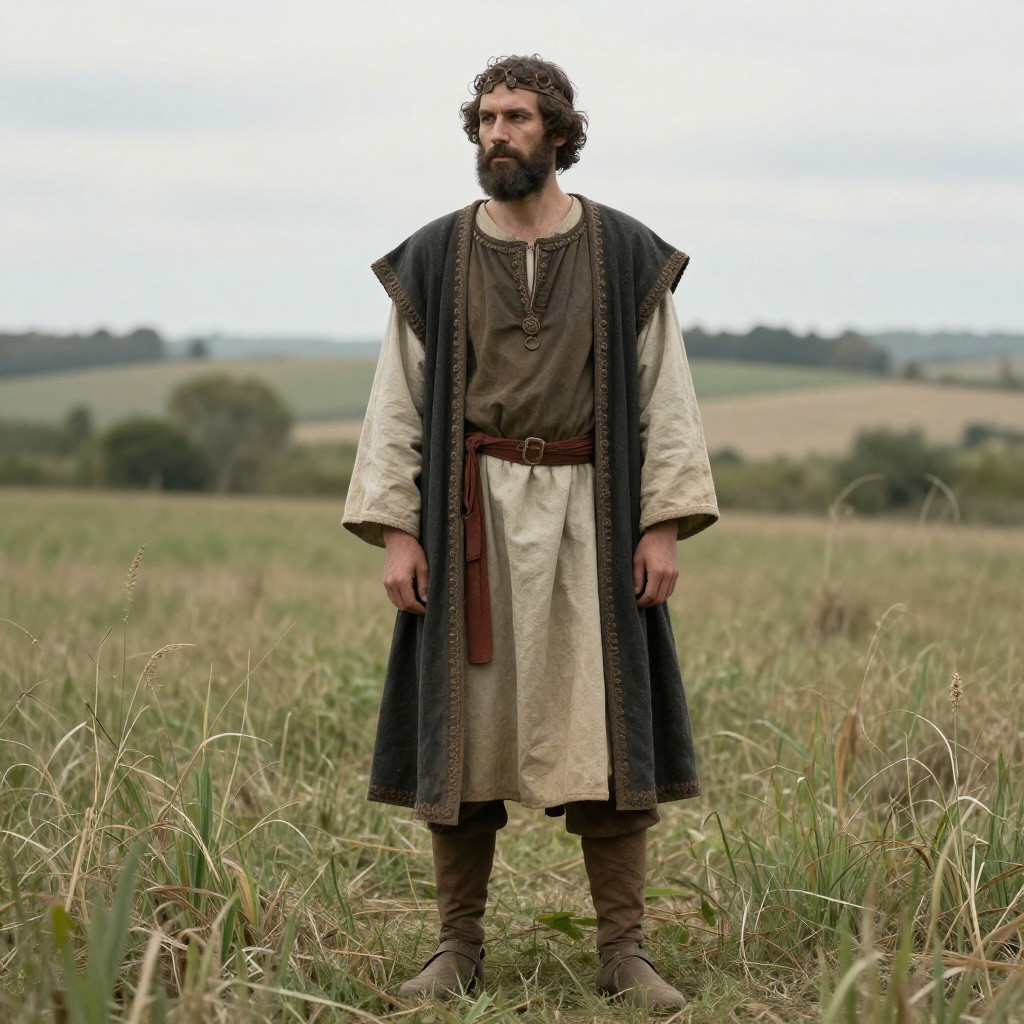
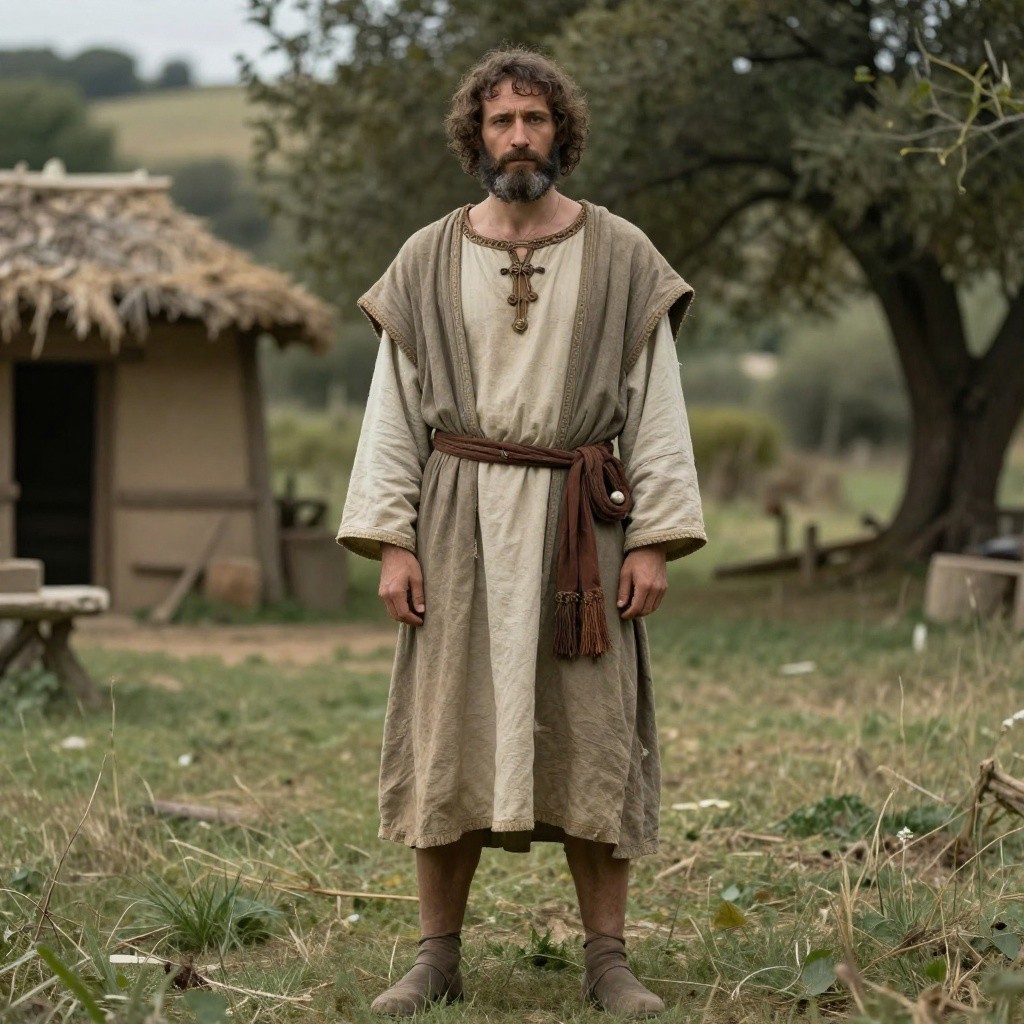
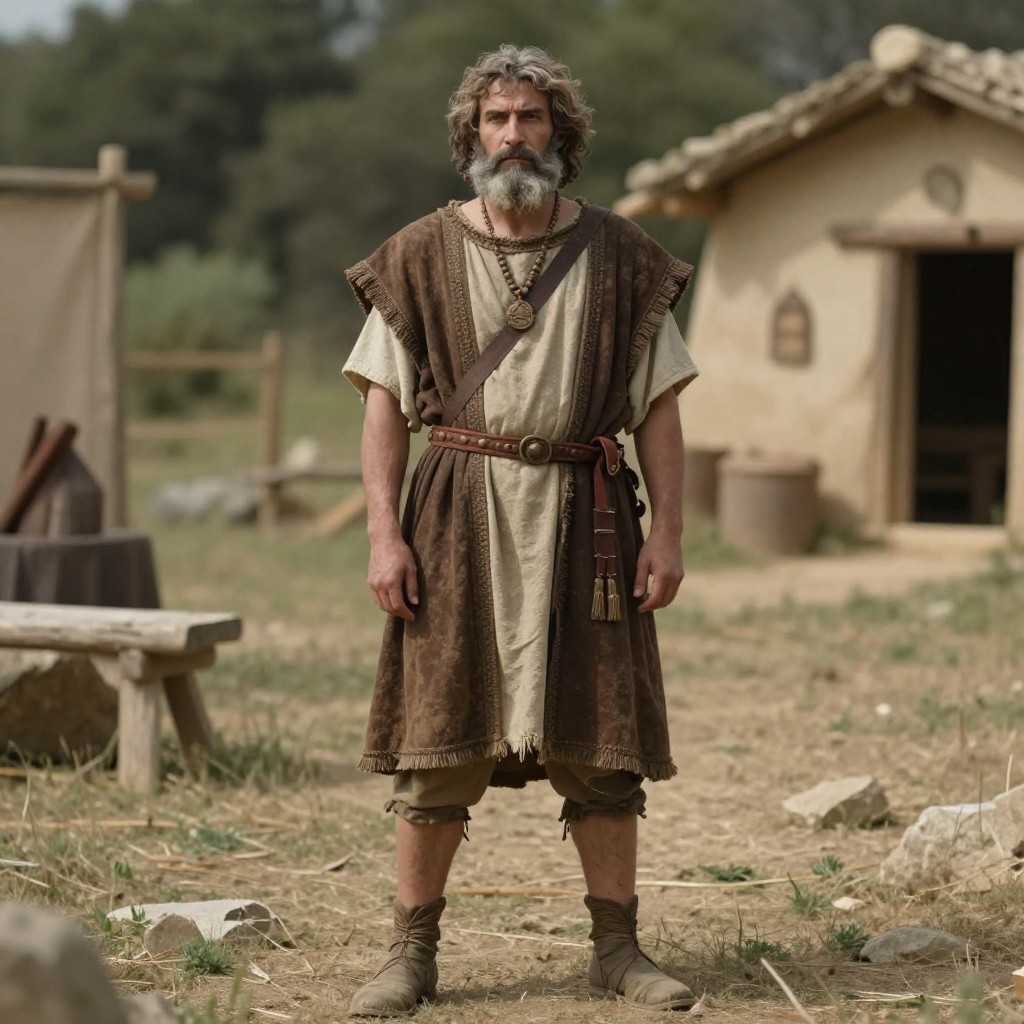
The broader G2 lineage is often discussed in the context of early sedentary farming populations and the demographic transition from hunter-gatherer lifeways to agriculture. While G2A2B2B1 itself is too rare for strong direct attribution to a single archaeological culture, it is best understood as part of the paternal diversity carried by Neolithic Anatolian and Near Eastern farmers.
Its presence in modern populations is significant because it can indicate deep regional continuity or the survival of lineages introduced during the Neolithic. In Europe, such lineages are often found at low frequencies today, having been absorbed into later population layers associated with Bronze Age and Iron Age migrations.
Conclusion
G2A2B2B1 is a rare, geographically informative Y-DNA subclade representing a fine branch of the Neolithic G2 paternal tree. Its likely origin in Anatolia / the Near East and its persistence in the Caucasus, Anatolia, and southern Europe make it valuable for reconstructing early farmer dispersals and the long-term legacy of West Asian demographic expansions.
Key Points
- Origins and Evolution
- Subclades
- Geographical Distribution
- Historical and Cultural Significance
- Conclusion