Menu
Currency
mtDNA Haplogroup • Maternal Lineage

U5B2B1

mtDNA Haplogroup U5B2B1

~7,000 years ago
Northern/Western Europe
1 subclades
Scroll to explore
Chapter I

The Story

The journey of mtDNA haplogroup U5B2B1

Origins and Evolution

mtDNA haplogroup U5 is one of the oldest maternal lineages in Europe, associated with Paleolithic and Mesolithic hunter‑gatherer populations that recolonized Europe after the Last Glacial Maximum (LGM). Subclades of U5, including U5b and its descendants, show diversification during the late Upper Paleolithic and Mesolithic, with many lineages surviving regionally into the Neolithic and later periods. U5B2B1 is a derived subclade nested within U5B2 (and here indicated as emerging from the intermediate U5B2BA node). Given that U5b lineages commonly expanded in post‑glacial and Mesolithic contexts, U5B2B1 is plausibly a post‑LGM/Neolithic regional branch that became established in parts of northern and western Europe.

Subclades

U5B2B1 sits downstream of U5B2 and of the intermediate node U5B2BA (as provided). At present, U5B2B1 is treated as an intermediate/terminal branch in Phylotree and related databases; detailed internal substructure (child clades) is poorly characterized in published literature, reflecting limited sampling and the need for targeted sequencing of complete mitogenomes from modern and ancient individuals to resolve finer branching.

Geographical Distribution

Modern and ancient DNA evidence for broader U5 lineages shows strong representation in northern, Atlantic and central parts of Europe. For U5B2B1 specifically, reports are sparse and often come from regional surveys or unpublished databases; therefore its distribution should be considered localized and typically low-to-moderate frequency where reported. Based on the phylogenetic position and the geographic pattern of related U5b clades, reasonable inferences are:

  • Concentration in Northern and Northwestern Europe (Scandinavia, British Isles), with presence also in Baltic and parts of Central Europe.
  • Occasional detection in ancient remains from Mesolithic–Bronze Age contexts is possible but requires confirmation through high‑quality mitogenome data.

Historical and Cultural Significance

Because U5 and many of its subclades are hallmarks of European hunter‑gatherer maternal ancestry, lineages like U5B2B1 provide insight into maternal continuity and population interactions across major prehistoric transitions (Mesolithic → Neolithic → Bronze Age). Possible cultural associations include persistence in hunter‑gatherer groups, survival through the Neolithic farming expansions as minority maternal lineages, and potential occurrence in later archaeological cultures (e.g., Bell Beaker or Corded Ware) as these cultures assimilated local maternal ancestry. However, explicit associations of U5B2B1 with any single archaeological culture remain tentative until more direct ancient DNA matches are published.

Conclusion

U5B2B1 is best interpreted as a regional offshoot of the ancient European U5 maternal radiation. Its precise age, internal diversity, and geographic limits remain incompletely characterized due to limited published mitogenomes assigned to this node. Resolving its history will require deeper sampling of complete mitochondrial genomes from modern populations across northern and western Europe and targeted screening of well‑dated ancient remains from Mesolithic to Bronze Age sites. Until then, U5B2B1 should be viewed as an informative but understudied marker of maternal ancestry within the broader U5 paleo‑European framework.

Key Points

  • Origins and Evolution
  • Subclades
  • Geographical Distribution
  • Historical and Cultural Significance
  • Conclusion
Chapter II

Tree & Relationships

Phylogenetic context and subclades

Evolution Path

This haplogroup's evolutionary journey from its earliest ancestor to the present.

Steps Haplogroup Age Estimate Archaeology Era Time Passed Immediate Descendants Tested Modern Descendants Ancient Connections
1 U5B2B1 Current ~7,000 years ago 🌾 Neolithic 7,000 years 1 9 0
2 U5B2BA 5 55 0
3 U5B2B ~10,000 years ago 🌾 Neolithic 10,000 years 1 70 114
4 U5B2 ~12,000 years ago 🌾 Neolithic 12,000 years 5 290 0
5 U5b ~22,000 years ago 🏹 Mesolithic 22,000 years 3 495 140
6 U5A'B 2 1,052 0
7 U5 ~35,000 years ago 🦴 Paleolithic 35,000 years 1 1,052 142
8 U ~46,000 years ago 🦴 Paleolithic 46,000 years 5 4,314 110
9 R ~55,000 years ago 🦴 Paleolithic 55,000 years 17 17,854 57
10 NA 1 17,854 0
11 N ~60,000 years ago 🦴 Paleolithic 60,000 years 16 20,371 13
12 L3 ~70,000 years ago 🦴 Paleolithic 70,000 years 7 23,542 6
13 L3'4 2 23,581 0
14 L3'4'6 2 23,584 0
15 L2'3'4'6 2 24,475 0
16 L2'3'4'5'6'7 2 24,488 0
17 L1'2'3'4'5'6'7 2 24,903 0
18 L ~160,000 years ago 🦴 Paleolithic 160,000 years 2 25,205 5

Siblings (4)

Other branches from the same parent haplogroup

Chapter III

Where in the World

Geographic distribution and modern presence

Place of Origin

Northern/Western Europe

Modern Distribution

The populations where mtDNA haplogroup U5B2B1 is found include:

  1. Scandinavian populations (Norway, Sweden, Denmark)
  2. Populations of the British Isles (England, Scotland, Ireland)
  3. Baltic populations (Estonia, Latvia, Lithuania)
  4. Central European populations (Germany, Poland)
  5. Ancient European hunter‑gatherer and mixed farmer remains (sporadic reports; requires confirmation)
CHAPTER IV

When in Time

Your haplogroup in the context of human history

~10k years ago

Neolithic Revolution

Agriculture begins, settled communities form

~7k years ago

Haplogroup U5B2B1

Your mtDNA haplogroup emerged in Northern/Western Europe

Northern/Western Europe
~5k years ago

Bronze Age

Metalworking, writing, and early civilizations

~3k years ago

Iron Age

Iron tools, expanded trade networks

~2k years ago

Classical Antiquity

Greek and Roman civilizations flourish

Present

Present Day

Modern era

Your Haplogroup
Historical Era
Chapter IV-B

Linked Cultures

Ancient cultures associated with mtDNA haplogroup U5B2B1

Cultural Heritage

These ancient cultures have been linked to haplogroup U5B2B1 based on matching ancient DNA samples from archaeological excavations. The presence of this haplogroup in these cultures provides insights into the migrations and population movements of populations carrying this haplogroup.

Dutch Bronze Age Globular Amphora Iboussieres Culture Italian Hunter-Gatherer Rochedane Culture Sicilian Epigravettian Ukrainian Neolithic Villabruna
Culture assignments are based on archaeological context of ancient DNA samples and may represent regional associations during specific time periods.
Chapter V

Sample Catalog

7 direct carriers and 14 subclade carriers of haplogroup U5B2B1

21 / 21 samples
Portrait Sample Country Era Date Culture mtDNA Match
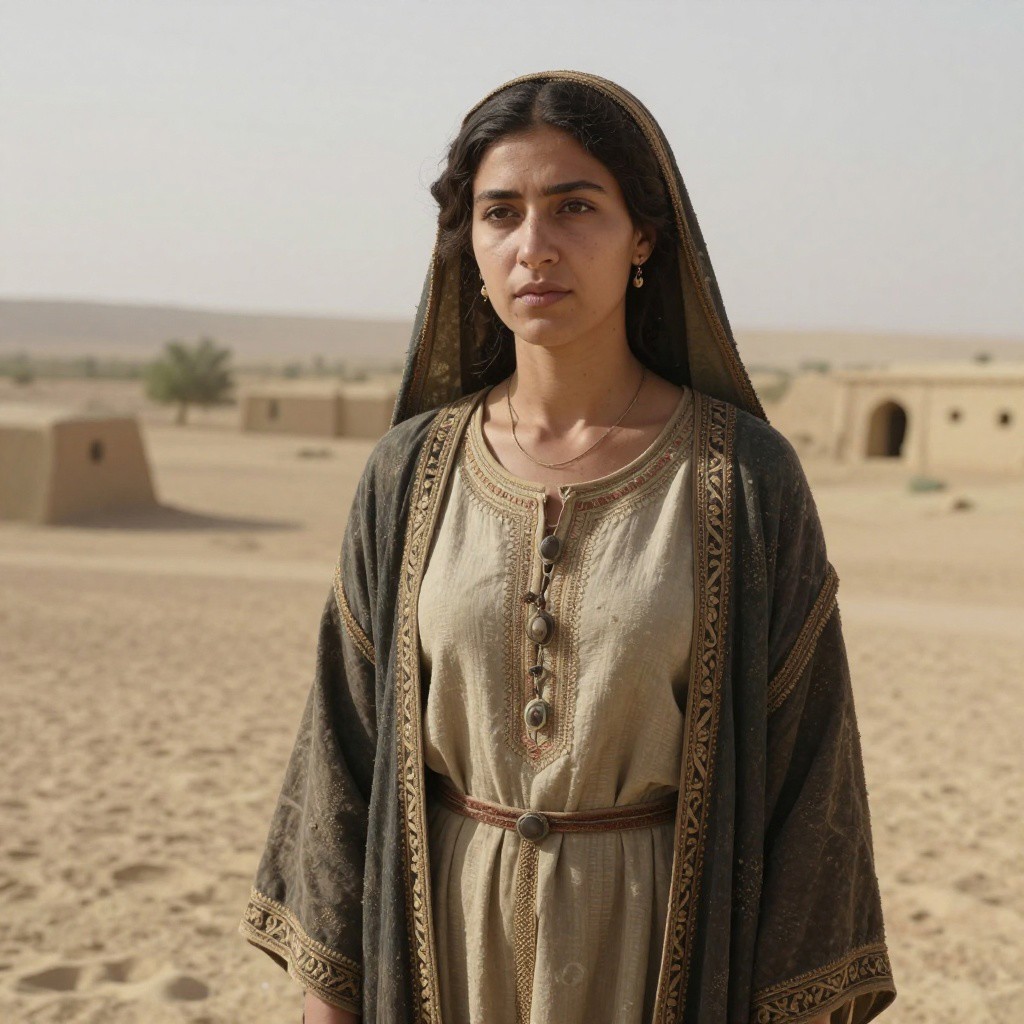
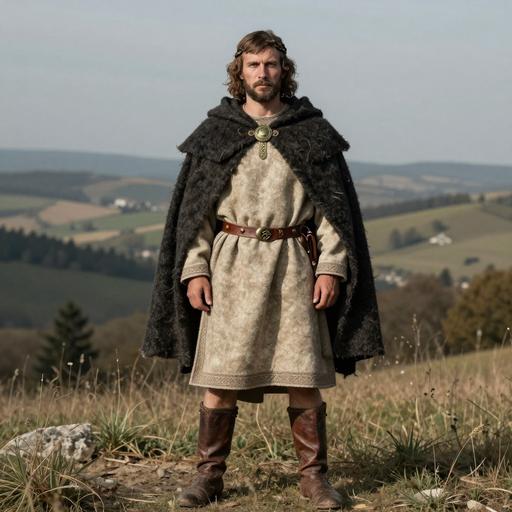
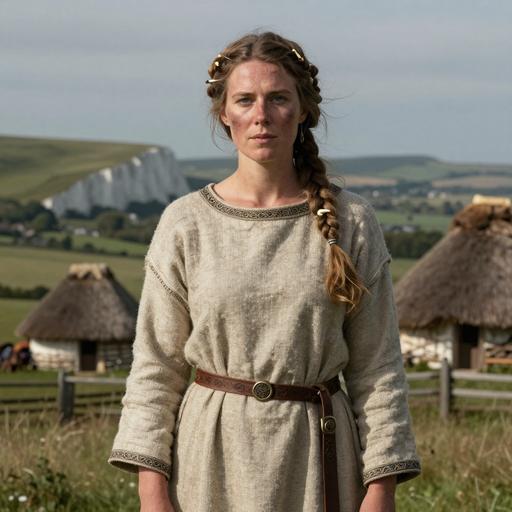
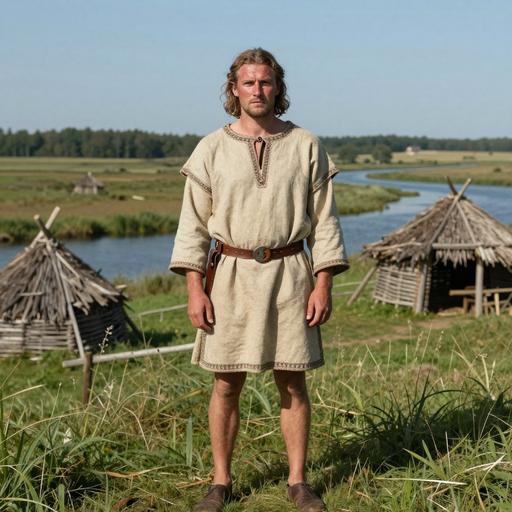
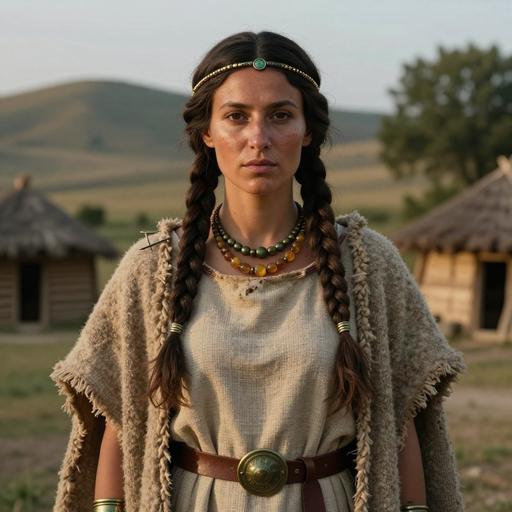
Portrait of ancient individual I11972 from Netherlands, dated 1501 BCE - 1319 BCE
I11972
Netherlands Middle Bronze Age Netherlands 1501 BCE - 1319 BCE Dutch Bronze Age U5b2b1 Direct
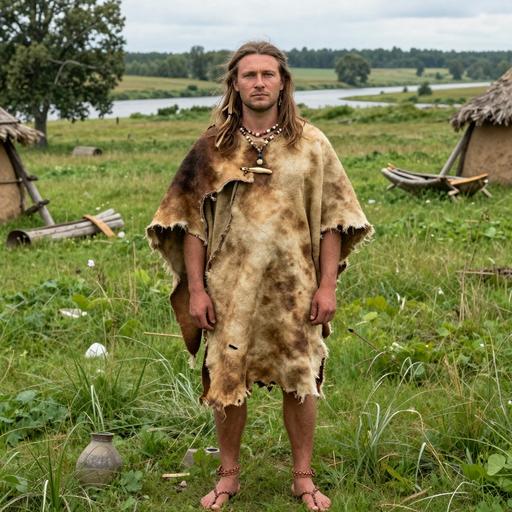
Portrait of ancient individual I2403 from Poland, dated 2868 BCE - 2577 BCE
I2403
Poland Globular Amphora Culture, Poland 2868 BCE - 2577 BCE Globular Amphora U5b2b1 Direct
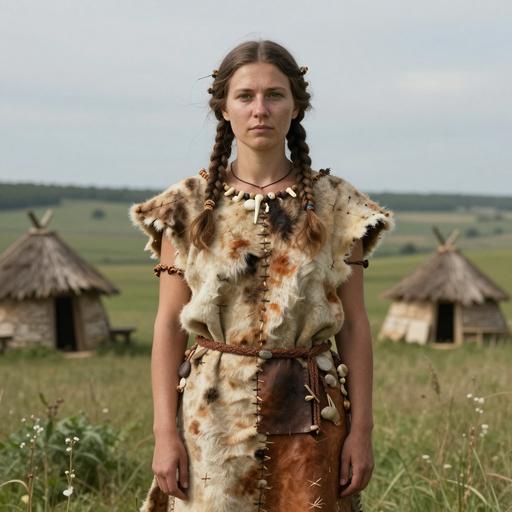
Portrait of ancient individual I5888 from Ukraine, dated 5500 BCE - 4500 BCE
I5888
Ukraine Neolithic Ukraine 5500 BCE - 4500 BCE Ukrainian Neolithic U5b2b1 Direct
Portrait of ancient individual I5888 from Ukraine, dated 5500 BCE - 4500 BCE
I5888
Ukraine Neolithic Ukraine 5500 BCE - 4500 BCE Ukrainian Neolithic U5b2b1 Direct
Portrait of ancient individual I1736 from Ukraine, dated 6242 BCE - 6072 BCE
I1736
Ukraine Neolithic Ukraine 6242 BCE - 6072 BCE Ukrainian Neolithic U5b2b1 Direct
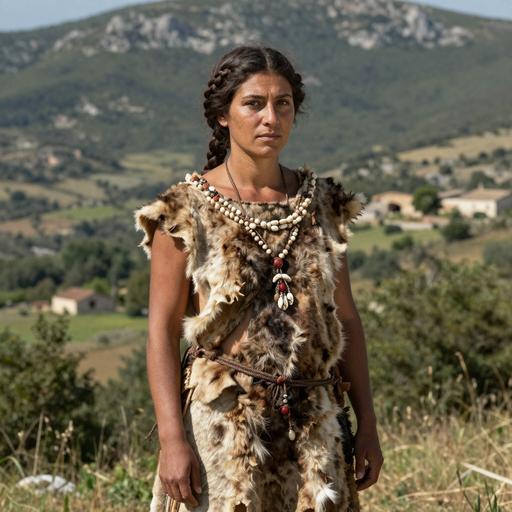
Portrait of ancient individual Continenza from Italy, dated 9300 BCE - 8550 BCE
Continenza
Italy Southern Italy Hunter-Gatherer 9300 BCE - 8550 BCE Italian Hunter-Gatherer U5b2b1 Direct
Portrait of ancient individual Continenza from Italy, dated 9300 BCE - 8550 BCE
Continenza
Italy Epigravettian Paleolithic 9300 BCE - 8550 BCE U5b2b1 Direct
Portrait of ancient individual I17327 from Czech Republic, dated 400 BCE - 200 BCE
I17327
Czech Republic Iron Age La Tène Culture, Czech Republic 400 BCE - 200 BCE La Tène Culture U5b2b1a1 Downstream
Portrait of ancient individual I14381 from United Kingdom, dated 727 BCE - 400 BCE
I14381
United Kingdom Early Iron Age England 727 BCE - 400 BCE Early British Iron Age U5b2b1a1 Downstream
Portrait of ancient individual I13792 from Czech Republic, dated 1300 BCE - 800 BCE
I13792
Czech Republic Late Bronze Age Knoviz Culture, Czech Republic 1300 BCE - 800 BCE Knoviz Culture U5b2b1a1 Downstream
Chapter VI

Carrier Distribution Map

Geographic distribution of 21 ancient DNA samples (direct and subclade carriers of U5B2B1)

Direct carrier Subclade carrier
Time Period Filter
All Time Periods
Showing all samples
Chapter VII

Temporal Distribution

Distribution of carriers across archaeological periods

Chapter VIII

Geographic Distribution

Distribution by country of origin (direct and subclade carriers shown by default)

Chapter IX

Country × Era Distribution

Cross-tabulation of carrier countries and archaeological periods (direct and subclade carriers shown by default)

Data

Data & Provenance

Source information and data quality

Last Updated 2026-06-14
Confidence Score 50/100
Coverage Low
Data Source

We use the latest phylotree for MTDNA haplogroup classification and data.