The Story
The journey of mtDNA haplogroup U5B2B4
Origins and Evolution
mtDNA haplogroup U5B2B4 is a subclade of the broader U5 phylogeny, a maternal lineage with deep roots in European prehistory associated primarily with Mesolithic hunter-gatherer populations. While the basal haplogroup U5 dates back to the Upper Paleolithic (tens of thousands of years ago), downstream subclades such as U5b2 and its derivatives show diversification events concentrated later, through the Late Glacial, Mesolithic and into the Neolithic and Bronze Age. U5B2B4, as an intermediate/derived branch beneath U5B2BA, appears to represent a relatively recent localized diversification (tentatively on the order of a few thousand years ago), though precise calibration awaits additional complete mitochondrial genomes and ancient DNA (aDNA) samples.
Subclades
At present U5B2B4 is recognized as a terminal or intermediate branch beneath U5B2BA in phylogenetic compilations (e.g., Phylotree-based nomenclature). There are no widely reported, well-characterized downstream subclades of U5B2B4 published in large-sample surveys; if additional mutations associated with U5B2B4 are found in modern or ancient mitogenomes, they would define further internal branches. Because it sits within the U5b2 cluster, U5B2B4 should be considered part of the broader U5b diversification that persisted and restructured across Europe during the Mesolithic to Bronze Age transitions.
Geographical Distribution
Empirical and inferred distribution: modern and ancient observations of U5 and U5b2 lineages are concentrated in Europe — especially Western, Northern and parts of Eastern Europe — and at low frequency in adjacent regions. For U5B2B4 specifically, available data are sparse, so geographic presence is inferred from close relatives (U5b2 and U5B2BA) and from the known persistence of U5 maternal lineages among Mesolithic-descended and admixed later populations. Consequently, U5B2B4 is likely to be found at low-to-moderate frequency in populations of Northern and Western Europe, with rare occurrences elsewhere due to later migrations or recent gene flow.
Historical and Cultural Significance
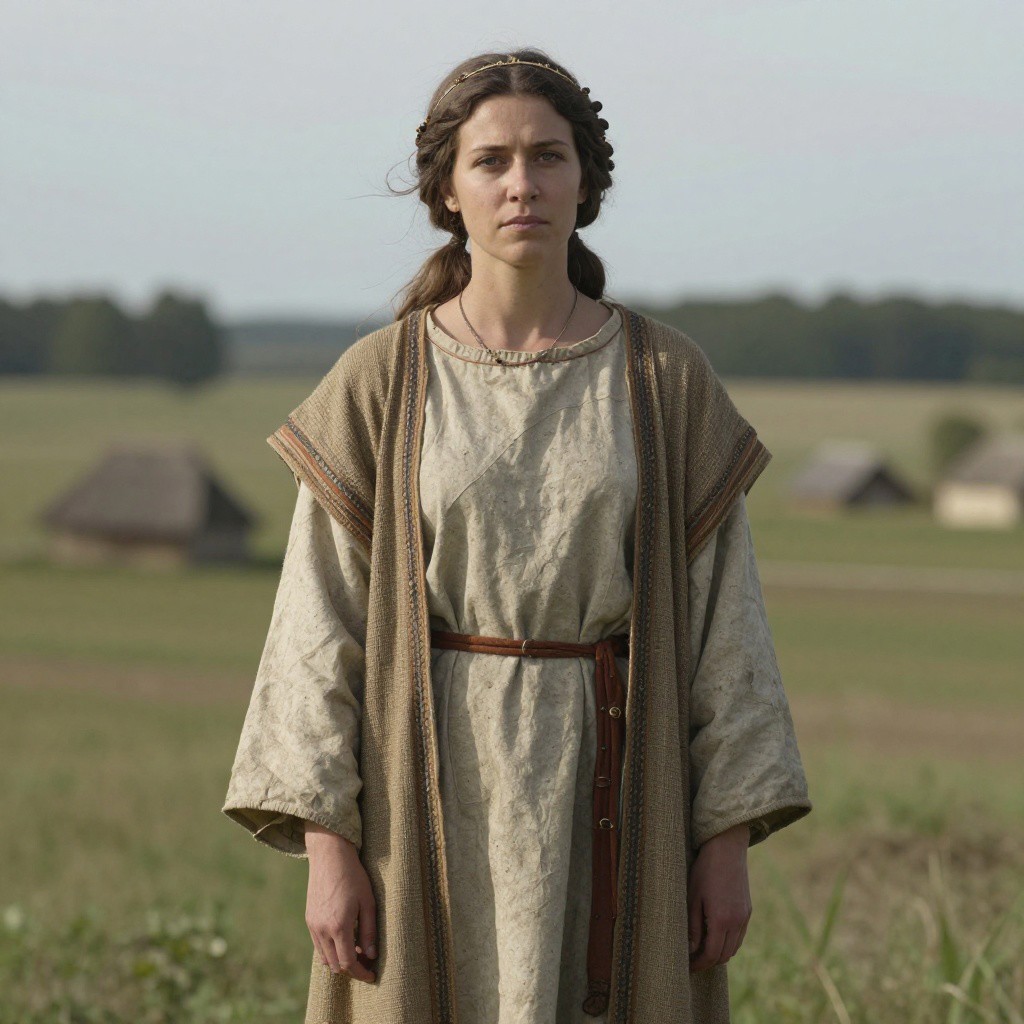
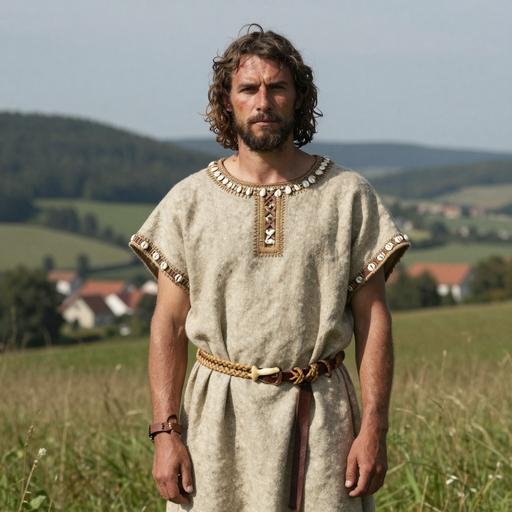
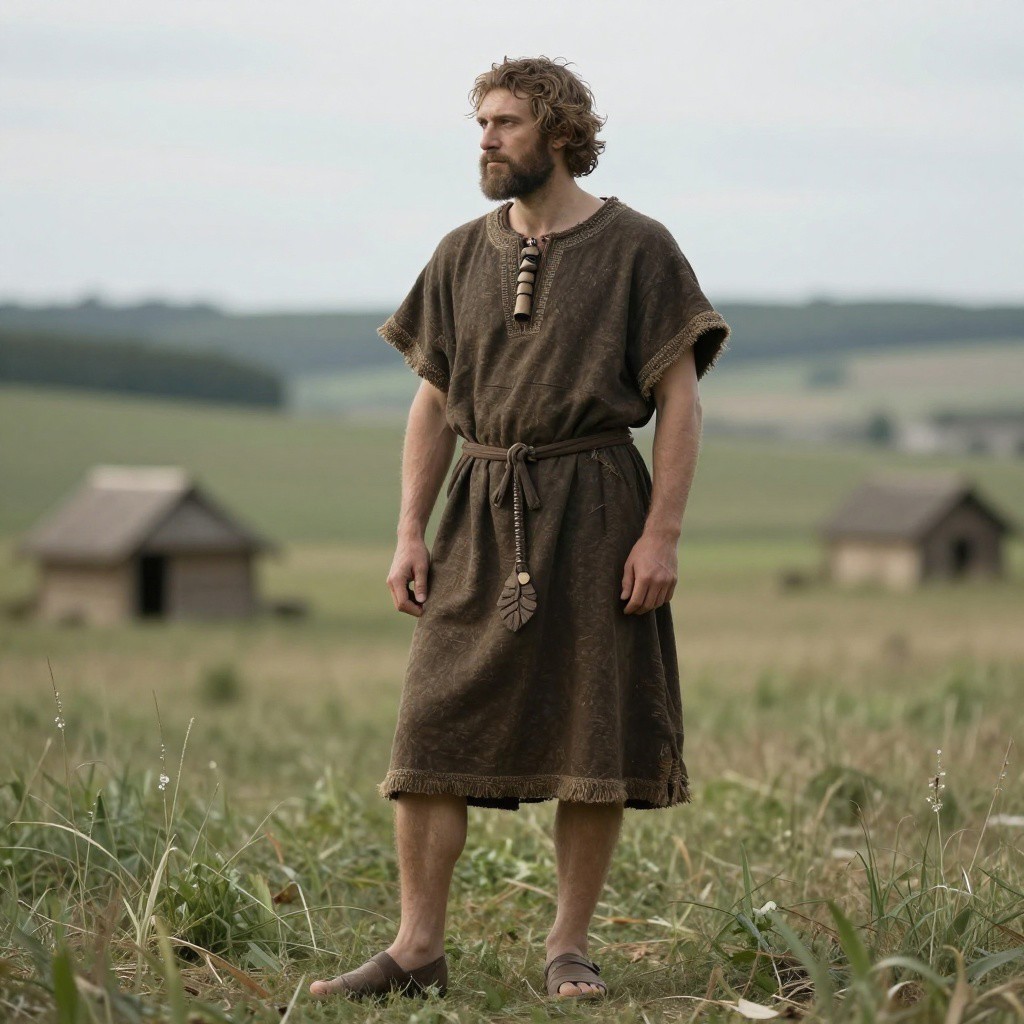
U5 lineages are strongly associated with European hunter-gatherers of the Mesolithic and earlier. As a derivative clade, U5B2B4 plausibly reflects the survival and local differentiation of hunter-gatherer maternal ancestry through the Neolithic and into the Bronze Age. Archaeogenetic studies repeatedly show continuities and reintroductions of U5 lineages across major cultural transitions (for example, persistence in local forager-descended groups and admixture into farming and steppe-influenced communities). Therefore, U5B2B4 may mark maternal continuity in particular regions or micro-populations that experienced limited demographic replacement.
However, because U5B2B4 is currently rare and under-characterized, strong claims about direct associations with specific archaeological cultures or demographic events should be considered provisional. Targeted sequencing of both modern populations and ancient skeletal remains from well-dated contexts would be the appropriate method to resolve its cultural and temporal associations.
Conclusion
U5B2B4 is a rare, regionally informative mtDNA subclade nested within the ancient European U5 lineage. It likely represents a localized diversification of maternal ancestry tied to the long-term persistence of hunter-gatherer-derived lineages in parts of Europe, but precise origin timing, distribution, and archaeological associations remain to be clarified by additional whole-mitogenome data and aDNA sampling. As such, U5B2B4 is useful for fine-scale maternal lineage tracing in Europe but should be interpreted with caution until larger datasets confirm its patterns.
Key Points
- Origins and Evolution
- Subclades
- Geographical Distribution
- Historical and Cultural Significance
- Conclusion