The Story
The journey of mtDNA haplogroup U5B2B5
Origins and Evolution
mtDNA haplogroup U5B2B5 is a downstream subclade of the U5B2B branch and is nested under the parent node U5B2BA. The broader U5 haplogroup is one of the oldest European maternal lineages, associated with Upper Paleolithic and Mesolithic hunter-gatherer populations. Derived subclades of U5 (including U5b and its downstream branches) commonly show patterns of post-glacial re-expansion and regional differentiation across Europe. Given its placement as a fine-scale terminal subclade, U5B2B5 most likely arose after the major U5b2 diversification, probably during the Late Neolithic to Bronze Age interval in Northern/Central Europe, although exact dating requires more calibrated molecular-clock analyses and additional ancient DNA samples.
Subclades
As a terminal or near-terminal designation (U5B2B5), this clade currently represents a narrowly defined lineage with few reported downstream branches in public phylogenies. Because it is an intermediate/derived node beneath U5B2BA, U5B2B5 may have very limited internal subdivision in available datasets; any future sublineages would be identified by additional private mutations discovered in population or ancient-DNA sequencing projects. Continued sampling of modern populations and ancient remains is necessary to reveal whether U5B2B5 contains further distinct subclades.
Geographical Distribution
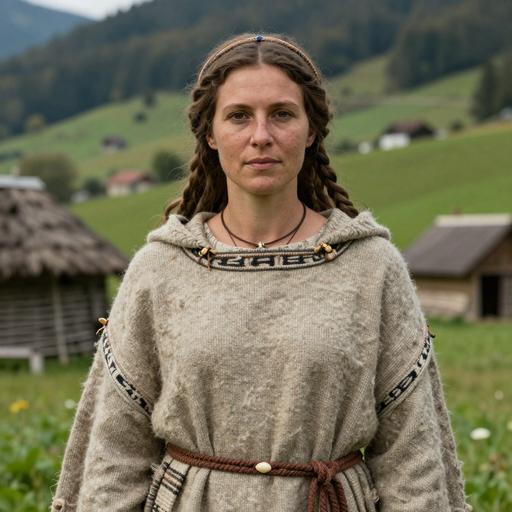
Observations to date (modern and sporadic ancient detections) suggest U5B2B5 is concentrated in Northern and parts of Central/Eastern Europe, with occasional occurrences reported in Western Europe and the British Isles. The clade appears rare overall, consistent with many fine-scale U5 sublineages that survived as low-frequency relics of older European maternal diversity. Because sampling density for rare mtDNA subclades is uneven, apparent absences in some regions may reflect limited sequencing rather than true absence.
Historical and Cultural Significance
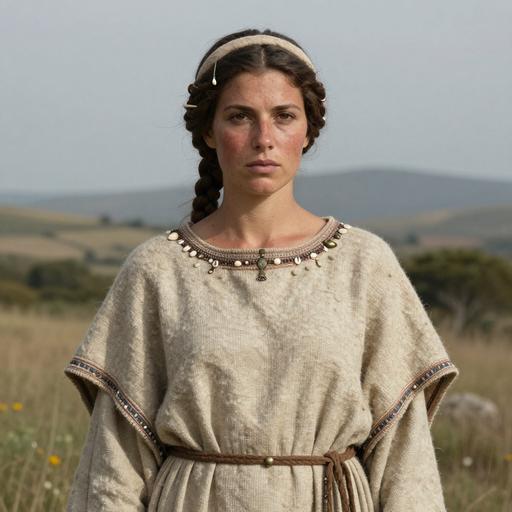
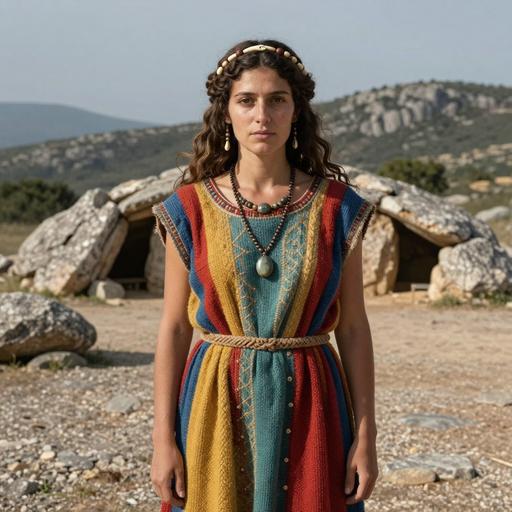
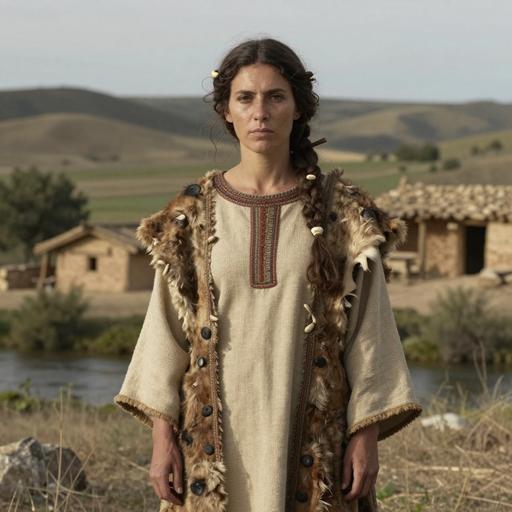
U5 and its subclades are closely tied to Europe's pre-Neolithic and postglacial demographic history. While the major U5 expansions are linked to Mesolithic hunter-gatherer populations, many derived lineages persisted and were assimilated into later archaeological cultures. For U5B2B5 specifically, the current evidence is too sparse to tie it exclusively to any single archaeological culture, but its inferred timeframe and regional distribution are compatible with continuity from Mesolithic/Migration-era populations into later cultural horizons such as Corded Ware or Bronze Age communities in Northern/Central Europe. Its rarity means it is more useful as a marker of localized maternal continuity or founder events than as a marker of broad migrations.
Practical Notes for Researchers and Genealogists
- U5B2B5 is best interpreted within the context of the full mtDNA sequence or high-resolution control-region + coding-region testing; single control-region matches are often insufficient to place a sample confidently at this fine level.
- Comparison with ancient DNA datasets from Scandinavia, the Baltic, and Central Europe can help clarify whether U5B2B5 represents a long-standing regional lineage or a more recent derived branch.
- When encountered in commercial or academic testing, U5B2B5 should prompt targeted searches for closely related sequences in regional databases and ancient-DNA repositories.
Conclusion
U5B2B5 is a rare, regionally informative maternal lineage within the ancient European U5 clade. Its limited current reporting suggests a Northern/Central European origin in the late Holocene, but robust conclusions about its age and full geographic spread require additional high-quality modern and ancient mtDNA sequences. As sequencing efforts expand, U5B2B5 may help illuminate fine-scale maternal continuity and local demographic events in Europe.
Key Points
- Origins and Evolution
- Subclades
- Geographical Distribution
- Historical and Cultural Significance
- Practical Notes for Researchers and Genealogists