The Story
The journey of mtDNA haplogroup U5B2B3
Origins and Evolution
Haplogroup U5B2B3 is a downstream branch within the broader U5 maternal clade, which is one of the oldest and most characteristic mtDNA lineages of European hunter‑gatherers. The parent clade U5 (and especially U5b sublineages) arose during or shortly after the Last Glacial Maximum and diversified across Europe during the early Holocene. Based on the phylogenetic position under U5B2BA and comparisons with age estimates for related U5b subclades, U5B2B3 is plausibly a Holocene (post‑glacial) lineage, arising roughly in the Early to Mid Holocene (several thousand years after the LGM) as populations re‑expanded and diversified regionally.
Subclades (if applicable)
As currently recorded in phylogenetic compilations, U5B2B3 appears to be a relatively specific downstream branch with limited documented downstream diversity in public databases and literature. Its direct parent, U5B2BA, serves as an intermediate node linking earlier U5b diversity to a set of more regionally restricted lineages. Because U5B2B3 is not extensively sampled in population surveys, additional lower‑level subclades may exist but remain undocumented until broader sequencing of modern and ancient mitogenomes is performed.
Geographical Distribution
The distribution of U5B2B3 is inferred from the known distribution of U5b2‑related lineages and available ancient DNA results. U5B2B3 is most likely concentrated in northern and western Europe, with occurrences expected or observed at low to moderate frequency in:
- Scandinavia and adjacent North Sea regions
- Baltic populations and parts of north‑central Europe
- Scattered individuals in western European populations (e.g., British Isles, Iberia) due to ancient continuity and later mobility
Sporadic low‑frequency occurrences may be found further east or in Near Eastern populations via later gene flow and in modern diasporas outside Europe.
Historical and Cultural Significance
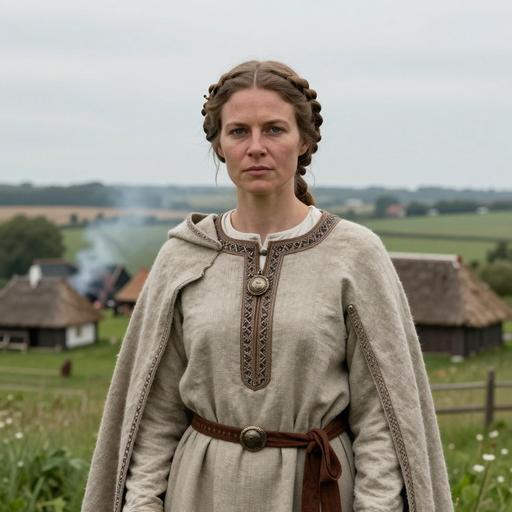
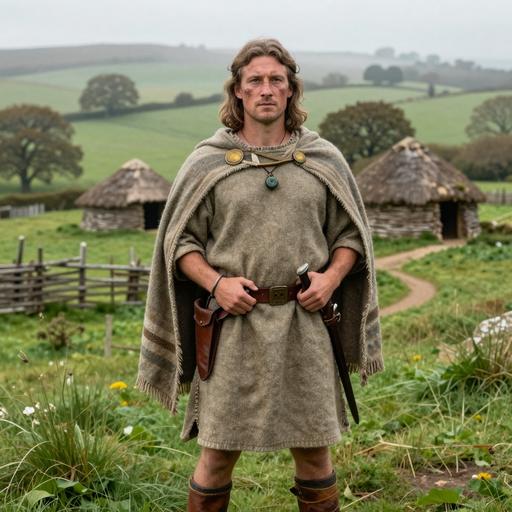
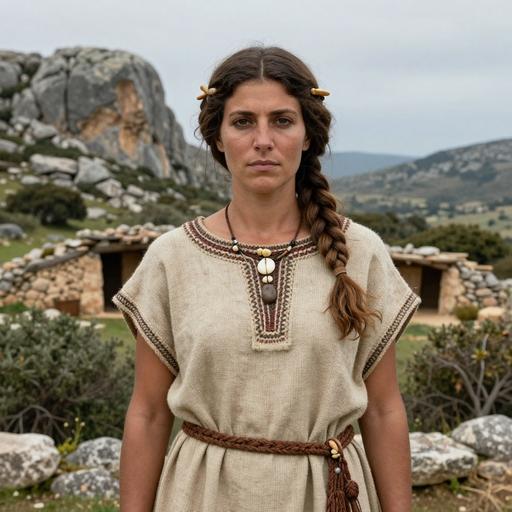
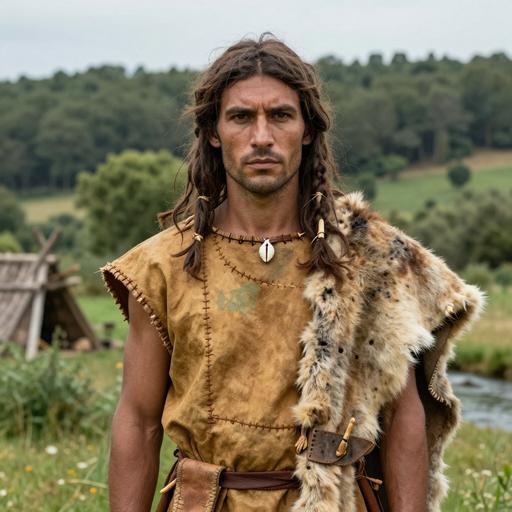
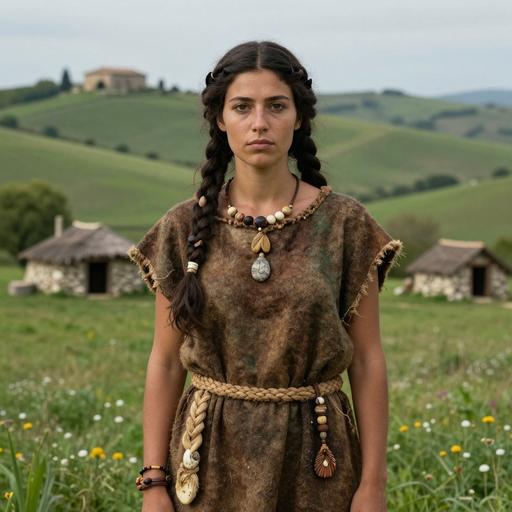
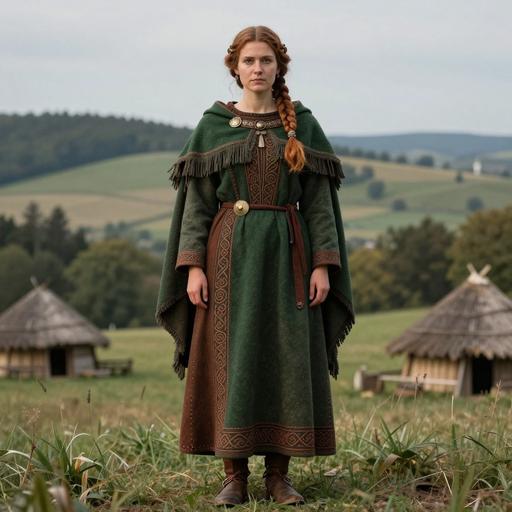
Lineages derived from U5b are strongly associated with Mesolithic hunter‑gatherer populations in Europe and represent maternal continuity through the early Holocene. While Mesolithic groups carried high proportions of U5 lineages, subsequent Neolithic farmer expansions introduced other mitochondrial haplogroups (e.g., H, J, T), producing regional admixture patterns. As a result, U5B2B3 likely reflects continuity of indigenous maternal ancestry in regions where hunter‑gatherer women contributed to post‑glacial settlement and where their lineages persisted through the Neolithic and later periods. Occasional presence in individuals associated with archaeological complexes such as Corded Ware or Bell Beaker would be consistent with admixture between indigenous maternal stocks and incoming cultural complexes, but U5B2B3 should be considered primarily part of the indigenous Mesolithic/early Holocene maternal substrate.
Conclusion
U5B2B3 is a narrowly defined mtDNA subclade within the ancient European U5 family, best interpreted as a post‑glacial regional lineage rooted in northern and western Europe. Its apparent rarity in modern reference datasets underscores the need for expanded mitogenome sequencing of both modern and ancient samples to better define its age, substructure, and precise geographic history. Until more data are available, inferences about U5B2B3 should be made cautiously and in the context of broader U5b population history.
Key Points
- Origins and Evolution
- Subclades (if applicable)
- Geographical Distribution
- Historical and Cultural Significance
- Conclusion