Menu
Currency
mtDNA Haplogroup • Maternal Lineage

U5B2B2

mtDNA Haplogroup U5B2B2

~7,000 years ago
Northern / Western Europe
0 subclades
Scroll to explore
Chapter I

The Story

The journey of mtDNA haplogroup U5B2B2

Origins and Evolution

mtDNA haplogroup U5B2B2 is a downstream subclade within the U5 branch, itself one of the oldest and most characteristic maternal lineages of Upper Paleolithic and Mesolithic Europe. U5 lineages in general trace deep roots in Europe dating back tens of thousands of years; more derived subclades such as U5b and their further subdivisions (including U5B2B2) are typically younger and reflect regional diversification after the Last Glacial Maximum. Precise coalescence dating for U5B2B2 is uncertain because of its rarity and limited publicly available complete mitogenomes, but phylogenetic position and comparison with related subclades suggest an origin in the late Mesolithic to early Neolithic era (on the order of several thousand years ago).

Because U5B2B2 is an intermediate/derived node in the U5 phylogeny, its identification often depends on high-resolution mitogenome sequencing rather than only HVR1/HVR2 motifs. As more complete ancient and modern mitogenomes are reported, estimates of its age and geographic origin may be refined.

Subclades (if applicable)

As currently described in available phylogenies, U5B2B2 is itself a derived terminal or near-terminal clade in the U5b2 lineage. There are few well-documented downstream subclades publicly annotated for U5B2B2, and further internal structure may be revealed with expanded mitogenome sampling. Its parent clade (U5B2BA/U5b2 variants) links it to other European U5b lineages; relationships with nearby subgroups should be treated as provisional until supported by more complete sequence data.

Geographical Distribution

Observed occurrences and reasonable inferences indicate that U5B2B2 is present at low frequencies across parts of northern and western Europe, with sporadic reports or plausible presence in the Baltic region, Scandinavia, the British Isles and adjacent continental populations. This pattern mirrors the distribution of many U5b variants that were common among Mesolithic hunter-gatherers and persisted at variable frequencies in later prehistoric and modern European groups. Because U5B2B2 appears to be relatively rare, geographic frequency maps are coarse and confidence in region-level prevalence is limited without more targeted sampling.

Historical and Cultural Significance

Haplogroup U5 and its subclades are strongly associated with Paleolithic and Mesolithic hunter-gatherer populations of Europe. For U5B2B2 specifically, the most plausible cultural associations are with late hunter-gatherer groups and with later prehistoric populations into which those hunter-gatherer maternal lines introgressed (for example, some Neolithic and Bronze Age contexts). U5 subclades frequently appear in ancient DNA studies of Mesolithic remains; rarer derived subclades like U5B2B2 can provide useful markers for tracing local maternal continuity, micro-regional ancestry, and female-mediated survival of Mesolithic lineages through the Neolithic and later cultural transitions.

Conclusion

U5B2B2 is a rare, regionally informative maternal lineage within the wider European U5 family. Current knowledge is limited by few documented complete mitogenomes; therefore, statements about its precise age, substructure, and detailed geographic distribution should remain cautious. Additional high-resolution sequencing of both modern populations and ancient remains (especially from northern and western Europe) will be necessary to clarify its phylogenetic depth, demographic history, and archaeological associations. For now, U5B2B2 is best interpreted as part of the legacy of European hunter-gatherer maternal ancestry that persisted into later prehistoric periods.

Key Points

  • Origins and Evolution
  • Subclades (if applicable)
  • Geographical Distribution
  • Historical and Cultural Significance
  • Conclusion
Chapter II

Tree & Relationships

Phylogenetic context and subclades

Evolution Path

This haplogroup's evolutionary journey from its earliest ancestor to the present.

Steps Haplogroup Age Estimate Archaeology Era Time Passed Immediate Descendants Tested Modern Descendants Ancient Connections
1 U5B2B2 Current ~7,000 years ago 🌾 Neolithic 7,000 years 0 7 0
2 U5B2BA 5 55 0
3 U5B2B ~10,000 years ago 🌾 Neolithic 10,000 years 1 70 114
4 U5B2 ~12,000 years ago 🌾 Neolithic 12,000 years 5 290 0
5 U5b ~22,000 years ago 🏹 Mesolithic 22,000 years 3 495 140
6 U5A'B 2 1,052 0
7 U5 ~35,000 years ago 🦴 Paleolithic 35,000 years 1 1,052 142
8 U ~46,000 years ago 🦴 Paleolithic 46,000 years 5 4,314 110
9 R ~55,000 years ago 🦴 Paleolithic 55,000 years 17 17,854 57
10 NA 1 17,854 0
11 N ~60,000 years ago 🦴 Paleolithic 60,000 years 16 20,371 13
12 L3 ~70,000 years ago 🦴 Paleolithic 70,000 years 7 23,542 6
13 L3'4 2 23,581 0
14 L3'4'6 2 23,584 0
15 L2'3'4'6 2 24,475 0
16 L2'3'4'5'6'7 2 24,488 0
17 L1'2'3'4'5'6'7 2 24,903 0
18 L ~160,000 years ago 🦴 Paleolithic 160,000 years 2 25,205 5

Subclades (0)

Terminal branch - no known subclades

Siblings (4)

Other branches from the same parent haplogroup

Chapter III

Where in the World

Geographic distribution and modern presence

Place of Origin

Northern / Western Europe

Modern Distribution

The populations where mtDNA haplogroup U5B2B2 is found include:

  1. Scandinavian populations (modern and ancient)
  2. Baltic region populations (Latvia, Lithuania, Estonia)
  3. British Isles (especially northwestern Britain and Ireland)
  4. Northwestern continental Europe (e.g., coastal France, Netherlands)
  5. Ancient Mesolithic and some Neolithic remains in northern/ western Europe (requiring further characterization)
CHAPTER IV

When in Time

Your haplogroup in the context of human history

~10k years ago

Neolithic Revolution

Agriculture begins, settled communities form

~7k years ago

Haplogroup U5B2B2

Your mtDNA haplogroup emerged in Northern / Western Europe

Northern / Western Europe
~5k years ago

Bronze Age

Metalworking, writing, and early civilizations

~3k years ago

Iron Age

Iron tools, expanded trade networks

~2k years ago

Classical Antiquity

Greek and Roman civilizations flourish

Present

Present Day

Modern era

Your Haplogroup
Historical Era
Chapter IV-B

Linked Cultures

Ancient cultures associated with mtDNA haplogroup U5B2B2

Cultural Heritage

These ancient cultures have been linked to haplogroup U5B2B2 based on matching ancient DNA samples from archaeological excavations. The presence of this haplogroup in these cultures provides insights into the migrations and population movements of populations carrying this haplogroup.

Al-Andalus Blatterhohle British Chalcolithic British Middle Bronze Age La Tène Culture Sicilian Epigravettian Swiss Neolithic Unetice Wartberg
Culture assignments are based on archaeological context of ancient DNA samples and may represent regional associations during specific time periods.
Chapter V

Sample Catalog

14 direct carriers of haplogroup U5B2B2

14 / 14 samples
Portrait Sample Country Era Date Culture mtDNA Match
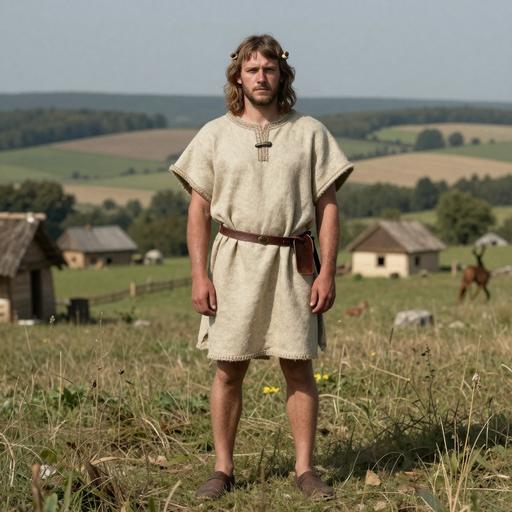
Portrait of ancient individual I17317 from Czech Republic, dated 400 BCE - 200 BCE
I17317
Czech Republic Iron Age La Tène Culture, Czech Republic 400 BCE - 200 BCE La Tène Culture U5b2b2 Direct
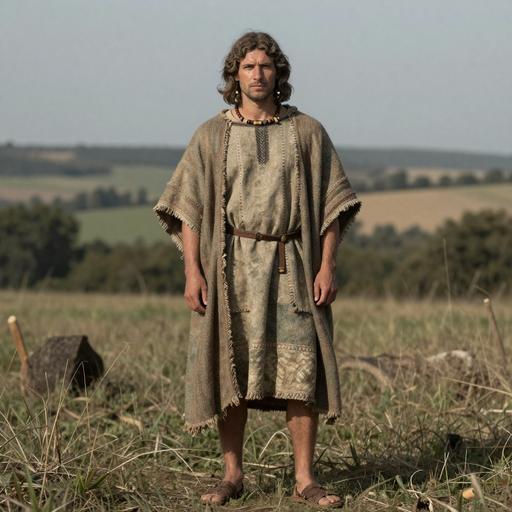
Portrait of ancient individual I12516 from Spain, dated 899 CE - 1147 CE
I12516
Spain Islamic Period Spain 899 CE - 1147 CE Al-Andalus U5b2b2 Direct
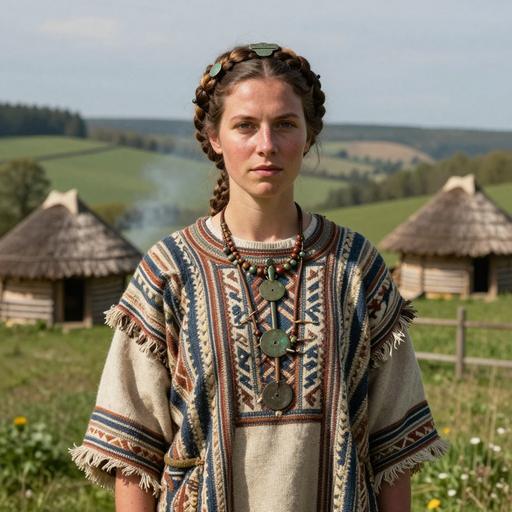
Portrait of ancient individual I16454 from United Kingdom, dated 1381 BCE - 1056 BCE
I16454
United Kingdom Middle Bronze Age England 1381 BCE - 1056 BCE British Middle Bronze Age U5b2b2 Direct
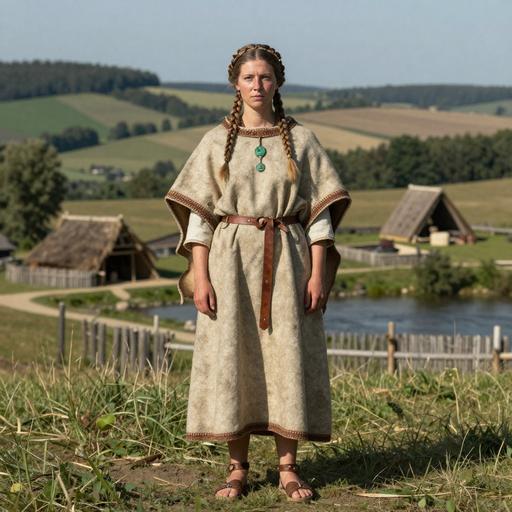
Portrait of ancient individual LEU024 from Germany, dated 2200 BCE - 1700 BCE
LEU024
Germany Early Bronze Age Unetice Culture, Germany 2200 BCE - 1700 BCE Unetice U5b2b2 Direct
Portrait of ancient individual LEU026 from Germany, dated 2200 BCE - 1700 BCE
LEU026
Germany Early Bronze Age Unetice Culture, Germany 2200 BCE - 1700 BCE Unetice U5b2b2 Direct
Portrait of ancient individual LEU030 from Germany, dated 2200 BCE - 1700 BCE
LEU030
Germany Early Bronze Age Unetice Culture, Germany 2200 BCE - 1700 BCE Unetice U5b2b2 Direct
Portrait of ancient individual LEU051 from Germany, dated 2200 BCE - 1700 BCE
LEU051
Germany Early Bronze Age Unetice Culture, Germany 2200 BCE - 1700 BCE Unetice U5b2b2 Direct
Portrait of ancient individual LEU052 from Germany, dated 2200 BCE - 1700 BCE
LEU052
Germany Early Bronze Age Unetice Culture, Germany 2200 BCE - 1700 BCE Unetice U5b2b2 Direct
Portrait of ancient individual LEU055 from Germany, dated 2200 BCE - 1700 BCE
LEU055
Germany Early Bronze Age Unetice Culture, Germany 2200 BCE - 1700 BCE Unetice U5b2b2 Direct
Portrait of ancient individual LEU014 from Germany, dated 2201 BCE - 2038 BCE
LEU014
Germany Early Bronze Age Unetice Culture, Germany 2201 BCE - 2038 BCE Unetice U5b2b2 Direct
Chapter VI

Carrier Distribution Map

Geographic distribution of 14 ancient DNA samples (direct and subclade carriers of U5B2B2)

Direct carrier
Time Period Filter
All Time Periods
Showing all samples
Chapter VII

Temporal Distribution

Distribution of carriers across archaeological periods

Chapter VIII

Geographic Distribution

Distribution by country of origin (direct and subclade carriers shown by default)

Chapter IX

Country × Era Distribution

Cross-tabulation of carrier countries and archaeological periods (direct and subclade carriers shown by default)

Data

Data & Provenance

Source information and data quality

Last Updated 2026-06-14
Confidence Score 50/100
Coverage Low
Data Source

We use the latest phylotree for MTDNA haplogroup classification and data.